
Search Results for: menstrual cycle

GYN Problems

Understanding PMS vs. PMDD

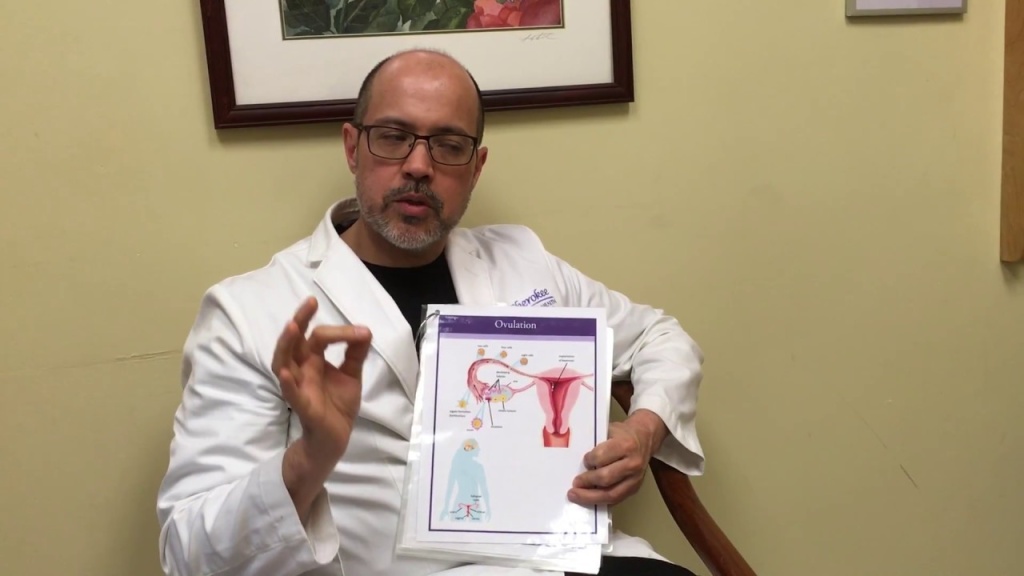
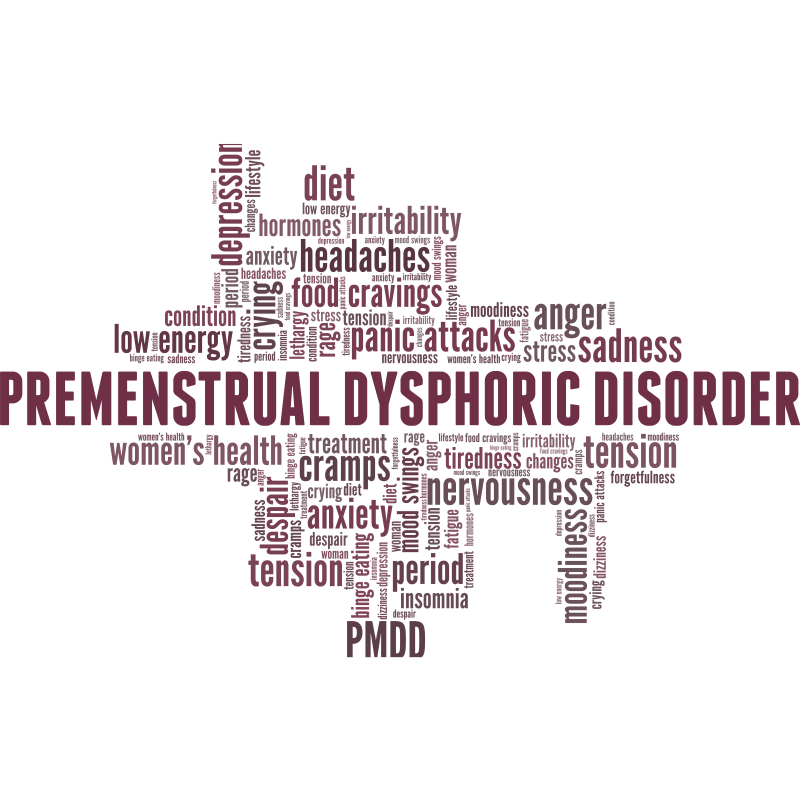
Premenstrual Syndrome (PMS) and Premenstrual Dysphoric Disorder (PMDD) are two conditions that significantly impact many women during their reproductive years. While they share similarities, they differ in severity and impact. Dr. Robert Barrett, an OB/GYN with Cherokee Women’s Health Specialists, provides insightful perspectives on these conditions and offers comprehensive treatment options to help women manage their symptoms effectively. PMS: Common and Manageable Premenstrual Syndrome (PMS) affects a large portion of the female population. PMS encompasses a range of physical, emotional, and behavioral symptoms that occur in the luteal phase of the menstrual cycle, typically in the two weeks leading up to menstruation. Common symptoms of PMS include: Physical Symptoms: Bloating, breast tenderness, fatigue, headaches, and changes in appetite. Emotional Symptoms: Mood swings, irritability, anxiety, and mild depression. Behavioral Symptoms: Changes in sleep patterns, difficulty concentrating, and social withdrawal. While PMS can be bothersome, it is generally manageable with lifestyle adjustments and over-the-counter remedies. A balanced diet, regular exercise, and stress management are important in alleviating PMS symptoms. Medications such as non-steroidal anti-inflammatory drugs (NSAIDs) can also help relieve physical discomfort and over-the-counter pain relievers to manage headaches and cramps. PMDD: A More Severe Condition Premenstrual Dysphoric Disorder (PMDD) is a more severe and debilitating condition compared to PMS. PMDD affects approximately 3-8% of women of reproductive age and is characterized by intense and debilitating symptoms that can significantly impair daily functioning. Key symptoms of PMDD include: Severe Emotional Symptoms: Extreme mood swings, profound irritability, severe anxiety, and intense depression. Severe Physical Symptoms: Persistent fatigue, joint or muscle pain, and significant changes in appetite or sleep patterns. Functional Impairment: Difficulty performing daily activities, disrupted relationships, and challenges in maintaining professional responsibilities. PMDD is believed to be related to hormonal fluctuations, and its symptoms are typically more severe than those of PMS. PMDD often requires a more aggressive treatment approach due to its impact on a woman’s quality of life. Treatment Options Dr. Robert Barrett offers a multifaceted approach to managing PMS and PMDD. His treatment strategies are tailored to each patient’s needs and may include: Lifestyle Modifications: For both PMS and PMDD, lifestyle changes are important. These include adopting a well-balanced diet rich in complex carbohydrates, reducing caffeine and alcohol intake, engaging in regular physical exercise, and practicing stress reduction techniques such as yoga or meditation. Medications: For PMS: Over-the-counter NSAIDs, such as ibuprofen, can help alleviate physical symptoms like cramps and headaches. Diuretics can also reduce bloating and breast tenderness. For PMDD: Selective serotonin reuptake inhibitors (SSRIs) may be prescribed to address severe mood-related symptoms. SSRIs are effective in managing depression and anxiety associated with PMDD. Hormonal treatments, such as birth control pills or hormone therapy, may also be considered to regulate hormonal fluctuations. Additionally, antidepressants or anti-anxiety medications may be prescribed for more severe cases. Nutritional and Supplement Support: Dietary supplements may help manage symptoms. For instance, calcium and magnesium supplements can reduce bloating and mood swings. Vitamin B6 and evening primrose oil are also considered for their potential benefits in alleviating PMS and PMDD symptoms. Cognitive Behavioral Therapy (CBT): For women with PMDD, cognitive behavioral therapy may be recommended to help manage severe mood disturbances and improve coping strategies. Alternative Therapies: Alternative therapies such as acupuncture or herbal supplements may also help, though he emphasizes the importance of consulting with a healthcare professional before starting any new treatment. We Can Help Both PMS and PMDD can significantly impact a woman’s well-being, but understanding the distinctions between these conditions is crucial for effective management. A comprehensive approach to treatment encompasses lifestyle changes, medications, nutritional support, and therapy options to help women navigate and alleviate their symptoms. If you’re struggling with PMS or PMDD, call us today at 770.720.7733 or simply schedule an appointment online.

GYN Problems Patient Stories

Emma’s Emotional Journey Through a Hysterectomy

A hysterectomy would soon shake Emma’s world. At 38, Emma had always prided herself on her strength and resilience. She had built a successful career, maintained close relationships with family and friends, and enjoyed an active lifestyle. However, over the past few years, Emma had begun to notice subtle changes in her body—changes that she initially brushed off as part of getting older. It started with irregular periods. At first, they were just a bit heavier than usual, but over time, they became increasingly painful and unpredictable. Emma found herself canceling plans and missing work due to the intense cramping and fatigue that accompanied her menstrual cycles. She also started experiencing bloating and a constant pressure in her lower abdomen, which made it difficult to exercise or even sit comfortably. Despite these symptoms, Emma hesitated to seek medical help. She thought she could manage the discomfort with over-the-counter painkillers and by adjusting her lifestyle. But when she started experiencing prolonged bleeding that lasted for weeks, she knew something was seriously wrong. Seeking Help: The Road to Diagnosis Emma finally made an appointment with her OB/GYN, Dr. James Haley of Cherokee Women’s Health, who listened carefully as she described her symptoms. He performed a pelvic exam and ordered an ultrasound to get a clearer picture of what might be happening inside her body. The ultrasound revealed that Emma had multiple large fibroids—noncancerous growths in the uterus that were likely causing her symptoms. While fibroids are common and often manageable, the size and location of Emma’s fibroids were particularly concerning. Dr. Haley explained that the fibroids were pressing against her bladder and other organs, causing the bloating and pressure she had been feeling. More concerning, however, was the heavy bleeding, which was leading to anemia and leaving Emma constantly exhausted. After discussing treatment options, including medication and less invasive procedures, Dr. Haley gently suggested that a hysterectomy—a surgical removal of the uterus—might be the best option for Emma. The news hit her like a ton of bricks. The idea of losing her uterus was overwhelming, not just physically but emotionally. The Decision: Wrestling with the Emotional Impact Emma had always envisioned herself as a mother one day, and although she wasn’t actively planning to have children at the time, the thought of permanently losing that possibility was devastating. She spent days, even weeks, grappling with the decision. She talked to friends, family, and Dr. Haley, trying to weigh the pros and cons. The physical relief that a hysterectomy could bring was undeniable—it would put an end to the painful, life-disrupting symptoms she’d been living with. But the emotional toll of such a major surgery, particularly the impact on her identity and future plans, was profound. Emma cried herself to sleep many nights, feeling a sense of loss that she couldn’t fully articulate. The Surgery and Recovery: A New Reality Ultimately, after much soul-searching, Emma decided to go ahead with the hysterectomy. The surgery was scheduled, and as the date approached, she tried to focus on the potential positives: no more pain, no more heavy bleeding, and a chance to regain control of her life. The surgery went smoothly, but the recovery was challenging. Physically, Emma had to rest for several weeks, gradually regaining her strength. The pain from the surgery itself was manageable, but it was the emotional recovery that took the longest. She often found herself feeling empty and grieving the loss of her fertility, even though she knew the decision had been the right one. Emma sought counseling to help process her feelings, and slowly, she began to find peace with her new reality. She started to focus on what she could do now that she hadn’t been able to do before—like hiking without pain, working without worrying about bleeding through her clothes, and simply enjoying life without the constant shadow of discomfort. Finding Peace and Moving Forward As the months passed, Emma began to feel more like herself again, but with a new understanding of her own strength. The hysterectomy had changed her life in ways she hadn’t anticipated, forcing her to confront deep-seated fears and emotions. But it also gave her a renewed appreciation for her health and well-being. Emma still feels a pang of sadness when she thinks about the future she once imagined, but she’s also grateful for the life she has now—one where she’s free from the pain and uncertainty that once dominated her days. Her journey through the hysterectomy was not easy, but it ultimately led her to a place of acceptance and empowerment.

GYN Problems Patient Stories

Struggling With PID at 23 Years Old

Jessica never expected to be diagnosed with PID at just 23 years old. She was living her life to the fullest, balancing her job, studies, and social life. Like many women her age, she was focused on building her future, and health concerns were the last thing on her mind. However, her world took an unexpected turn when she started experiencing persistent lower abdominal pain, irregular periods, and unusual vaginal discharge. At first, Jessica dismissed the symptoms, attributing them to stress or an approaching menstrual cycle. But as the pain worsened and began to interfere with her daily activities, she knew something wasn’t right. After a particularly difficult week where the pain became unbearable and she started running a low-grade fever, Jessica decided to visit her local clinic. Initial Visit and the Frustration of Uncertainty During her visit, Jessica described her symptoms and a physical examination was performed. The provider suspected that it might be a urinary tract infection (UTI) or possibly something related to her menstrual cycle. Jessica was given a urine test and prescribed antibiotics for a presumed UTI. However, the antibiotics didn’t alleviate her symptoms, and she felt even more concerned when the pain and discharge persisted. Frustrated and worried, Jessica made an appointment with Cherokee Women’s Health. This time, she saw Dr. Lisa McLeod, a board-certified OB/GYN, who took a more in-depth look at her symptoms. Dr. McLeod suggested that Jessica might be dealing with something more complex, such as Pelvic Inflammatory Disease (PID), a condition that Jessica had never heard of before. The Diagnosis: Understanding Pelvic Inflammatory Disease Dr. McLeod explained that Pelvic Inflammatory Disease is an infection of the female reproductive organs, often caused by sexually transmitted infections (STIs) like chlamydia or gonorrhea. If left untreated, PID can lead to serious complications, including infertility and chronic pelvic pain. Jessica was shocked and scared; the possibility of long-term consequences hadn’t crossed her mind. To confirm the diagnosis, Jessica underwent several tests, including a pelvic exam, cervical cultures, and an ultrasound. The pelvic exam was uncomfortable, but Dr. McLeod reassured her that it was necessary to understand the extent of the infection. The cervical cultures tested for the presence of STIs, while the ultrasound was used to check for signs of inflammation in her reproductive organs. A few days later, the results came back. Jessica tested positive for chlamydia, which had likely led to the development of PID. Dr. McLeod explained that although the diagnosis was serious, it was treatable, especially since it had been caught relatively early. Treatment and Recovery: A Path to Healing Jessica was prescribed a course of antibiotics, with Dr. McLeod emphasizing the importance of completing the entire course of antibiotics, even if she started feeling better before finishing the medication. Jessica also had to inform her sexual partner, who would need to be tested and treated as well to prevent reinfection. During the treatment, Jessica experienced side effects like nausea and fatigue, but she was determined to follow through with her physician’s instructions. She also took time off work to rest, as her body needed time to heal. The pain gradually subsided, and after completing the antibiotics, Jessica returned to the clinic for a follow-up visit. Dr. McLeod confirmed that the infection had cleared, but also advised Jessica to have regular check-ups and to practice safe sex to prevent future infections. Looking back, Jessica realized how important it was to listen to her body and seek medical help when something felt wrong. She learned that early diagnosis and treatment were crucial in preventing complications from PID. The experience also opened her eyes to the importance of sexual health education and the need to remove the stigma around discussing these issues openly. Jessica’s journey with Pelvic Inflammatory Disease was a challenging and eye-opening experience, but it also made her more aware and proactive about her health. Today, she continues to advocate for regular check-ups and sexual health awareness among her friends and peers, hoping to help others avoid the pain and uncertainty she once faced. We Can Help Our OB/GYNs are here for you. Schedule an appointment today online or call us to make an appointment at either our Woodstock or Canton office.

Preconception Counseling

Preconception Counseling Preconception Counseling Preconception counseling can help identify possible factors that may complicate conception, gestation, delivery, and even the time period after birth. Our expert staff at Cherokee Women’s Health Specialists, with our decades of combined knowledge and experience, are always prepared to help you, guide you, and answer any concerns or questions you may have during this event in your life. Your honest, detailed history will enable us to foresee and address any potential risks to you or your baby, while we will always maintain confidentiality.   I’m Perfectly Healthy, and the Women in My Family Have Never Had Trouble Conceiving. Why Would I Need Preconception Counseling? Although family history plays an important part in a woman’s ability to conceive and have a healthy baby, every female is different and unique. The food you eat, the medication you take, and the lifestyle you live are a few of the things that can play a positive or negative role regarding your plans to have a baby. When Should I Schedule a Preconception Counseling Session? Ideally, if you are healthy, fit, have a regular menstrual cycle, and have already given birth successfully, we recommend you schedule an appointment three months before you plan to conceive. However, if you are on a long term birth control regimen, or suspect you may have trouble becoming pregnant for any reason, it’s always best to call us and state your concerns. We will advise you accordingly based on your individual case. What Information Do You Need? Is There Anything I Can Do or Bring to My Appointment? You will, of course, be advised what to do when you call us, but organizing the following information with as many dates as possible would greatly help us study your case with much more detail: • Family history: Mention if any of your siblings, parents, grandparents, or other relatives have had any medical conditions such as diabetes, seizures, blood clotting disorders, high blood pressure, etc. • Medication history: Recreational, prescribed, and over the counter, including vitamins and supplements: If any of these are harmful to a fetus, you may need to be weaned off them, change prescriptions or modify dosages, if at all possible, before your anticipated pregnancy. It is also important to disclose if you smoke or drink alcoholic beverages regularly or consume excessive amounts of caffeine. • Health history: List any medical conditions, chronic or not, which you may be suffering from presently or may have suffered in the past. What may seem trivial to you could be important and enables us to judge whether these can affect your pregnancy or ability to conceive. Even childhood illnesses you’ve long since recovered from, such as asthma, mild heart murmurs, or measles should be documented. • Surgical history: Any and all surgeries, past or pending, should be brought to our attention no matter how many years ago they took place, especially any gynecological procedures such as fibroid removal, biopsies, etc. Mention any abnormal Pap smears or other findings previously diagnosed. You should also disclose if you have ever had any blood transfusions. • Pregnancy history: List caesarean and/or miscarriages: Whether you delivered a full term healthy baby or had complications, you should inform us so that we can do everything within the scope of our expertise to avoid repeating the latter scenario. • Gynecological history: Include current and prior birth control and menstrual cycle patterns to better pinpoint ovulation times and facilitate subsequent conception. We also need to know how long and the regularity of your period. We can also recommend how long you need to stop using your birth control before you try to become pregnant, as this varies by method of birth control. • Environmental history: Where you live and work, along with your social and familial network may factor into successful conception. Certain elements in your environment, or that of people you associate with can prove to be dangerous and heighten risks. For instance, exposure to some metals may cause birth defects. Second-hand smoke may compromise both your lungs and the baby’s. Recent illnesses of those around you may prompt us to advise you to you wait awhile before beginning or adding to your family. It is always wise to let us know if you’ve encountered any such hazards. • Sexually transmitted diseases: We are not here to judge, only to help. Genital herpes, hepatitis, syphilis, chlamydia, gonorrhea, trichomoniasis, and other such diseases can drastically hurt you and your baby, and may even jeopardize your capability to reproduce. Complete honesty on your part can improve pregnancy outcomes. Your secrets are safe with us. • Vaccination history: Bring a list of all vaccinations. Many vaccines cannot be given during pregnancy so preparing early can ensure that all vaccines are current. For example, MMR, varicella, and hepatitis vaccines must be given outside of pregnancy. What Can I Expect at a Preconception Counseling Session? The information you provide will help us create an effective plan to maximize health and minimize risk during your pregnancy. Beyond your history, we will also address the following: • Age: Your age and your partner’s may be important factors in determining if you need to be monitored more carefully for such conditions as Down syndrome, gestational diabetes, etc. • Weight, diet, and exercise: If you are overweight or underweight, we may discuss your diet and activity level. We may recommend testing if we suspect the problem may involve your metabolism. Based on our findings, we can offer any necessary counsel. Our nutritionists and physical therapists are available to help you achieve a healthy weight prior to conception. If you are extremely active, moderately active or very inactive, suggestions to modify any of these levels by decreasing or increasing them may also be covered in your session. • Vitamins: We may recommend vitamins and supplements that your body may be lacking. Folic acid is often prescribed prior to pregnancy to prevent neural tube defects. If you have MTHFR gene mutation, you will require a special type of

Sarah PID patient story
GYN Problems Patient Stories

Sarah’s Battle Against Pelvic Inflammatory Disease at Just 27

Sarah, a 27-year-old vibrant and ambitious woman, found her life disrupted by a debilitating condition—Pelvic Inflammatory Disease (PID). Known for her active lifestyle and career as a marketing executive, Sarah’s sudden health challenges came as a shock. Her story is one of resilience, timely medical intervention, and hope. Initial Symptoms and Diagnosis: Recognizing the Signs of PID Pelvic Inflammatory Disease is an infection of the female reproductive organs. It’s a complication often caused by sexually transmitted infections (STIs) like chlamydia and gonorrhea. Symptoms can include severe abdominal pain, fever, unusual discharge, and pain during intercourse or urination. For Sarah, the first signs were subtle—a mild discomfort and irregular menstrual cycles, which she initially attributed to stress and long working hours. However, as the pain intensified and became more frequent, she realized it was something more serious. Meet Dr. James Haley: Expertise in Treating Pelvic Inflammatory Disease Dr. James Haley, a double board-certified urogynecologist, came highly recommended to Sarah. With a distinguished career in both urogynecology and gynecology, Dr. Haley was known for his expertise in treating complex cases of PID and other reproductive health issues. Sarah felt a glimmer of hope upon meeting him, encouraged by his calm demeanor and thorough approach to diagnosis. A Comprehensive Treatment Plan for Pelvic Inflammatory Disease Dr. Haley conducted a comprehensive evaluation, including a detailed medical history, physical examination, and a series of diagnostic tests such as ultrasounds and lab work. The results confirmed Sarah’s condition—she had developed PID, likely due to a previously undiagnosed STI. The diagnosis, though distressing, provided a clear path forward for treatment. Dr. Haley devised a tailored treatment plan for Sarah, focusing on eradicating the infection and managing her symptoms. The initial phase involved a course of broad-spectrum antibiotics, administered both orally and intravenously, to tackle the bacterial infection aggressively. Sarah was also advised on the importance of completing the entire course of antibiotics, even if she started feeling better, to prevent recurrence and complications. Lifestyle Changes and Pain Management in PID Recovery In addition to antibiotics, Sarah’s treatment included pain management strategies and lifestyle modifications. Dr. Haley emphasized the importance of rest, a healthy diet, and avoiding sexual activity until the infection was fully cleared. He also recommended regular follow-ups to monitor her progress and adjust the treatment plan as needed. Sarah adhered diligently to Dr. Haley’s recommendations, driven by the desire to reclaim her health and vitality. The road to recovery was not without its challenges. There were days when the pain was overwhelming, and the uncertainty about her reproductive health weighed heavily on her mind. However, Dr. Haley’s unwavering support and the compassionate care of his medical team provided her with the strength to persevere. Recovery and Prognosis: A Hopeful Future After PID As weeks turned into months, Sarah began to notice significant improvements. The pain subsided, and her energy levels gradually returned to normal. Follow-up tests indicated that the infection was under control, and there were no signs of lasting damage to her reproductive organs. Dr. Haley reassured Sarah that with continued care and regular check-ups, her prognosis was excellent. Reflecting on her journey, Sarah is profoundly grateful for the timely intervention and expert care she received. Dr. Haley’s dedication and expertise played a crucial role in her recovery. Today, Sarah is back to her active lifestyle, although she remains vigilant about her reproductive health. She continues to advocate for awareness about PID and the importance of seeking medical attention for any unusual symptoms. Sarah’s story is a testament to the resilience of the human spirit and the transformative power of quality healthcare. It underscores the importance of early diagnosis and treatment in managing PID effectively. With the right medical care and a proactive approach to health, even the most challenging conditions can be overcome.

implantation bleeding
OB

Implantation Bleeding: A Natural Occurrence in Pregnancy

Implantation bleeding is a phenomenon that often sparks curiosity and concern during pregnancy, so it’s important to understand what’s normal and what’s not. Embarking on the journey of pregnancy brings a myriad of changes, both anticipated and unexpected. Understanding this occurrence is crucial for expectant parents as it marks a significant moment in the early stages of pregnancy. What is It? Implantation bleeding is a natural process that occurs when the fertilized egg attaches itself to the uterine lining. This delicate event usually happens around 6 to 12 days after conception. Unlike menstruation, which signifies the shedding of the uterine lining, this type of bleeding is a subtle release of blood caused by the implantation process. Distinguishing Implantation Bleeding from Menstruation Discerning between implantation bleeding and a regular menstrual period can be challenging due to similarities. However, paying attention to the nuances can provide clarity. Implantation bleeding is characteristically lighter in color, often appearing as light pink or brown discharge. It also tends to be shorter in duration compared to a typical menstrual cycle. Common Signs and Symptoms Recognizing it involves being attuned to subtle signs. Light spotting, typically not requiring a sanitary product, is a common indicator. Importantly, unlike menstruation, implantation bleeding is usually devoid of the accompanying pain or cramps associated with a regular period. Some individuals may also experience mild symptoms like breast tenderness or fatigue. When Does It Occur? Understanding the timeline is essential for expectant parents. This phenomenon typically takes place a week before the expected menstrual cycle. However, factors such as the woman’s menstrual cycle length and hormonal variations can influence the exact timing. Is It Normal? Implantation bleeding is considered a normal part of early pregnancy. It is not an indication of a problem with the pregnancy. However, if the bleeding is heavy, persistent, or accompanied by severe pain, it is advisable to seek medical advice promptly. Implantation Bleeding vs. Other Pregnancy Complications Distinguishing implantation bleeding from other pregnancy complications, such as a miscarriage, is essential for peace of mind. While implantation bleeding is generally light and short-lived, heavy bleeding accompanied by severe cramps could signal a more concerning issue, requiring immediate medical attention. Home Pregnancy Tests Many individuals may be eager to confirm their pregnancy through home tests. However, it’s important to note that these tests may not always accurately detect pregnancy during the implantation phase. Waiting a few days after the expected period and using the first morning urine can enhance test accuracy. Dealing with Anxiety and Uncertainty Experiencing this type of bleeding can be emotionally charged. It’s common for individuals to feel anxiety and uncertainty during this phase. Building a support system, talking to healthcare professionals, and engaging in mindfulness practices can help manage these emotions. An OB/GYN’s Perspective Healthcare professionals emphasize that implantation bleeding, in most cases, is a normal part of early pregnancy. Regular prenatal check-ups and open communication with your OB/GYN ensure a smooth and informed journey for expectant parents. Coping Strategies for Anxiety During Pregnancy Navigating the anxieties of pregnancy requires intentional self-care. Mindfulness techniques, maintaining a healthy lifestyle, and seeking emotional support from loved ones can significantly contribute to overall well-being. Our OB/GYNs Can Help Our board-certified, compassionate OB/GYNs are here to help you. Please call us today at 770.720.7733 or simply schedule an appointment online at either our Canton or Woodstock location.

vaginal pH balance strips
GYN and Annual Exams

The Vaginal pH Balance Guide

The vaginal pH balance plays a crucial role in maintaining the overall health and well-being of women. This often-overlooked aspect of women’s reproductive health is fundamental in preventing infections, promoting a healthy microbial environment, and supporting the body’s natural defense mechanisms. Let’s delve into the significance of vaginal pH balance and its impact on women’s health. The Basics of Vaginal pH The vagina naturally maintains an acidic pH, typically ranging between 3.8 and 4.5. This slightly acidic environment is regulated by a delicate balance of good bacteria (specifically lactobacilli) and other microorganisms. This balance is vital for preserving the vaginal ecosystem and preventing the overgrowth of harmful bacteria or pathogens. Importance in Preventing Infections A balanced vaginal pH serves as a protective barrier against infections. When this pH balance is disrupted, it can lead to a condition known as bacterial vaginosis (BV) or yeast infections. These disruptions often cause discomfort, abnormal discharge, itching, and odor. Imbalances can also increase the risk of contracting sexually transmitted infections (STIs), as a healthy pH environment aids in naturally defending against harmful pathogens. Role in Fertility and Pregnancy Maintaining the correct vaginal pH balance is crucial for women trying to conceive or during pregnancy. An imbalance can impact fertility by disrupting the sperm’s motility or viability. During pregnancy, an altered pH level might increase the risk of preterm birth or other complications. Factors Affecting Vaginal pH Balance Several factors can influence the vaginal pH balance: Maintaining a Healthy Vaginal pH If You’re Experiencing Issues, Call Us Today The importance of women’s vaginal pH balance cannot be overstated. A healthy pH environment promotes a balanced microbial ecosystem, preventing infections and maintaining overall reproductive health. Understanding the factors influencing vaginal pH and adopting practices that support its natural balance is essential for women to maintain optimal health and prevent potential complications. If experiencing any symptoms of an imbalance, such as unusual discharge, odor, itching, or discomfort, make an appointment today with one of our OB/GYNs. Our women’s health professionals can provide guidance, perform tests, and recommend appropriate treatments to restore the vaginal pH balance and support women’s reproductive health. Call us at 770.720.7733 or schedule an appointment online.

woman wondering
GYN and Annual Exams

Is My Vaginal Discharge Normal?

When it comes to vaginal discharge, what’s normal and what isn’t? While it’s not the most pleasant issue to discuss, it is a natural and essential part of a woman’s reproductive system. It’s common for many women to wonder whether their discharge is normal or a cause for concern. The truth is that vaginal discharge can vary greatly from person to person and can change at different stages of life. Learn what normal vaginal discharge is, when you should be concerned, and what factors can affect the nature of your discharge. Normal Vaginal Discharge Normal vaginal discharge, also known as leukorrhea, is typically clear to slightly cloudy and may have a mild, musky odor. It serves several essential functions, such as cleaning the vagina, preventing infection, and maintaining a healthy pH balance. Here are some normal key characteristics: Factors Affecting Vaginal Discharge Several factors can influence the color, consistency, and amount of your vaginal discharge: When to Be Concerned About Your Vaginal Discharge While most variations are normal, there are times when changes may indicate an underlying issue. You should consult a healthcare provider if you experience any of the following: Navigating Vaginal Discharge: Recognizing Normalcy and When to Seek Medical Advice Understanding your body’s natural processes and the variations in vaginal discharge can help you differentiate between what is normal and what may require medical attention. Though some women may feel this is an embarrassing topic to discuss, it’s crucial to talk with your OB/GYN if you have concerns. This will ensure your reproductive health remains in optimal condition. Regular gynecological check-ups can also help you maintain a healthy and well-informed approach to your vaginal health. Our OB/GYNs Are Here For You Our OB/GYNs are always here to answer any questions you may have. Call us today at 770.720.7733 or simply schedule an appointment online.

vaginal steaming
Gynecology Education

Vaginal Steaming: Myths vs Facts

Vaginal steaming is a centuries-old technique that involves sitting over a pot of steaming water infused with various herbs to cleanse and rejuvenate the vaginal area. While proponents of vaginal steaming claim a wide range of benefits, it’s important to sift through the myths and facts to make an informed decision about its potential effects on women’s health. Also known as “v-steam” or “yoni steaming,” vaginal steaming has seen a resurgence of interest in traditional practices in the wellness and alternative health communities. The Origins and Claims of Vaginal Steaming Vaginal steaming is not a new practice. It has historical roots in different cultures, including ancient Mayan and Korean traditions. Advocates of vaginal steaming often assert that it can help with a variety of concerns, including regulating menstrual cycles, reducing menstrual pain, treating infections, and even improving fertility. Additionally, it’s said to offer emotional and spiritual benefits, such as enhancing feelings of empowerment and self-care. Vaginal Steaming Myths Detoxification: One of the main myths is the idea that it detoxifies the reproductive organs. However, the concept of detoxification in this context lacks scientific support. The vagina is a self-cleaning organ and attempts to forcefully cleanse it could disrupt the natural balance of vaginal flora and potentially lead to infections. Fertility Enhancement: While some proponents claim that vaginal steaming can boost fertility, there’s a lack of solid evidence to support this claim. Infertility is a complex issue with various underlying factors, and relying solely on this practice as a solution is not advisable. Regulation of Menstrual Cycles: Claims that it can regulate irregular menstrual cycles are largely anecdotal. Menstrual irregularities can stem from a variety of factors, and relying on steaming as a solution could delay proper medical diagnosis and treatment. Vaginal Steaming Facts Lack of Scientific Evidence: While some women report positive experiences, there is a significant lack of scientific studies and clinical trials to support the broad claims made about its benefits. Potential Risks: Steam exposure to the genital area can be potentially harmful. Excessive heat could lead to burns or discomfort, especially for individuals with sensitive skin. Moreover, introducing foreign substances, such as herbs, to the vaginal area could cause irritation or allergic reactions. Consult Your OB/GYN Vaginal steaming remains a controversial and unproven practice in terms of its claimed benefits. While some women may experience temporary relief from certain symptoms, it’s essential to critically evaluate the lack of scientific evidence and potential risks associated with this practice. Rather than relying on traditional or alternative methods, women seeking solutions for reproductive health concerns should prioritize evidence-based medical advice and consult with their OB/GYN to make informed decisions about their well-being. Our board-certified OB/GYNs at Cherokee Women’s Health are happy to answer and questions you may have. Call us today at 770.720.7733 or request an appointment online at either our Woodstock or Canton location.

© Copyright 2024 Cherokee Women’s Health Specialists
Scroll to Top