
Pelvic Organ Prolapse with Dr. Litrel
Dr. Michael Litrel discusses treatment for pelvic organ prolapse can help improve quality of life.
Dr. Michael Litrel discusses treatment for pelvic organ prolapse can help improve quality of life.
Dr. James Haley discusses non-surgical treatment for pelvic organ prolapse and the various treatment options available.
Dr. James Haley discusses the different stages of prolapse and when to seek treatment.

At just 32 years old, a uterine prolapse was the last thing Laurie expected. After all, everything had been going great for Laurie and her husband Christopher. Even though they had suffered from a devastating miscarriage at 10-1/2 weeks – after nine months of trying – they tried again, and were blessed with a beautiful, healthy baby boy. Feeling – and Seeing – Something Strange Down There During a workout one evening, Laurie felt a strange pressure between her legs, sort of a tugging feeling. She wasn’t quite sure what it was, but she knew something wasn’t right. Later while washing herself in the shower she felt — and saw — a visible bulge. Laurie freaked out! She had no idea what was happening, or if this was something dangerous. After talking to her husband, they knew she needed to see her doctor. Consulting with Dr. Haley She had known Dr. James Haley for years and had trusted him with many of her GYN issues. She knew his expert advice would be valuable, since he was not only an OB/GYN, but also a double board-certified urogynecologist. She made an appointment with her doctor right away. During her exam, it was discovered that Laurie had a stage 3 uterine prolapse. A stage 3 uterine prolapse is when the uterus drops down and protrudes out of the vagina. Laurie was confused and scared. Her doctor explained that while not dangerous or life-threatening, prolapse can cause pain and discomfort, and may make some desired activities difficult or impossible. It was also explained to her that if left untreated, it would stay the same or progressively get worse. ‘Worse’, Laurie thought, ‘what could be worse than a part of your body protruding out of your vagina?’ Her doctor told her it could lead to problems with incontinence, cause discomfort during sex, and lead to complications in another pregnancy, among other things. Stage 3 Uterine Prolapse – How Did This Happen? Laurie wondered what could have caused this to happen. There can be numerous causes such as: Having one or more babies come through the birth canal Obesity Activities involving a lot of heavy lifting and straining Age Smoking, and other factors. All in the Family Pelvic organ prolapse can also be a hereditary disorder, meaning that it runs in families. Since our genes influence the strength of our bones, muscles, and connective tissue, some women are born with weaker tissues and are a higher risk for prolapse. After talking to her mom, Laurie discovered that she had a prolapse and a hysterectomy before she was 30 years old. Laurie had no idea! She also learned that all of her mom’s sisters experienced pelvic organ prolapse as well. Prolapse Solutions Laurie knew she had to learn what could be done to correct it, regardless of the cause. Her doctor told her that pelvic floor exercises can improve the symptoms in mild and moderate cases (first- to second-degree prolapse), and sometimes also prevent the organs from slipping down further. But in Laurie’s case, her prolapse was too far gone. Her doctor then explained that in cases as severe as hers, a hysterectomy is often needed to correct prolapse. Laurie knew she and Christopher wanted more children, so she didn’t even want to discuss that option, so her doctor suggested using a pessary. A Pessary Helps Hold the Uterus Up A pessary is a soft, removable device that can be inserted into the vagina to support its internal structure. Basically, it would help to hold her uterus up, back where it belonged. Her doctor would insert it and she would come back for follow-up visits to remove it and make sure all was going well. There are very few side effects with the use of a pessary, and they are usually alleviated by just removing it. Laurie went home that day feeling informed and hopeful. She discussed her options with Christopher, and they decided she should give the pessary a try. She thought, ‘Who knows, maybe the pessary would help the uterus stay where it belonged, even after she removed the device.’ That was not the case. The Pessary Worked for Years, But Wasn’t Ideal for Laurie The next few years went by with Laurie using the pessary and having it changed as needed. It wasn’t that it hurt, but she could often feel it during intercourse and while exercising. Not ideal. She and Christopher had discussed getting pregnant again but after a GYN appointment, it was affirmed that her prolapse was not any better and had actually gotten a little worse. Her doctor also informed her that the pessary would need to come out if she got pregnant and that, with the weight of a baby in her uterus, there was a big possibility she could spend much of her pregnancy on bedrest. Laurie had a full-time job, as well as a 3 ½ -year-old at home, so this was not an option for her. Making a Difficult Decision After lots of praying, discussing, and researching — and finally at 37 years old — Laurie and Christopher made the very difficult decision for her to have a hysterectomy. This was one of the toughest decisions Laurie ever had to make. Laurie underwent a partial hysterectomy, vaginally, removing her uterus only. After six weeks, she was feeling back to normal, physically that is, but emotionally still feeling the loss of not being able to have any more children. She and Christopher felt very blessed though, they did have a healthy and active, 5-year-old. Thankful for Dr. Haley’s Expertise and Compassion Laurie was very thankful for the expertise and compassion of her doctor through the whole journey. “Dr. James Haley had been helping me with my OB/GYN issues for many years. So, when I needed an expert, I knew I could trust him. Dr. Haley helped me get my life back on track and guided me along my journey.” – Laurie While her case was severe, not
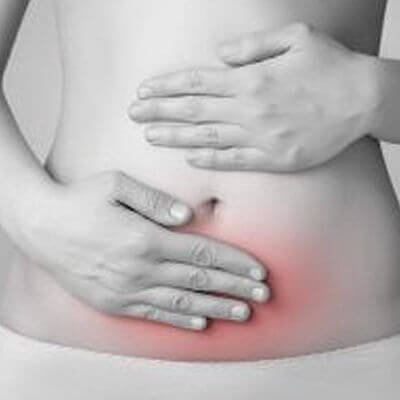
Pelvic organ prolapse (POP) refers to the sagging or drooping of any pelvic organs due to damage, trauma, childbirth or injury. The pelvic floor consists of a group of cradle-shaped muscles that hold pelvic organs in place. The pelvic organs include the uterus, bladder, cervix, vagina, rectum and intestines. Like any other part of the body, these muscles, with their surrounding tissues (fascia), can develop problems. If you fill a small plastic bag with grocery items, say for instance, a box of cereal, a few cans of vegetables, some jars and a package of rice —the bag should hold the items with no problem. But if you hang that full bag on a wall hook and leave it suspended, you’ll start to notice the items in it begin to bulge against the membrane of the bag as it takes on the shape of its contents. After a while, depending on how heavy the items are, the corner of the cereal box or rim of a can may start to bulge and even poke through as the bag stretches, weakens and eventually tears from the weight of the items in it. The groceries may even begin to protrude and dangle outside of the bag as the tears get larger. Pelvic prolapse happens much the same way. As the muscles and tissues holding the pelvic organs weaken, degrade or tear, the pelvic organs slip or drop through, sometimes forming a small hanging internal bulge. At other times, depending on the damage, they may actually dangle externally from the vagina or anus, causing problems and inhibiting their function. This is called prolapse. Who is at Risk for Pelvic Organ Prolapse? One in three women suffer from POP. Any activity that puts undue pressure on the abdomen can cause pelvic floor disorders. Typically, labor and childbirth are the leading causes of prolapse, especially when a woman has had several children, a long, difficult labor, or has given birth to a larger child.Pelvic organ prolapse becomes more common with age, usually around menopause when tissues damaged during a woman’s childbearing years begin to lose strength. Other causes are: What are the Symptoms of Pelvic Organ Prolapse? It is entirely possible not to have any symptoms at all. Sometimes pelvic organ prolapse is only discovered during a routine gynecological examination. Minor symptoms are a feeling of annoying pressure of the uterus or other pelvic organs against the vaginal wall, minimal malfunction of those organs, and mild discomfort. Other symptoms are: Symptoms may be aggravated by jumping, lifting or standing. Relief is usually found after lying down for a while. When Should You See Your Doctor? If you have increased sensations of pelvic pressure or pulling which is exacerbated by lifting or straining, but relieved when you lie down. Diagnosis At times, pelvic organ prolapse may be hard to diagnose, especially if a patient does not complain of any symptoms. Patients might be aware there’s a problem but cannot actually pinpoint its location. After asking questions regarding symptoms, medical history, past pregnancies, and other health problems, your doctor will perform a physical examination. Then, if organ prolapse is suspected or discovered, the following additional tests may be ordered: The doctor will then use a classification system to decide the organ prolapse level so he can best decide treatment options. Often, only simple non-invasive treatments and lifestyle changes are recommended for minor prolapse. If surgery is warranted, the following may be suggested: What Can You Do? Pelvic prolapse often sounds worse than it is. For many women, there are hardly any symptoms. For those who do suffer, there is help available, whether it is a simple lifestyle change, surgical repair, or reconstruction. If you have questions about your gynecological health or would like to consult with one of our pelvic reconstructive surgeons, please call 770.720.7733 or schedule an appointment online.
When you’re diagnosed with pelvic organ prolapse, you’re faced with a challenging and emotionally painful question: Should I continue adding children to my family? Whether you’ve always wanted a big family, or just two children, you know that your health is in a precarious and delicate state. You’re afraid of worsening your prolapse, but even more afraid that you will regret not choosing to become pregnant again. Talking with a urogynecologist who specializes in Female Pelvic Medicine and Reconstructive Surgery may help to make this decision easier for you to make. Since there are surgical and non-surgical treatment options for any stage of prolapse, your doctor can offer insight that may alleviate your fears and concerns. Once you’ve settled on an additional pregnancy, it is important to take care of yourself physically in order to optimize a birth and post-partum period that will accommodate your body and your prolapse. Pelvic organ prolapse doesn’t have to rule your decisions. Don’t let your limitations hold you back from living the life you want. During and After Pregnancy Prolapse Care Pelvic Floor Physical Therapy – The exercises and touch therapy included in PT can help to keep your symptoms to a minimum throughout your pregnancy. Ask your urogynecologist or OB/GYN for a referral to a physical therapist who specializes in women’s health. After you deliver, check with your urogynecologist and OB/GYN to be cleared to begin the healing process of post-partum physical therapy. Prenatal and Post-Partum Support – When worn correctly, a maternity belt can ease pressure on the pelvic floor and lower back, allowing you to move easier and prevent straining. Different from a waist-trainer or girdle, effective post-partum support can be therapeutic for a healing pelvic floor. Run these products by your doctor to see if they will work for you and your limitations. Conscientious Movement – Remember that you are growing a baby, as well as nursing your prolapse. Move with purpose, and don’t push yourself to the point of pain. Lifting should be kept to a minimum, as well as bending over. When you do have to make larger movements, engage your transverse abdominus and kegel muscles. Keeping theses muscles strong will help support your pelvic floor, and help prevent any stress urinary incontinence. When recovering from birth, give yourself time to heal. Move slowly, and deliberately, and “baby” your pelvic floor. Ask your doctor how soon you can resume any pelvic floor exercises, and start slowly, working yourself up to your pre-pregnancy status. Simple life adjustments can have a big impact on a successful pregnancy and post-partum period. Cherokee Women’s Health Can Help Our board-certified physicians are female pelvic health experts and can help. Call us today at 770.720.7733 or schedule an appointment online.
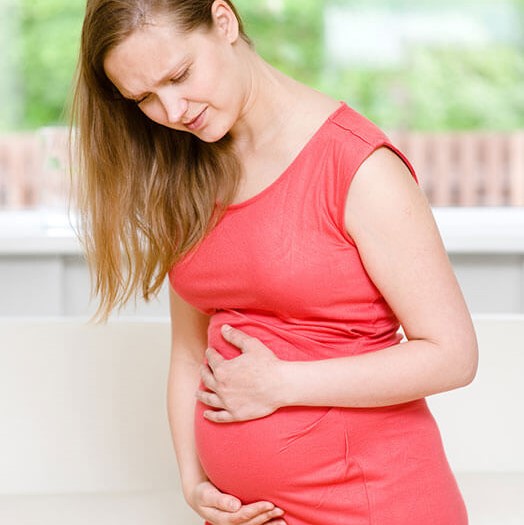
Pain, pressure, and fullness are very common complaints during pregnancy. But when those pesky symptoms don’t subside after birth, you may be dealing with pelvic organ prolapse. Pelvic organ prolapse, or POP, occurs when your pelvic floor suffers damage from pregnancy and childbirth. The weight of carrying your baby for nine months, as well as a difficult or traumatic birth, can tear the ligaments and connective tissue of your pelvic floor. As a result, your injured pelvic floor may have difficulty holding your organs — such as your uterus, intestines, rectum, urethra, and bladder — in place, and they fall downward. Symptoms of Pelvic Organ Prolapse Include: Urinary issues such as incontinence or difficulty urinating Bowel movement issues such as constipation or straining to use the bathroom Painful sex or intercourse Lower back pain. POP is usually diagnosed after birth when the symptoms persist; the complications can range from mild to severe. Every prolapse is different and will require a specialist’s approach in both diagnosing and treating your prolapse. Though childbirth is the most common reason women develop POP, there are other risks that make a woman prone to the condition. Common Causes of POP Include: Childbirth Genetics Smoking Chronic coughing Straining Heavy lifting Menopause Obesity Nerve or muscular damage. Help is Available If you experience any symptoms related to pelvic organ prolapse, or want to discuss risk factors, schedule an appointment today. If you do have POP, there are options available to you so that you don’t have to endure the effects of your prolapse long-term. Our double board-certified urogynecologists specialize in Female Pelvic Medicine and Reconstructive Surgery and can assist you in choosing the right treatment plan for you. POP doesn’t have to rule your life. Call us today at 770.720.7733 or schedule an appointment online.