
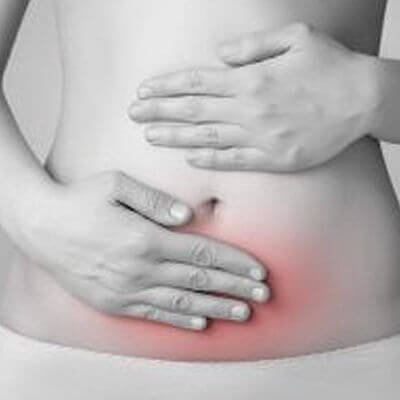
pelvic pain

GYN Problems

Can Endometriosis Be Genetic?

Can endometriosis be genetic? We’ll explore the genetic links to endometriosis and how our board-certified OB/GYNs at Cherokee Women’s Health can help you manage your risks and symptoms. Endometriosis is a chronic and often painful condition affecting approximately 1 in 10 women of reproductive age. Characterized by the growth of tissue similar to the uterine lining outside the uterus, it can lead to severe pelvic pain, heavy periods, and infertility. While the exact cause of endometriosis remains unclear, researchers have increasingly pointed to genetics as a significant factor. The Genetic Connection: Is Endometriosis Hereditary? Mounting evidence suggests that endometriosis has a hereditary component. Studies show that women with a first-degree relative—such as a mother, sister, or daughter—diagnosed with endometriosis are up to 7-10 times more likely to develop the condition themselves. This increased risk points to a genetic predisposition, though the condition isn’t caused by a single gene. Instead, it’s considered polygenic, meaning multiple genetic variations, combined with environmental factors, contribute to its development. Research published in journals like Human Reproduction has identified specific genetic markers associated with endometriosis, particularly those linked to inflammation, hormone regulation, and tissue growth. For example, variations in genes like WNT4 and GREB1 have been implicated in altering how the body responds to estrogen, a key driver of endometrial tissue growth. While these findings don’t guarantee you’ll inherit endometriosis, they highlight why family history is a critical piece of the puzzle. At Cherokee Women’s Health, our OB/GYNs take your family history seriously. During your consultation, we’ll ask detailed questions about your relatives’ health to assess your risk and guide our diagnostic approach. How Family History Influences Endometriosis Risk Understanding your family history can be a powerful tool in predicting and managing endometriosis. If your mother or sister has experienced symptoms like chronic pelvic pain, painful periods, or fertility struggles, it could signal a shared genetic vulnerability. Twin studies further support this link: identical twins, who share nearly 100% of their DNA, are more likely to both have endometriosis compared to fraternal twins, who share about 50%. However, genetics isn’t the whole story. Environmental factors—such as exposure to endocrine-disrupting chemicals (e.g., BPA in plastics) or lifestyle habits—can interact with genetic predispositions to trigger or worsen the condition. This interplay explains why some women with a family history never develop endometriosis, while others without apparent genetic risk do. Recognizing Symptoms: Could It Run in Your Family? Endometriosis symptoms can vary widely, but they often overlap within families due to shared genetics. Common signs include: Severe menstrual cramps that worsen over time Chronic pelvic pain outside of periods Pain during intercourse Heavy or irregular bleeding Infertility or difficulty conceiving If these sound familiar—especially if a close relative has similar complaints—it’s worth exploring further. Early recognition is key, as endometriosis is often misdiagnosed or dismissed as “normal” period pain, delaying treatment by years. Managing Genetic Risks: Prevention and Treatment Options While you can’t change your DNA, understanding your genetic risk for endometriosis opens the door to proactive management. Modern medicine offers a range of strategies to reduce symptoms and prevent complications, tailored to your unique needs. Here’s how we approach it at Cherokee Women’s Health: Hormonal Therapies Since estrogen fuels endometrial growth, hormonal treatments like birth control pills, progestin IUDs, or GnRH antagonists (e.g., elagolix) can suppress symptoms and slow disease progression. These options are especially helpful for women with a family history who want to manage risk before symptoms escalate. Lifestyle Adjustments Research suggests that diet and exercise may influence endometriosis severity. Anti-inflammatory foods (e.g., fatty fish, leafy greens) and regular physical activity can help mitigate inflammation, a key factor in the condition. Our team provides guidance on lifestyle changes to complement medical treatment. Surgical Intervention For severe cases or fertility concerns, minimally invasive laparoscopic surgery can remove endometrial lesions while preserving reproductive health. Our physicians excel in these advanced techniques, offering shorter recovery times and better outcomes. Fertility Support If endometriosis runs in your family and you’re planning to conceive, we collaborate with fertility experts to optimize your chances, whether through surgery or assisted reproductive technologies like IVF. By addressing your genetic risk early, we aim to minimize the impact of endometriosis on your life. Call us at 770-720-7733 or schedule online for a free consultation to discuss your options. Take Control of Your Health Today So, can endometriosis be genetic? The answer is yes—family history plays a significant role in your risk, but it doesn’t have to define your future. At Cherokee Women’s Health Specialists, our board-certified OB/GYNs are here to help you uncover your risks, recognize symptoms, and access cutting-edge treatments to live better with or without endometriosis. Whether it runs in your family or you’re experiencing unexplained pain, we’re ready to support you with compassionate, expert care. Don’t let uncertainty hold you back. Contact us today at 770-720-7733 or schedule and appointment online. Together, we’ll explore your family history, assess your risks, and create a plan to protect your health—because you deserve answers and relief.
prolapsed bladder
GYN Problems Patient Stories, Pelvic Pain Education

Pelvic Pain – Your Mother Was Wrong

Adrian came to my office this morning for a GYN visit. She is one of hundreds of women who visit our office every year looking for relief from pelvic pain. Adrian’s story is also common. “Period pain is a normal part of being a woman,” Adrian’s mother told her when she reached adolescence and the pain first began. Adrian believed it. “I experienced intense monthly pain around her pelvic area throughout my teens. When I entered my twenties, I missed work for a day or two every month because the pain was so bad. I didn’t make a big deal about it because I truly believed my pain was “normal.” – Adrian Pelvic Pain is Not “Normal” Adrian recently visited Cherokee Women’s Health after moving to the area. Like most women, she had formed a bond with her former OB, and the switch was hard. But not every GYN focuses on treating pelvic pain, and Adrian’s OB had been no exception. Pelvic pain is a complicated condition which can arise not just from the reproductive organs, but from the urinary tract or bowel as well. A woman might have more than one condition, each with a different cause. Causes of Pelvic Pain Include: Describing Your Pain is Key To Successful Treatment Part of successful treatment is answering questions, which helps your GYN understand your health history: A history of sexual abuse can also lead to symptoms of pelvic pain, whether from actual physical damage or the emotional trauma. Tools For Diagnosing Pelvic Pain Potential Treatments for Pelvic Pain In Adrian’s case, I diagnosed a longtime history of endometriosis. She seemed genuinely surprised at the range of treatment options available for her, and chose to try birth control pills as a first step. This week Adrian returned for follow-up, happy to report that the “normal” pain she had lived with all her life was gone! Don’t Suffer with “Normal” Pelvic Pain If you’re experiencing pelvic pain, help is available. Call our office at 770.720.7733 or schedule an appointment online today.

pelvic pain
GYN Problems

Endometriosis – Facts Every Woman Should Know

Endometriosis is the third leading cause of infertility in women of childbearing age. This disease affects 1 in 10 females from the ages of 15 to 44. It impacts more than 11% of women in the U.S. alone and is often times not diagnosed until a woman is in her 30’s or 40’s, so they may have it and not even know. The inside of your uterus (womb) has a lining of tissue called the endometrium. This is similar to that thin layer of skin-type material attached to the shell you sometimes see when you peel a hard-boiled egg. When you have a normal menstrual cycle, this uterine lining thickens to get your uterus ready to house a baby. Its purpose, if fertilization occurs, is to keep an embryo latched on to itself for nine weeks, providing nourishment until the mother’s blood supply through the placenta can take over the job. If pregnancy doesn’t happen that month, menstrual blood sloughs away that barrier and your body begins to rebuild a new one in preparation for the possibility of pregnancy the next time. With endometriosis, endometrial tissue grows and attaches itself in different places outside of your uterus where it doesn’t belong. Like the one in your womb, this tissue is stimulated during the menstrual cycle, but it doesn’t break down. Instead, it remains, causing pain, irritation, and possible scarring which can eventually lead to adhesions, a type of scarring that can cause different organs to fuse together. Endometrial tissue can be found in: In very rare cases, it has even been found on skin, and in the lungs and brain. What are the Symptoms of Endometriosis? Many women have none. Others may suffer a little discomfort, while yet others may experience extreme, debilitating effects. Symptoms include: What Are the Health Risks of Endometriosis? Although endometriosis is neither contagious nor cancerous, left alone it can continue to expand in places where growths should not appear. Unchecked, this may lead to the following problems: Who Can Get Endometriosis? Any female who has begun to menstruate can get endometriosis. In the past, women were often not diagnosed until 30 or 40 years old. Now, doctors know to be on the lookout much earlier, starting in the teens to 20’s. Although endometriosis is not overly picky about which woman’s body it chooses to inhabit, you have a greater likelihood of suffering from it if you have:  What Causes Endometriosis? No one really knows although research is intense and ongoing. Some theories include: How is it Diagnosed? The only way endometriosis is diagnosed is that it must be seen at the time of surgery. When someone presents with symptoms of endometriosis, initial workup may entail: Surgery is then performed as necessary. Is There a Cure? There is no cure, but endometriosis can be treated and managed. Options depend on your particular issues and symptoms, and whether you still want to become pregnant. They range from medication to surgery. What Are the Treatments? Your doctor will most likely try the following: How Can I Make Sure I Don’t Get Endometriosis? There is no way to prevent endometriosis, but there is a possibility of reducing your odds by using estrogen-lowering birth control, limiting caffeine and alcohol which raise estrogen, exercising regularly, and maintaining ideal body weight. How Can Cherokee Women’s Health Specialists Help Me? Our entire practice focuses solely on women and their unique biology. We are trained in every aspect of women’s health care and have three board–certified, doubly accredited urogynecologists holding certification in Female Pelvic Medicine and Reconstructive Surgery (FPMRS). This means that we can diagnose, understand, and treat all feminine problems with the most up-to-date knowledge and innovations known to modern medicine. To further discuss endometriosis, call us at 770.720.7733 or schedule an appointment online.

mouthwash_269330055
GYN Problems, STD/STI Screening

Can Mouthwash Cure Gonorrhea?

Sexually transmitted diseases and infections (STDs/STIs) have accelerated to alarming levels. Disturbing statistics show that, in the United States alone, 20 million cases are reported annually. Half of these are found in millennials, which are younger people between the ages of 15 to24. Syphilis, chlamydia and gonorrhea are the three top STDs affecting the younger population today. 820,000 cases of sexually transmitted infections are attributed to gonorrhea alone. What is the Difference Between an STD and an STI? Though used interchangeably, there is a difference, albeit a slight one.  An STD is a catch-all term for all sexually transmitted diseases. An STI is an infection that has not yet become a disease. Since most STIs can be treated with the proper medications when caught in time, they do not always evolve into a disease. For example, if you are unaware you have the STI, chlamydia, or are staying quiet hoping it will go away, it can blossom into an STD called pelvic inflammatory disease. The term STI is used more often now to counteract the stigma that was once associated with STDs. It’s a gentler and more optimistic acronym, since people associate the word ‘infection’ with ‘cure’, thus implying the condition has a hopeful outcome. Other Than Intercourse, How Does One Get an STI or STD? Bacterial and viral STIs are typically transmitted sexually via oral, vaginal or anal sex. Exposure to infected blood, skin, mucous membranes, seminal or vaginal fluids, bodily secretions, and open sores place you at high risk for STIs. Unclean shared needles used for tattooing, piercing and drug injection render you highly susceptible as well. Other STIs, such as pubic lice and scabies can be spread via physical personal proximity or infested fabrics. Who Gets STDs? From birth to death, no one is immune. There is no racial, economic, age or gender barrier. Sexually transmitted infections are impartial, in that they don’t discriminate. What are the Symptoms? Each STD/STI has its own list of multiple symptoms. You may have some or all of them. In many cases, there are no symptoms at all. If you are sexually active, especially with plural partners, or if you indulge in oral sex, pay attention to your body’s signals. Sudden pelvic, abdominal, back, tongue, mouth or throat abnormalities, should always be reported to your physician. Even your dentist can detect oral STI issues. It is important to insist your partners use protection or provide proof of ‘cleanliness’. Use condoms and/or a dental dam regularly. Have yourself tested on a regular basis. Just as you can get an STI, you can also unknowingly transmit one. What are the Risks of Untreated STIs? Repercussions can be severe, even fatal. Untreated STIs can lead to STDs, affecting you physically and mentally, destroying your nervous system, organs, bones, joints, tissues—every part of you. Some may lie dormant for years. If you have an STI and are pregnant, your baby can be born with that same condition, or be stillborn. Even if you firmly believe you are in a completely monogamous relationship and are suddenly afflicted with some of the tell-tale symptom associated with STIs, see a physician. It’s always better to be safe than sorry. What are the Treatments? Treatments vary based on the individual infection you have. Only your physician can prescribe the correct regimen after proper diagnosis. Antibiotics are usually effective for bacterial, parasitic or yeast STIs. There are however, some resistant strains of gonorrhea emerging that have become immune to antibiotics. Early intervention is important. Viral STDs cannot usually be cured, but they can be managed with antiviral medications. Vaccinations can help prevent hepatitis and some HPV types. Remember, STIs can recur. Even if previous treatment cured your gonorrhea, you can still contract it again from another partner. Why are so Many Young People Suddenly Getting STDs/STIs? There are a number of reasons for the astronomical rise: I Heard That Mouthwash Can Cure Oral Gonorrhea. Is This True? In a word, NO! Though research has shown that mouthwash does indeed kill some gonorrheal bacteria in the mouth and a little past the tonsils into the throat, there is no evidence to support that it has any healing qualities beyond that. Believing a quick gargle will make you spit out all traces of gonorrhea is a dangerous assumption to make. This home remedy is as effective on oral STIs as covering an atomic bomb in bubble wrap to muffle the explosive sound. In fact, using mouthwash as a cure or preventative may actually mask some important symptoms that your physician needs to know about in order to identify and treat you effectively. Statistic show that one in four Americans will contract an STD in their lifetime. Many won’t even know it. If you think you may have an STI or STD and wish to schedule an appointment for screening, call 770.720.7733.

pregnant-woman-with-pelvic pain
GYN Problems, OB, Pelvic Organ Prolapse Education

Pelvic Organ Prolapse and Pregnancy – Are You At Risk?

Pain, pressure, and fullness are very common complaints during pregnancy. But when those pesky symptoms don’t subside after birth, you may be dealing with pelvic organ prolapse. Pelvic organ prolapse, or POP, occurs when your pelvic floor suffers damage from pregnancy and childbirth. The weight of carrying your baby for nine months, as well as a difficult or traumatic birth, can tear the ligaments and connective tissue of your pelvic floor. As a result, your injured pelvic floor may have difficulty holding your organs — such as your uterus, intestines, rectum, urethra, and bladder — in place, and they fall downward. Symptoms of Pelvic Organ Prolapse Include: Urinary issues such as incontinence or difficulty urinating Bowel movement issues such as constipation or straining to use the bathroom Painful sex or intercourse Lower back pain. POP is usually diagnosed after birth when the symptoms persist; the complications can range from mild to severe. Every prolapse is different and will require a specialist’s approach in both diagnosing and treating your prolapse. Though childbirth is the most common reason women develop POP, there are other risks that make a woman prone to the condition. Common Causes of POP Include: Childbirth Genetics Smoking Chronic coughing Straining Heavy lifting Menopause Obesity Nerve or muscular damage. Help is Available If you experience any symptoms related to pelvic organ prolapse, or want to discuss risk factors, schedule an appointment today. If you do have POP, there are options available to you so that you don’t have to endure the effects of your prolapse long-term. Our double board-certified urogynecologists specialize in Female Pelvic Medicine and Reconstructive Surgery and can assist you in choosing the right treatment plan for you. POP doesn’t have to rule your life. Call us today at 770.720.7733 or schedule an appointment online.

pelvic-reconstruction-sos-photo_433552503-1-1
Fecal Incontinence Education, GYN Problems, Mesh Education

“My Bottom is Falling Out”

If you have pelvic floor dysfunction, this may be one way you might describe your symptoms. Other ways to describe it may include: A strange, new sensation has taken over your body. Simply put into words: it feels like your bottom is falling out. You may be hesitant to share this information with just anyone, but you can’t help but wonder what could be causing this unsettling symptom. Women who suffer from pelvic floor dysfunction have used this description and the others above to explain exactly what is happening down there. Pelvic floor dysfunction, or PFD, is a set of conditions that cause women to experience unpleasant urinary and bowel disorders or pelvic organ prolapse, also known as POP. Symptoms of these disorders include urinary or fecal incontinence, pain, pressure, or constipation. So, how exactly did your bottom end up this way? Over time, your pelvic floor muscles have endured some damage or weakness that has caused your organs to sag into your vagina, or rectum, hence the feeling that something is “falling out”. Childbirth is a very big factor that plays into PFDs, but there are other causes as well including genetics, heavy exercise, straining, and other health impairments. Every woman has a different experience with PFD and you should always keep this in mind when discussing treatment plans with your doctor. The effects of PFD can range from mild to severe, but there are treatment options that may work for you. Sometimes treatment includes simple lifestyle changes, physical therapy, an intravaginal device called a pessary, or surgery, including the placement of transvaginal mesh. Take back your body! Make an appointment with one of our board-certified female pelvic medicine and reconstructive surgery specialists to start the conversation about PFD. Call us at 770.720.7733 or schedule an appointment online.

doubtful-woman-mesh_177764792
GYN Problems, Mesh Education

The Great Mesh Debate: Unraveling the Basics

Pelvic organ prolapse (POP) is a condition that affects nearly one-third of middle-aged women. It occurs when the muscles that support the pelvic organs weaken, leading to a bulge or protrusion in the vaginal area. Many patients often describe this condition as a “vaginal hernia.” Symptoms of POP can include pelvic pressure, urinary incontinence, and sometimes discomfort during sexual activity. The weakening of the pelvic muscles and tissues causes the organs to shift from their normal positions, and the severity of symptoms can vary from person to person. Why Is Mesh Used in POP Surgery? In some cases, a woman’s natural tissue may not be strong enough to support a successful repair of the pelvic organs. This is where synthetic mesh or biologic grafts come into play. The use of these materials is intended to provide additional support and durability for the pelvic organs after surgery. However, since the 2008 FDA Public Health Notification about the use of transvaginal mesh in POP repairs, the subject has been a source of significant controversy and concern. Many women have seen advertisements or heard from others that mesh can be dangerous, leading to hesitations about its use. Patients frequently ask, “Are you going to use mesh in my surgery? I’ve heard it’s risky.” It’s important to understand that while there are potential risks, the use of mesh, when done by a trained and experienced surgeon, is generally safe and has a low complication rate. The Importance of Specialized Surgeons in POP Treatment Pelvic organ prolapse requires specialized care from doctors who have received advanced training in female pelvic medicine and reconstructive surgery (FPMRS). Board-certified surgeons have undergone rigorous training in diagnosing and treating POP, including the use of mesh in surgical procedures. For patients to achieve the best possible outcomes, it is crucial that they receive treatment from surgeons who are skilled in these procedures and understand the specific risks and benefits. When mesh is properly placed by a board-certified pelvic reconstructive surgeon, the risk of complications is significantly minimized. Part of the job as FPMRS specialists is to clearly communicate the potential risks and benefits of each procedure to patients, ensuring they are well-informed and confident in their treatment decisions. Individualized Treatment Plans for Optimal Care A key aspect of treating pelvic organ prolapse is creating a personalized treatment plan that is tailored to each patient’s unique needs. This starts with a thorough consultation that includes: Discussion of Symptoms: It’s important to understand the specific symptoms that are most bothersome to the patient. Complete Physical Exam: A physical exam helps the surgeon determine the exact nature and severity of the prolapse. Comprehensive Treatment Plan: This plan may include both non-surgical and surgical options, depending on the patient’s condition and preferences. For some women, non-surgical options such as pelvic floor exercises or lifestyle changes may be sufficient. However, for those requiring surgery, we explore the most suitable approach, including whether mesh might be used. It’s also essential to discuss lifestyle changes—such as maintaining a healthy diet, quitting smoking, and engaging in regular exercise—that can help prevent a recurrence of the prolapse. Empowering Patients with Knowledge The decision to undergo surgery for pelvic organ prolapse can be daunting, especially with the concerns surrounding mesh use. However, when patients are provided with accurate, evidence-based information, they are better equipped to make informed decisions about their health. Surgeons aim to empower patients byc explaining all available options and offering reassurance that, when performed by a skilled surgeon, mesh procedures have a high success rate and low risk of complications. If you’re experiencing symptoms of pelvic organ prolapse and are unsure about the best course of treatment, a consultation with a pelvic floor specialist can help you understand your options. Remember, you have choices, and individualized care is key to achieving the best possible outcome. To schedule an appointment or surgical consultation, call 770.720.7733. Or, simply schedule an appointment online. We are here to support you in every step of your treatment journey.

Michael Litrel, MD, FACOG, FPMRS
Dr. Litrel's Blog

A Prescription to Love

I can tell when a patient wants to get out of my office. It was Marsha’s first appointment, and she wasn’t making eye contact, her eyes kept flicking to the door, and she was answering all my questions with mumbles. Most people don’t like going to the doctor – especially the gynecologist – but Marsha seemed particularly, almost pathologically, nervous. She had come to me for a second opinion. Her original surgeon had recommended removing her uterus and ovaries for the severe pelvic pain she suffered. This represents a drastic approach for a childless woman in her early thirties. Marsha made it clear to me she didn’t want another examination from a male doctor. Now, I do what I can to make my patients comfortable, but a gender change is not on the table. I alerted Marsha that there are plenty of wonderful woman physicians she might like to see. After some hemming and hawing, Marsha elected to let me take care of her, and a few weeks later, I took her into surgery. Just one look inside revealed that her pelvic organs were virtually glued together with scar tissue. Instead of removing the uterus and ovaries, I cleaned out the scar tissue that seemed likely to be the cause of her pain. The surgery went well. Marsha’s pain dissipated almost entirely. Pain That No Surgery Can Cure Yet during the coming months, it became obvious in the follow-up appointments that Marsha suffered from a problem that went beyond a surgical diagnosis and cure. She was in her mid-thirties – living alone, estranged from family, and with almost no social contact beyond work and trips to the grocery store. Marsha chose to be virtually alone in the world. As her trust for me grew, Marsha’s story gradually came together, revealed in bits and pieces. It wasn’t totally unexpected that sexual abuse played a part in Marsha’s past. What was uncommon, however, was the degree and amount of abuse she had experienced. For as long as she could remember, Marsha’s male relatives – including her father and her brothers – had enforced sexual relations upon her. It had begun when she was five years old, and had continued until she was fifteen – old enough to finally fight them off, and shortly afterward, to move out of the house forever. Removing scar tissue from the human body is technically difficult. But it’s a simple job compared to removing the scars of childhood abuse. When you excise abnormal tissue, the remaining healthy tissue comes together and heals. But how do you remove the unholy, festering memories? Marsha was physically healed, but far from resuming the act of living. I couldn’t see how Marsha could learn to love other people, when those who should have given her those first lessons were the source of her earliest injuries. I pondered these questions in thought and in prayer. To Marsha, I recommended counseling, the church, volunteer work…but my suggestions were met with an unyielding resistance born out of deep mistrust for all people. Truthfully, it made me sad to have Marsha as a patient. It’s difficult to see a patient whom you’re not able to help. A Life-Changing Prescription Then one day, a simple solution presented itself. I decided to write Marsha a new prescription. On my pad I wrote: Do one good thing for someone else today. Write down what it was. Repeat daily. I told Marsha it didn’t matter what she did, or when she did it, or who she did it for: just keep the love in her heart, and search for the opportunity to share it with someone else in need. Once a day. I had no idea what Marsha would do with her “prescription.” Throw it in the nearest trash can, I suspected. I just knew she needed a different kind of medicine – the kind that isn’t manufactured by any pharmaceutical company. Healing of the body can only go so far: it is the health of our soul that makes us truly alive. Two months later Marsha returned for her next appointment. I was pleasantly surprised to hear that she had made a friend. She had simply helped someone at the store with her groceries. She attributed it to her new prescription, and promised she would continue to follow it every day. Six months later, I learned she had made some more friends. She had even joined a book club and was attending a local church. And a year later she went on her first date. Ever. Over the past several years, Marsha’s health has improved so much that now I only see her from time to time. Recently she sent me a card. She wanted to let me know she was getting married. And across the bottom of the card, in a small and hopeful postscript, was a note that she was hoping to have a baby. I have no idea why Marsha decided to take her “prescription” seriously. Maybe it was the fact that it was written on an official pad. Or maybe she could feel the desperation in my last ditch effort to help her.But perhaps it’s simply that Marsha recognized the truth. I believe that we are hard wired to recognize the truth when we see it, and the truth is this: Love is the necessary ingredient for a healthy life, and it is not always the love we receive that heals. More often, it’s the Love that we give. -Dr. Mike Litrel

© Copyright 2024 Cherokee Women’s Health Specialists
Scroll to Top