
pregnancy pain

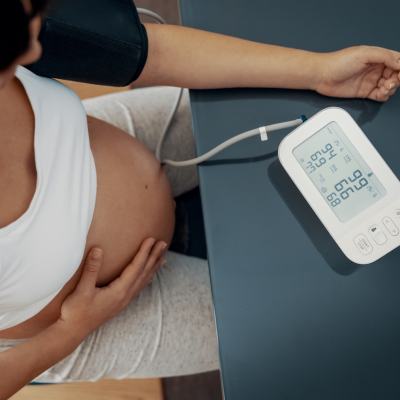
pregnant woman checking blood pressure
OB Education

Recognizing Preeclampsia During Pregnancy

Because preeclampsia only affects women during pregnancy and the postpartum period, many first time mothers are unaware of the effects and symptoms of preeclampsia. Proper prenatal care with an OB/GYN is typically enough to catch the early signs of preeclampsia; however, new mothers should be aware of the symptoms and notify their doctor about any changes in their health.  What Is Preeclampsia? Preeclampsia is pregnancy induced hypertension that affects mothers and infants during late pregnancy. Symptoms typically develop after week 20, and can show up as late as 6 weeks postpartum. Researchers have yet to isolate the cause of preeclampsia, but the disorder affects 5-8% of all pregnancies. Preeclampsia is most common in first time mothers. It is one of the leading causes of illness and death in mothers and infants, but identifying the problem in its early stages allows for the best possible outcome. Recognizing the Problem Although some women show few symptoms of pregnancy induced hypertension, preeclampsia is typically characterized by high blood pressure and protein in the urine. Your obstetrician will monitor your pregnancy for signs of preeclampsia, but it’s important to tell your physician if you’re experiencing any symptoms. Symptoms of preeclampsia may include: Preeclampsia develops rapidly, so it’s important to notify your doctor as soon as you experience symptoms. But with early detection and proper care, your physician can provide the best possible outcome for you and your baby. To learn more about preeclampsia or to schedule a prenatal appointment with one of our board-certified OB/GYNs, call us today at 770.720.7733 or schedule an appointment online.
pregnancy pain
OB

Pregnancy Pain

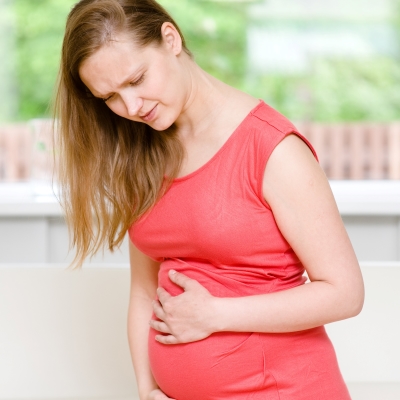
If your pregnancy pains incite panic, you’re not alone. Moms are hardwired to protect their babies, and it’s easy to jump to the worst case scenario when experiencing unexpected pregnancy pains. But pregnancy means your body is stretching to accommodate new life, and sometimes those internal gymnastics result in some less than pleasant feelings. It’s not always fun to be a human trampoline! So when is pregnancy pain something to get concerned about? Common Pregnancy Pains Pregnancy pains are nothing new. Between the uterus expanding and infant elbows jutting into your internal organs, pregnant mothers undergo a lot. The most common causes of sharp pain during pregnancy are uterine cramping, gas and bloating, constipation, and second trimester round ligament pain. Home remedies will typically alleviate these discomforts. Try: Pregnancy safe stretches Walking or light exercise Breathing exercise Experimenting with sleeping positions and sitting positions. When to Call Your Obstetrician While many pregnancy pains are nothing to worry about, they can be a warning from your body that something isn’t right. Contact your obstetrician immediately if: You experience bleeding, chills, fever, or you are leaking fluid Pain lasts longer than several minutes or fails to abate after resting or adjusting The pain makes it difficult to move, breathe, or speak Sharp pain is localized on one side of the abdomen or uterus The pain comes and goes in cyclical fashion and increases in intensity Your midwife or obstetrician is with you for every step of your pregnancy. If you have concerns about pregnancy pain you’re experiencing, call us today at 770.720.7733 or request an appointment online.

pregnant-woman-with-pelvic pain
GYN Problems, OB, Pelvic Organ Prolapse Education

Pelvic Organ Prolapse and Pregnancy – Are You At Risk?

Pain, pressure, and fullness are very common complaints during pregnancy. But when those pesky symptoms don’t subside after birth, you may be dealing with pelvic organ prolapse. Pelvic organ prolapse, or POP, occurs when your pelvic floor suffers damage from pregnancy and childbirth. The weight of carrying your baby for nine months, as well as a difficult or traumatic birth, can tear the ligaments and connective tissue of your pelvic floor. As a result, your injured pelvic floor may have difficulty holding your organs — such as your uterus, intestines, rectum, urethra, and bladder — in place, and they fall downward. Symptoms of Pelvic Organ Prolapse Include: Urinary issues such as incontinence or difficulty urinating Bowel movement issues such as constipation or straining to use the bathroom Painful sex or intercourse Lower back pain. POP is usually diagnosed after birth when the symptoms persist; the complications can range from mild to severe. Every prolapse is different and will require a specialist’s approach in both diagnosing and treating your prolapse. Though childbirth is the most common reason women develop POP, there are other risks that make a woman prone to the condition. Common Causes of POP Include: Childbirth Genetics Smoking Chronic coughing Straining Heavy lifting Menopause Obesity Nerve or muscular damage. Help is Available If you experience any symptoms related to pelvic organ prolapse, or want to discuss risk factors, schedule an appointment today. If you do have POP, there are options available to you so that you don’t have to endure the effects of your prolapse long-term. Our double board-certified urogynecologists specialize in Female Pelvic Medicine and Reconstructive Surgery and can assist you in choosing the right treatment plan for you. POP doesn’t have to rule your life. Call us today at 770.720.7733 or schedule an appointment online.

© Copyright 2024 Cherokee Women’s Health Specialists
Scroll to Top