Search Results for: menstrual cycle

photo of woman
Gynecology Education

Do I Smell Normal Down There?

A topic many women want to ask their OB/GYN but may be too embarrassed to talk about is, ‘Do I smell normal down there?’ We get it. Discussing intimate topics with your gynecologist can be uncomfortable, and we realize one such subject that often falls into this category is vaginal odor. However, while it might feel awkward, addressing changes in vaginal scent is crucial for maintaining reproductive health and overall well-being. In this article, we’ll explore why discussing vaginal odor with your gynecologist is important, what constitutes normal vaginal odor, potential causes for unusual odors, and how to approach this conversation with your healthcare provider. The Uncomfortable Conversation: Why It Matters For many women, the thought of discussing vaginal odor with a gynecologist can elicit feelings of embarrassment and vulnerability. However, it’s important to understand that gynecologists are medical professionals who are trained to address a wide range of women’s health concerns, including those related to vaginal health. Ignoring changes in vaginal odor could lead to the worsening of underlying issues that may affect fertility, sexual health, and overall quality of life. Understanding Normal Vaginal Odor Vaginal odor is influenced by various factors, including hormonal changes, hygiene practices, and lifestyle choices. It’s essential to recognize that every individual has their unique scent, which can change throughout the menstrual cycle. A healthy vagina typically emits a mild, slightly acidic odor that might be likened to the scent of bread or yogurt. This scent can vary from person to person, and it’s important to be attuned to what’s normal for your body. When Should You Be Concerned? While some variations in vaginal odor are perfectly normal, certain changes may indicate an underlying issue. If you notice a sudden and persistent strong, fishy, foul, or unusual smell accompanied by other symptoms like itching, burning, abnormal discharge, or discomfort, it’s time to consult your gynecologist. These symptoms could be indicative of infections such as bacterial vaginosis, yeast infections, or sexually transmitted infections (STIs). Potential Causes of Unusual Vaginal Odor Approaching the Conversation With Your Gynecologist Remember, gynecologists are professionals who are here to help and support you. To make the conversation more comfortable, consider the following tips: We’re Here to Help Monitoring changes in vaginal scent and promptly addressing unusual odors with your OB/GYN can contribute to maintaining optimal reproductive health and overall well-being. Remember, your gynecologist is a partner in your health journey, and open discussions are essential for effective diagnosis and treatment. So, if you find yourself asking, ‘Do I smell normal down there?’, don’t hesitate to reach out to one of our OB/GYNs at Cherokee Women’s Health. We are here to help. Your body and health deserve the attention and care they require. Call us at 770.720.7733 to schedule an appointment or simply schedule an appointment online.

GYN Problems

Polycystic Ovarian Syndrome (PCOS): Symptoms and Treatment

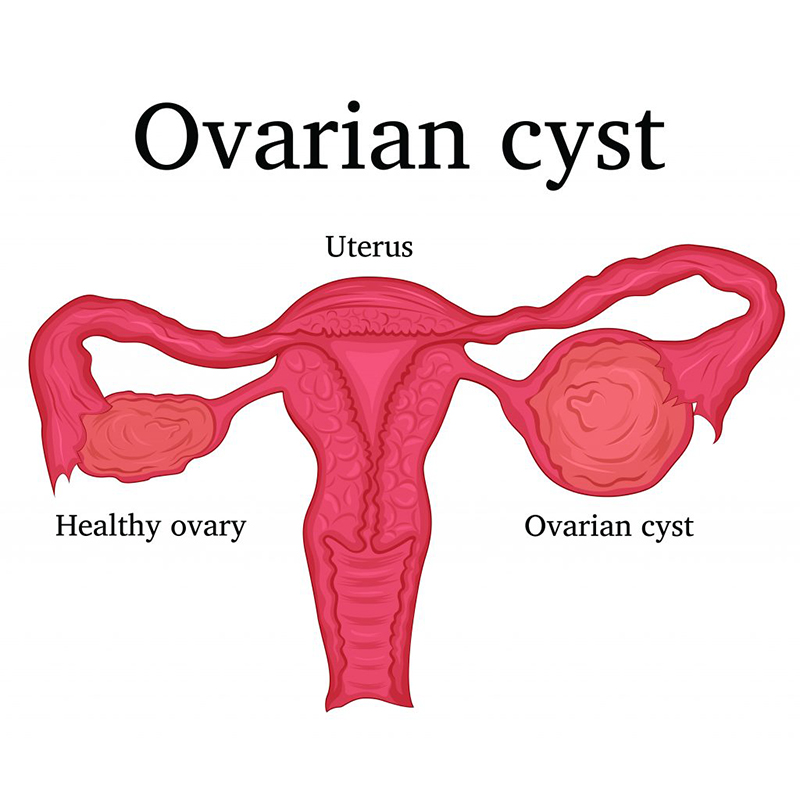
Polycystic ovarian syndrome (PCOS) is a hormonal condition that affects many women. It is primarily characterized by an imbalance in hormone levels, particularly an increase in androgens, such as testosterone. This excess of male hormones can lead to a variety of symptoms and health challenges. Common Symptoms of PCOS Women with PCOS often experience a range of symptoms that can vary in severity. These symptoms may include: Irregular periods: Many women with PCOS have infrequent menstrual cycles, sometimes going months without having a period. Excessive hair growth: Increased facial and body hair, a condition known as hirsutism, is common due to higher levels of androgens. Weight gain: Many women with PCOS struggle with weight gain or difficulty losing weight. Pelvic pain: Some women experience discomfort or pain in the pelvic area. Ovarian cysts: Ultrasound imaging often reveals multiple small cysts on the ovaries, which is a hallmark of the condition. How is Polycystic Ovarian Syndrome Diagnosed? Diagnosing PCOS involves a thorough process. Doctors typically start with a physical exam and a detailed discussion of the patient’s symptoms. Additional diagnostic tools include: Lab testing: Blood tests are used to check hormone levels and assess for elevated androgens. Ultrasound imaging: This helps detect the presence of ovarian cysts and other related changes in the ovaries. Treatment Options for PCOS The management of polycystic ovarian syndrome often involves a combination of lifestyle changes and medical treatments. Some of the most common approaches include: Lifestyle modifications: A low glycemic diet and regular exercise can help manage insulin levels, which is important for controlling PCOS symptoms. Hormonal birth control: Birth control pills are often prescribed to regulate menstrual cycles and reduce androgen levels. Anti-androgen medications: These can help reduce excessive hair growth and other androgen-related symptoms. Fertility treatments: For women with PCOS struggling with infertility, a combination of medications and, in some cases, surgical interventions may be recommended to improve the chances of conception. Help is Available Polycystic ovarian syndrome is more prevalent than many people realize, affecting approximately one in ten women. Unfortunately, it often goes undiagnosed or improperly managed, particularly in adolescents who may be prescribed birth control without addressing the underlying condition. That’s why it’s important to seek a proper evaluation if you experience symptoms of PCOS. As healthcare providers, we are here to guide you through the diagnosis and treatment of PCOS. We specialize in managing this condition and are dedicated to helping you live a healthy life. If you are concerned about PCOS or are experiencing any of the symptoms, don’t hesitate to reach out for support. You can contact us at 770.720.7733 or schedule an appointment online at one of our locations in Woodstock or Canton. We’re here to support you every step of the way.

woman with thyroid issue
Well Woman

Top 5 Signs of a Thyroid Issue

This article outlines the top five things to watch for with thyroid issues. The thyroid is a crucial part of overall well-being, so our OB/GYNs hope this information will help you maintain optimal health. What Exactly Does a Thyroid Do? The thyroid gland plays a crucial role in regulating various bodily functions, including metabolism, temperature control, and hormone production. Two hormones, T-3 and T-4, are produced by the thyroid that affect things like how fast your heart beats, how deeply you breathe, and your body weight. These hormones also help control cholesterol levels and women’s menstrual cycles. Unexplained Weight Changes One of the primary signs of a thyroid disorder is unexplained weight changes. An underactive thyroid (hypothyroidism) can lead to weight gain, while an overactive thyroid (hyperthyroidism) can result in weight loss. If you notice significant fluctuations in your weight without any changes in diet or exercise, it is essential to consult with a healthcare professional at Cherokee Women’s Health for a thorough evaluation of your thyroid function. Fatigue and Mood Swings Feeling excessively tired or experiencing unexplained mood swings could be indicative of an underlying thyroid issue. Hypothyroidism often manifests as persistent fatigue, lethargy, and a general sense of low energy. On the other hand, hyperthyroidism can lead to restlessness, anxiety, irritability, and mood swings. If you find yourself battling unexplained exhaustion or emotional instability, it may be worth discussing these symptoms with our experienced OB/GYN team. Changes in Menstrual Patterns Thyroid dysfunction can disrupt the delicate hormonal balance in women, affecting their menstrual cycles. Irregular periods, lighter or heavier bleeding than usual, or increased cramping could be potential red flags for an underlying thyroid problem. It is crucial to monitor your menstrual patterns and promptly seek guidance from our experts at Cherokee Women’s Health if you observe any unexplained changes. Hair Loss and Skin Changes The health of your hair and skin can also provide clues about your thyroid function. Excessive hair loss, dry and brittle hair, thinning eyebrows, and dry, itchy skin are commonly associated with hypothyroidism. Conversely, hyperthyroidism may cause hair thinning, increased hair shedding, and skin issues such as excessive sweating or sensitivity. Cold Sensitivity and Temperature Regulation The thyroid gland helps regulate body temperature, and thyroid dysfunction can disrupt this balance. People with hypothyroidism often report feeling unusually sensitive to cold temperatures, experiencing cold hands and feet, and having an overall intolerance to cold. Conversely, individuals with hyperthyroidism may have an increased sensitivity to heat and feel excessively warm, even in normal temperature environments. Listen to Your Body By recognizing the top five things to look out for regarding thyroid issues–unexplained weight changes, fatigue and mood swings, changes in menstrual patterns, hair loss and skin changes, and cold sensitivity and temperature regulation–women can proactively monitor their well-being. Remember, if you notice any of these symptoms, seeking guidance from our experienced OB/GYN team will help you obtain an accurate diagnosis and develop an appropriate treatment plan to ensure optimal thyroid health. Make an Appointment schedule an appointment online at either our Woodstock or Canton location or call us at 770.720.7733. Our board-certified OB/GYNs are here to help you regain control over your health.

Lisa McLeod, DO, FACOOG
OB, Well Woman

Dr. Lisa McLeod: A Passion and Empathy in Women’s Health

Dr. Lisa McLeod, a proud Jamaican-Panamanian American hailing from Brooklyn, New York, brings a unique perspective to the field of obstetrics and gynecology. Having moved to the South, specifically Georgia, she is excited about the opportunity to experience a new region. Dr. McLeod is a dedicated mother, and her journey into motherhood has deepened her understanding of pregnancy and forged a stronger connection with women. In her spare time, she indulges in her love for travel, having visited over 35 countries and counting, immersing herself in diverse cultures and expanding her knowledge of people worldwide. Watch Dr. McLeod’s corresponding video. Finding Passion: A Personal Experience Dr. McLeod’s path to becoming an OB/GYN is an intriguing story. At the age of 21, while pursuing her engineering degree, she faced her own gynecological issues. Frustrated by feeling unheard by healthcare providers, she resolved to make a difference in women’s health. Initially, she continued her engineering career, but the persistent need to address women’s concerns led her to study exercise physiology. Driven by her growing passion, she eventually transitioned to a career in medicine, realizing the profound impact she could make in improving women’s health and well-being. A Holistic Approach: Exercise and Osteopathy What sets Dr. McLeod’s practice apart is her incorporation of exercise and osteopathy into addressing women’s health concerns. Her background in exercise physiology and osteopathic medicine enables her to view the body as an interconnected system. She is passionate about understanding how the body functions as a whole and finding ways to alleviate discomfort and improve overall health through exercise. Dr. McLeod believes in the power of exercise during labor, exploring different positions and movements to facilitate the birthing process. Similarly, she explores exercise techniques to manage menstrual cramps and even looks at exercise and body mechanics to address issues related to sexual intercourse, such as dyspareunia. By seeking holistic solutions, Dr. McLeod aims to empower her patients to take an active role in their own well-being. A Comprehensive Approach: Beyond Medication and Surgery In her practice, Dr. McLeod takes a comprehensive approach to treating women’s symptoms and complaints. Rather than solely relying on medications or surgical interventions, she considers a broad range of options. Driven by her exercise background, she explores ways in which exercise and movement can alleviate discomfort and improve outcomes. Whether it’s finding optimal positions during labor, managing menstrual cycle symptoms, or addressing muscle spasms contributing to pain during intercourse, Dr. McLeod is committed to exploring the full spectrum of treatment options. The Joys of Obstetrics and Gynecology For Dr. McLeod, the most fulfilling aspect of being an obstetrician-gynecologist is the opportunity to connect with women on a daily basis. She cherishes the conversations, the stories, and the shared experiences. Understanding the unique challenges women face throughout their lives brings her immense joy. Dr. McLeod’s passion extends to all aspects of obstetrics and gynecology, from discussing women’s issues and health concerns to celebrating the different phases of pregnancy and the journeys women embark upon. With a genuine love for her field, Dr. McLeod embraces the diversity and complexity that obstetrics and gynecology offer. Dr. Lisa McLeod’s Dedication to Women’s Health Dr. Lisa McLeod’s journey into obstetrics and gynecology is driven by a personal experience, a passion for women’s health, and a commitment to a holistic approach. Her multicultural background, combined with her expertise in exercise physiology and osteopathy, provides a unique perspective in addressing women’s health concerns. Dr. McLeod’s practice focuses on empowering women through education, exercise, and a comprehensive approach to treatment. With her genuine love for her field and her dedication to making a difference in women’s lives, Dr. McLeod is a compassionate and knowledgeable OB/GYN who continues to strive for excellence in providing quality care.

teen-with-endometriosis_215073196
GYN Problems, Teen GYN Education

Endometriosis in Teen Girls

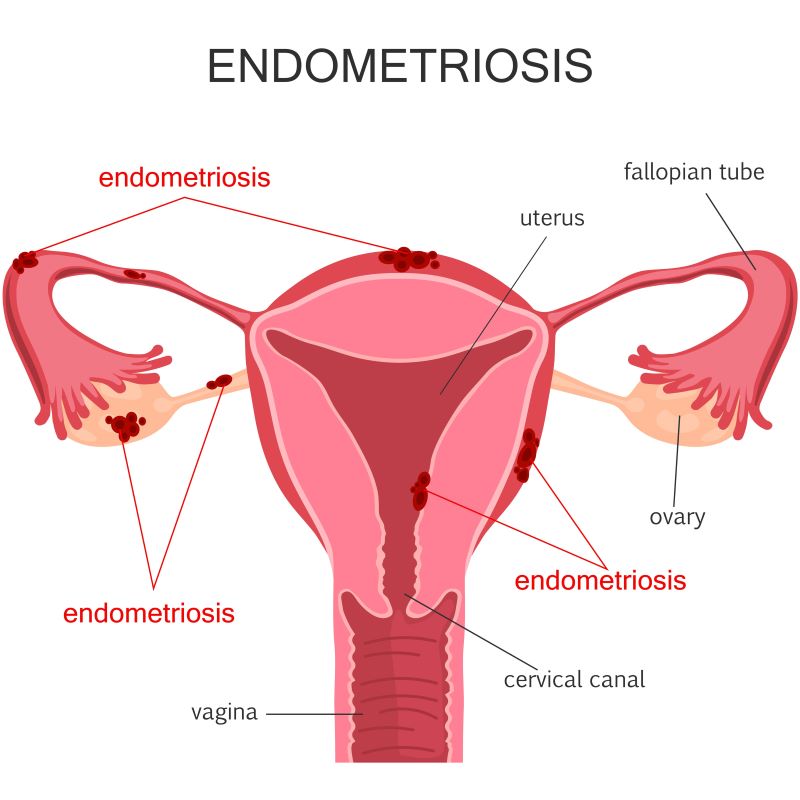
Endometriosis in teen girls can result in painful symptoms, and even infertility. Endometriosis is a common gynecological condition that affects women of all ages, including teenagers. It is characterized by the growth of tissue that normally lines the inside of the uterus (endometrium) outside the uterus. This tissue can grow on the ovaries, fallopian tubes, bowel, bladder, and other organs in the pelvis. Endometriosis affects an estimated 10% of women worldwide, but it often takes years to be diagnosed. This is particularly true for teenage girls, who may not recognize the symptoms of endometriosis or may not seek medical help for their symptoms. Endometriosis Symptoms Endometriosis symptoms can vary greatly, but common symptoms include: For teenage girls, endometriosis can be particularly challenging because they may not have developed a regular menstrual cycle yet. Some girls may experience painful periods from the start of menstruation, while others may develop symptoms over time. If a teenage girl has symptoms of endometriosis, it is important to see a gynecologist who can provide an accurate diagnosis and appropriate treatment. Diagnosis often involves a physical exam, medical history, and imaging tests such as an ultrasound. In some cases, a laparoscopy may be necessary to confirm the diagnosis. Treatment for endometriosis in teenagers may involve medications to relieve pain and inflammation, hormone therapy to regulate the menstrual cycle and reduce the growth of endometrial tissue, or surgery to remove the tissue. In some cases, a combination of treatments may be necessary. Managing Endometriosis In addition to medical treatment, there are lifestyle changes that can help manage endometriosis symptoms. These may include: It is important for teenage girls with endometriosis to have a support system, whether it is family, friends, or a support group. Coping with endometriosis can be difficult, both physically and emotionally, and having a support system can make a big difference. See Your GYN for an Early Diagnosis If a teenage girl has symptoms of endometriosis, it is important to see a GYN for an accurate diagnosis and appropriate treatment. With the right medical care and lifestyle changes, girls with endometriosis can manage their symptoms and live healthy, fulfilling lives.

GYN Problems, PCOS Education

PCOS (Polycystic Ovary Syndrome)

Polycystic ovary syndrome can have a lot of side effects, including weight gain, infertility, heavy bleeding and pelvic pain. Polycystic ovary syndrome is a hormonal endocrine disorder that disrupts the menstrual cycle often resulting in anovulation (not ovulating) during a women’s childbearing years. Women suffering from PCOS will have disruption of normal female hormones and produce higher than normal levels of the male hormone, testosterone, (hyperandrogenism). This imbalance can cause a growth of numerous small cysts filled inside the ovaries, (hence the name “polycystic.”) The ovaries are often enlarged. These cysts are follicles that house eggs that have never matured due to the glut of male hormones inhibiting ovulation. Most PCOS sufferers (possibly all) are also more resistant to insulin. This leads to further problems, including weight gain and susceptibility to developing diabetes. How Do You Know if You Have PCOS? How to know if you have PCOS, as explained by Dr. James Haley. PCOS Symptoms Polycystic ovary syndrome can begin in utero, but symptoms only usually begin to occur when a female begins puberty. These include: After years of suffering, Cherokee Women’s Health diagnosed Elizabeth with PCOS at just 23 years old. What Causes PCOS? There are varying theories as to what causes PCOS. Poor nutrition and diet at a young age can be a contributing factor. Insulin is produced by the pancreas to extract food sugars for energy. PCOS causes women to produce too much insulin. As a result of insulin resistance which, in turn, stimulates more over-production of androgens. These male hormones interfere with ovulation, impacting fertility. Male hormones then dominate female ones, resulting in some of the masculine characteristics mentioned earlier. Since other factors can also contribute to surplus androgen development, medical science is still trying to pinpoint the exact cause of PCOS. How is PCOS Diagnosed? There is no actual test to diagnose PCOS. It is a matter of eliminating other disorder possibilities until the diagnosis of PCOS is reached. Two primary contributing factors of PCOS: 1) A history of skipping periods 2) Elevated androgen hormone levels (hyperandrogenic effect) alert physicians to suspect that a woman may have PCOS. Being overweight or obese strengthens the possibility, especially in females with more upper body fat. Weight gain in this area is more male-related, thus indicating the existence of higher testosterone levels. This diagnosis is derived through: Read how our patient Tiffany finally got relief from her PCOS symptoms. What are the Risks of PCOS? Overweight and obesity alone can cause severe health problems. Compounded with PCOS, the following risks are elevated: Can Being Overweight Lead to PCOS? Polycystic ovary syndrome, or PCOS, has recently received a great deal of exposure in the media. 5 to 10% of women in the United States suffer from this condition. It is one of the leading causes of infertility, yet fewer than 50% of those women are diagnosed correctly. That amounts to a staggering 5 million women! Not every woman diagnosed with polycystic ovary syndrome is overweight, but approximately 80% are. Other female family members tend to be overweight or obese as well. Realize, however, that PCOS causes weight gain for most patients, but being overweight or obese does not “cause” PCOS. Can PCOS be Controlled? Though it is a lifelong condition and a leading cause of infertility in women, PCOS can be controlled, especially if treated early. What are the Treatments? Once it is established that you have PCOS, your doctor may recommend some or all of the following: PCOS-prescribed medications may have strong side effects, or become more potent with steady, consistent weight loss. You will have to be monitored and tested regularly to insure proper dosage for your continuing good health. PCOS Education Articles

28 year old woman with excessive bleeding
Bleeding Education, GYN Problems

How Excessive Bleeding Affected 28-Year-Old Becky

Excessive bleeding has been an unexpected challenge in my life as a 28-year-old woman. The impact of heavy menstrual bleeding on my daily routines and overall well-being has been significant. Navigating the causes, recognizing the symptoms, and exploring available treatment options have become vital steps towards regaining control and seeking relief. Following is Becky’s account of dealing with excessive bleeding. Causes of Excessive Bleeding Understanding the potential causes of excessive bleeding has been a crucial aspect of my journey. Hormonal imbalances, such as those related to polycystic ovary syndrome (PCOS), have played a role in my experience. These imbalances, particularly an excess of estrogen relative to progesterone, have contributed to heavy menstrual bleeding. It’s been a journey of learning about my own body and the complexities of hormonal fluctuations. When “Normal” Becomes Excessive Recognizing the symptoms of menorrhagia has been an eye-opening experience for me. Previously, I believed that the discomfort and disruption I felt during my periods were a normal part of being a woman. However, as I educated myself and spoke with my OB/GYN, I realized that my symptoms exceeded what is considered typical. Prolonged periods lasting more than seven days, frequent soaking through sanitary pads, passing large blood clots, and experiencing fatigue due to anemia became telltale signs of excessive bleeding that I could no longer ignore. Treatment Options: Seeking Relief and Empowerment Taking charge of my health and seeking appropriate treatment options has been empowering. I’ve discovered a range of options that can help manage excessive bleeding and improve my quality of life. Medications and Hormonal Therapies Medications and hormonal therapies have offered me a sense of control over my menstrual cycles. Nonsteroidal anti-inflammatory drugs (NSAIDs) like ibuprofen have helped reduce menstrual bleeding, providing some relief during particularly heavy periods. Additionally, hormonal therapies such as oral contraceptives and progestin-releasing intrauterine devices (IUDs) have proven effective in regulating my menstrual cycles and reducing excessive bleeding. Surgical Interventions: Weighing the Options For severe cases or when other treatments haven’t been successful, surgical interventions may be recommended. Procedures like endometrial ablation, which removes or destroys the uterine lining, and hysterectomy, the removal of the uterus, can provide long-term relief for women with menorrhagia. It’s important to consult with your OB/GYN to weigh the benefits and potential risks of these procedures. Self-Care and Lifestyle Modifications Beyond medical interventions, I’ve discovered the significance of self-care and lifestyle modifications in managing excessive bleeding. Maintaining a healthy weight, managing stress levels, and engaging in regular exercise have become essential aspects of my journey. These changes, though seemingly small, have had a positive impact on my overall well-being and have helped alleviate some of the symptoms associated with menorrhagia. Taking time for self-care activities such as practicing mindfulness, indulging in hobbies, and prioritizing rest has also been crucial in managing the physical and emotional challenges that come with excessive bleeding. When to Seek Support Embarking on this journey has taught me the importance of seeking support and not navigating it alone. Connecting with healthcare professionals who specialize in women’s health has been invaluable. They have provided me with guidance, knowledge, and personalized treatment options tailored to my specific needs. Building a support system of friends, family, or support groups who understand and empathize with my experiences has also been empowering. Sharing stories, exchanging advice, and knowing that I’m not alone in this journey has made a significant difference in my ability to cope with menorrhagia. Educating Myself Was Important Excessive bleeding in women, or menorrhagia, can be a challenging condition to manage, especially for young women. However, by understanding the causes, recognizing the symptoms, and exploring available treatment options, it is possible to regain control and seek relief. Whether through medications, hormonal therapies, surgical interventions, self-care practices, or seeking support, there are avenues to improve your quality of life and manage the impact of excessive bleeding. The OB/GYNs at Cherokee Women’s Health Can Help If you’re experiencing symptoms of excessive bleeding that disrupt your daily activities and well-being, reach out to our OB/GYNs who can provide the guidance and support needed. Remember, you have the power to take control of your health and find the solutions that work best for you. Call us today at 770.720.7733 or schedule an appointment online at either our Woodstock or Canton location.

hormone journey
Well Woman

Hormones Changed My Personality: Insights from a 50-Year-Old Woman

At 50 years old, hormonal changes played a profound influence on Lorraine’s physical and emotional well-being. Here is her hormone journey. The Influence of Estrogen: Cognitive and Verbal Flourish One hormone that has been a constant companion on my journey is estrogen. Throughout the years, I have observed the effects of estrogen fluctuations during my menstrual cycles, pregnancy, and now the transition of menopause. Estrogen’s influence on personality becomes particularly pronounced during these phases. In my younger years, when estrogen levels were high and stable, I felt a sense of clarity and mental agility. Verbal fluency came effortlessly, and I excelled in tasks that required language processing and communication. I cherished the ability to articulate my thoughts with ease, engaging in meaningful conversations and expressing myself with confidence. Hormone Changes: The Impact on Memory Moreover, estrogen’s impact on memory has been notable. During times of hormonal balance, I found myself recalling past events with vivid detail and precision. This ability to remember and reflect on my experiences enriched my sense of identity and provided valuable insights into my personal growth. “Throughout my life, I have experienced the ebb and flow of hormones, and their impact on my personality has been undeniable.” – Lorraine, 50 years old Estrogen’s Double-Edged Sword On the emotional front, estrogen has been a double-edged sword. When estrogen levels were at their peak, my mood soared, and I felt a deep sense of well-being. I embraced life with optimism and resilience, navigating challenges with grace. However, the inevitable fluctuations and declines in estrogen levels brought about by PMS or menopause introduced a new emotional landscape. Navigating Emotional Shifts During these times, I found myself riding waves of emotions, experiencing mood swings, and grappling with heightened sensitivity. The rollercoaster of emotions was challenging to navigate, but it was a reminder of the intricate connection between hormones and emotions. As I embraced this understanding, I developed strategies to support my emotional well-being during these hormonal shifts, such as practicing self-care, seeking support from loved ones, and engaging in stress-reducing activities. Progesterone: The Calming Influence Another hormone that has played a significant role in my personality journey is progesterone. During the second half of my menstrual cycle, when progesterone levels rise, I have noticed a sense of calmness and tranquility washing over me. Progesterone acts on the GABA system, which promotes relaxation and inhibits anxiety. This calming effect has been a welcome respite during times of heightened stress or emotional turbulence. Menopause and Hormone Changes: Embracing Change As I embark on the next phase of my journey, I embrace the wisdom gained from understanding the interplay between female hormones and personality. It reminds me to approach each day with self-compassion, adapt to the changes my body undergoes, and seek balance in nurturing my physical and emotional well-being.

teen at gyn appointment
Teen GYN Education

7 Compelling Reasons to Take Your Teen Daughter to an OB/GYN

Taking your daughter to a teen GYN at an early age is one of the best ways to care for their health and well-being. As parents, we strive to provide our children with the best possible care and guidance throughout their lives. When it comes to the health and well-being of our teenage daughters, it’s important to prioritize their reproductive health. While the thought of visiting a gynecologist may seem intimidating or unnecessary for a young girl, there are several compelling reasons why it’s crucial to prioritize these visits. 7 Reasons to Take Your Teen Daughter to an OB/GYN 1. Establishing a Relationship and Trust Taking your teen daughter to a teen OB/GYN early on helps establish a trusting relationship between her and the provider. Regular visits to the same OB/GYN allow her to build familiarity, comfort, and trust, making it easier for her to discuss sensitive topics or ask questions about her reproductive health in the future. 2. Understanding Puberty Adolescence is a time of rapid changes in a young girl’s body, particularly during puberty. An OB/GYN can explain the physical and emotional changes that accompany puberty, including breast development, menstruation, and hormonal fluctuations. By providing accurate and reliable information, an OB/GYN can alleviate any concerns or anxieties your daughter may have, helping her navigate this transformative phase of her life with confidence. 3. Educating About Menstruation and Menstrual Hygiene Menstruation is a natural part of a woman’s life, but it can be confusing and overwhelming for a teenage girl who is experiencing it for the first time. An OB/GYN can educate your daughter about menstrual cycles, the importance of maintaining proper menstrual hygiene, and answer any questions she may have about periods. This knowledge will empower her to manage her menstrual health effectively. 4. Addressing Concerns and Questions Teenagers often have many questions and concerns about their bodies, relationships, sexuality, and contraception. An OB/GYN is a qualified professional who can provide accurate information and address any queries or concerns your daughter may have. By seeking expert advice, your teen can make informed decisions about her reproductive health and feel confident in her choices. 5. Sexual Health and STI Prevention Discussing sexual health can be uncomfortable, but it is vital for your teen daughter’s well-being. An OB/GYN can provide comprehensive information about safe sex practices, STI prevention, and contraception options. By having open and honest conversations, an OB/GYN can guide your daughter towards responsible sexual behavior and help her understand the importance of protecting her reproductive health. 6. Identifying Potential Health Issues Regular visits to an OB/GYN during adolescence allow for the early identification and prevention of potential health issues. An OB/GYN can perform necessary screenings, such as Pap tests or HPV vaccinations, to detect any abnormalities or signs of illness. Early detection can significantly improve the chances of successful treatment, if needed, and ensure your daughter’s overall well-being. 7. Building Lifelong Health Habits By taking your teen daughter to an OB/GYN, you are instilling in her the importance of prioritizing her reproductive health throughout her life. Regular visits to an OB/GYN during adolescence lay the foundation for a lifetime of good health habits, encouraging her to take proactive steps to care for her reproductive well-being and fostering a sense of responsibility for her overall health.   Our OB/GYNs Are Compassionate and Qualified to Care for Your Daughter Taking your teen daughter to an OB/GYN offers numerous benefits for her reproductive health and overall well-being. From establishing trust and providing education to addressing concerns and identifying potential health issues, an OB/GYN plays a vital role in guiding young girls through the transformative phase of adolescence. By prioritizing these visits, you are empowering your daughter to make informed decisions about her reproductive health, fostering a positive and responsible attitude towards her body, and setting her on the path to a healthy and fulfilling life. Call us today at 770.720.7733 or schedule an appointment online at either our Canton or Woodstock location.

© Copyright 2024 Cherokee Women’s Health Specialists
Scroll to Top