
womens health

Menopause and Hormone Therapy

4 Things to Know if You Are Entering Menopause

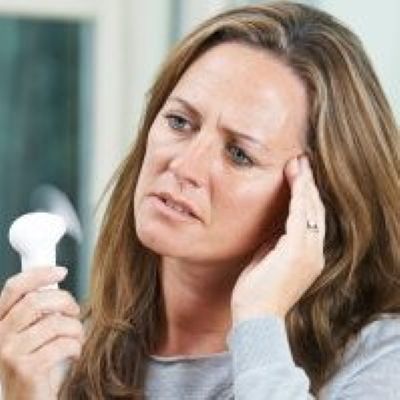
Menopause is a turning point in a woman’s life that can have a significant impact on her health and overall well-being. Natural menopause is a gradual process that can bring about physical upheaval from hot flashes, night sweats, sleep issues and other symptoms. Let’s take a look at the different phases of menopause and the signs and symptoms to help determine if you are entering menopause. It will be much less stressful if you are informed and know what to expect. Perimenopause: An Overview The transition to menopause is known as perimenopause. It can range 4-7 years prior to actual menopause. The average woman experiences perimenopause at approximately 46 years of age. During this phase, a woman’s ovaries are beginning to produce less estrogen. Estrogen is the hormone that helps control the menstrual cycle. You will notice a difference in your periods which will vary from woman to woman. Although periods may become unpredictable, ovulation can still occur, so it is still possible to get pregnant. In fact, many of the signs and symptoms of perimenopause are similar to pregnancy or PMS including the following. Perimenopausal women will notice these symptoms appear at any time throughout their cycle instead of only 1-2 weeks before menstruation. Determining whether you’re experiencing perimenopause or may be pregnant can be confusing so consult with your OB-GYN right away if you think you might be pregnant. Menopause: An Overview Menopause is the permanent end of menstruation. It is the natural end of a woman’s potential childbearing years. At this point, the ovaries no longer function, menstrual periods have stopped, and it is not possible to become pregnant. According to the National Institute on Aging, on average, women are 51 years of age at natural menopause. However, a woman is considered to have reached menopause after she has missed her menstrual cycle for 12 consecutive months. There is no reliable way to predict menopause age. Women have been known to start menopause as young as 40 and as late as 60 years old. Women who smoke tend to begin menopause a few years sooner than non-smokers. Menopause can be induced, at any age, by certain surgeries and medical treatments. Chemotherapy, pelvic radiation therapy and surgical removal of the ovaries can lead to the sudden onset of menopause. What To Expect As Your Body Changes Beginning in your 30s and 40s, the amount of estrogen produced by the ovaries starts to fluctuate. It’s likely you will notice a change in your menstrual cycles. You may begin to skip periods. Flow may be heavier or lighter. Cycles may be shorter or longer in duration. You may have periods less often or more frequently. Menopause affects each woman differently. Some women reach natural menopause with little or no trouble. Others have severe symptoms that drastically affect their health and lifestyle. The length of time from perimenopause until menopause will also vary from woman to woman. When menopause begins suddenly as a result of radiation, chemotherapy or surgical removal of the ovaries, the symptoms and adjustments can be more extreme than with naturally occurring menopause. Signs and Symptoms of Menopause Numerous signs and symptoms will help you, and your doctor determine if you are entering menopause. Remember, every woman is different. You may experience none, some, or all of these symptoms during perimenopause and menopause. Hot Flashes and Night Sweats A hot flash is a sudden feeling of heat that rushes to the face and upper body. Some women have hot flashes several times a day while others only several times a week. A hot flash can last a few seconds or several minutes or longer. Hot flashes occurring at night are known as night sweats. They may wake you up or make sleep difficult causing you to feel tired and ill-rested the next day. A hot flash can cause temporary red blotches on the chest, back and arms. Both sweating and chills are possible. Sleep Issues Menopause can affect your body’s chemistry in other ways as well. Besides having problems associated with night sweats your normal sleep patterns may be disrupted. Because of the many changes your body is experiencing, you may have trouble falling asleep and staying asleep. You may wake up long before your usual time. Vaginal and Urinary Tract Changes The lining of the vagina may become thinner, dry, and less elastic as estrogen levels decrease. Vaginal dryness can make intercourse uncomfortable or painful. Vaginal infections may occur more frequently. The urethra can become dry, inflamed, or irritated causing more frequent urination and an increased risk of urinary tract infections. Changes In Libido Function During perimenopause and menopause, the libido may also change, for better or worse. But remember that many factors besides menopause can affect sex drive. Stress, medications, depression, poor sleep, and relationship problems can all have an immediate impact on your libido. Menopause Health Risks Along with menopause comes a greater chance of heart disease (the No. 1 cause of death for U.S. women) and osteoporosis (thinning of the bones). These are areas to be aware of even after other symptoms of menopause have subsided. Heart health and strong bones are important throughout life, but menopause is the time to get serious about it. Consult your doctor about any lifestyle changes that should be made during menopausal years to maintain a healthy heart. How Your Doctor Can Help Your doctor will help you monitor your transition through perimenopause into menopause and beyond. Some women experience only minor changes or discomfort. Others find the menopause years to be quite challenging both physically and mentally. It is possible that your symptoms will require appropriate treatment to help you navigate your way through menopause more comfortably. Your doctor will work closely with you to find a treatment that will see you through this normal phase of life. What To Tell Your Doctor About You know your body better than anyone. If you are experiencing any of the following symptoms or have any concerns about your
birth control photo
Contraception Education

Birth Control No-Nos

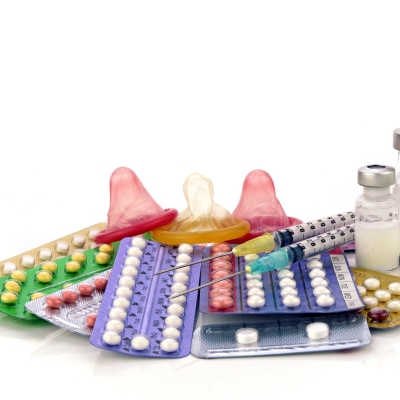
Birth control is offered in many varieties with different instructions, so it can be confusing for women to know that what they are doing is correct. By using birth control correctly, you can increase its effectiveness. Here are the different methods of birth control and the common errors or actions you should avoid to keep yourself protected. Hormonal Contraception Hormonal methods of birth control have a low chance of error if used correctly. The pill is a common choice, but the first mistake is selecting the wrong pill for your body and lifestyle. Call your doctor for an appointment today to explore options and make the right decision. Birth Control Pills Missing a pill or forgetting to take the pill for a couple of days can negatively affect the way it works. This common error can be helped with certain steps. If you forget your pill, take one as soon as you remember, even if that means you take 2 in one day. If you forget 2 days of pills, take 2 the day you remember and 2 the following day to get back on track. Use a backup method until your next period. A big “no, no” when using the pill is to avoid taking rifampin, a drug used to treat tuberculosis, as it interferes with the effectiveness of the pill. General antibiotics are fine; however, be sure to use another form of birth control if you need to take anti-seizure drugs, anti-HIV drugs, and some anti-fungal medications. The Patch The patch is less effective when you apply it at the wrong time of your cycle. To have high effectiveness, you must implement it on the first day of your menstrual cycle or the first Sunday following your period. Also, be cautious of the day you change your patch, and do not apply it to skin that is moisturized, has make-up, or is ultra dry. Vaginal Rings The vaginal ring releases hormones into the body the same way the pill does. A typical mistake is not inserting it within 5 days of the beginning of your period. You will also be at risk of getting pregnant while using the ring if you forget to remove it after 3 weeks and don’t replace it within 7 days. Condoms and Barrier Methods When using a female condom, common mistakes include not applying enough lubrication and not entering the penis directly into the condom. Make sure to remove the female condom carefully after sex to avoid leakage. With male condoms, effectiveness is decreased if you do not leave enough space at the tip or do not remove the air before intercourse. Never reuse condoms, and make sure to hold the base when withdrawing. Be sure to check the expiration date before use along with the size and fit. If a diaphragm is not the right size for you, then it will not be as effective. Be sure to consult your doctor with questions at any point when using contraception. A common mistake to avoid is leaving your diaphragm in for more than 30 hours. Plan to remove the diaphragm or sponge 6 hours after sex and no sooner. Intrauterine Devices (IUDs) With IUDs being almost mistake-proof, they are one of the most effective forms of birth control. However, as with the pill, the ring and the diaphragm, the IUD only protects users from pregnancy, not sexually transmitted infections. Error or lack of effectiveness can arise from not checking the placement of your IUD after insertion. Be sure to check for the string inside your vagina as directed by your physician. Do not use a copper IUD if you are allergic to copper. If you are not in a committed relationship and have multiple partners, the IUD may not be the right choice for you. Similarly, with other forms of birth control, do not use an IUD if you are pregnant. When taking contraception post-pregnancy, check with your OB for the best course of action. Final Thoughts If you are considering birth control or are currently unhappy with your contraception, call your doctor with questions or for an appointment to explore options. Birth control is primarily designed to protect you from an unwanted pregnancy. It does not provide STD protection, so always use condoms if you are not in a committed relationship or may be at risk for STD exposure. To increase the effectiveness of your birth control, make sure to educate yourself about the risks and follow the appropriate instructions.

vaginal discharge square
Well Woman

Vaginal Discharge – Should You Be Worried?

What is Vaginal Discharge and What Causes It? The vagina is similar to a corridor that leads from outside of woman’s body to her inner reproductive organs. The vagina and cervix contain tiny internal glands that create and secrete fluids. The purpose of these fluids is to wash away bacteria and dead cells. This natural cleansing process protects the vagina, and prevents infection, much the same way a kitchen sieve holds strawberries while a good rinsing flushes away harmful dirt, grit and anything else those berries might have been lying in as they grew. While vaginal discharge can be annoying, often staining and occasionally ruining those favorite, overpriced panties, it is a perfectly natural bodily function and should not be tampered with unless problems arise. If something interferes with the delicate balance of vaginal secretions, uncomfortable, painful and even serious infection may occur. What is Normal, Healthy Vaginal Discharge? Color: The color of healthy vaginal discharge can range from clear to milky white, the latter usually occurring during ovulation. It may also be clear with white stringy flecks. When dry, white discharge may turn yellow on underclothing.A bloody discharge is also perfectly normal during a woman’s period and is no cause for alarm. At times, droplets of blood can be mingled in with discharge between menstrual periods and this is known as spotting. Unless excessive, or accompanied by discomfort, this is also normal. Amount: The amount can vary anywhere from 20 mg to 60mg a day (yes, it feels like much more!) This can increase to about 600mg during ovulation. Increase in discharge can also occur during exercise, breastfeeding, contraceptive use, sexual arousal and even emotional stress. Vaginal discharge decreases at menopause due to lower estrogen levels. Consistency: The texture of normal discharge also fluctuates. During ovulation, it can be thin and watery. This texture is Nature’s way of enabling sperm to pass into the uterus allowing a better chance of fertilization. At other times, it is thicker, more acidic, and less hospitable towards sperm. This is temporary, just like a mild marital spat. Discharge texture varies depending on the body’s levels of the hormones estrogen and progesterone, both found in birth control pills. This is why women who take oral contraceptives produce thicker discharge, thus preventing unwanted pregnancy. During pregnancy, a thick mucus plug (operculum) forms inside the cervical canal. Containing antibacterial properties, its function is similar to that of a cork or safety seal for the uterus, protecting it from uterine fluid leakage or pathogen invasion. When dilation begins to occur before childbirth, the plug loosens and drops out, resembling discharge tinged with blood. Odor: Discharge odor can vary depending on medication, menstrual cycle, diet, activity, personal hygiene, pregnancy, lubricants, and hygienic cleansing products, but usually a slight musky, though not unpleasant odor is normal. Receiving oral sex can sometimes produce a different odor. When Should You See Your Doctor? Although vaginal discharge is vital in maintaining optimal health of the reproductive organs, the delicate Ph balance can sometimes be compromised leading to infection. Infections may occur at any time, but are more likely to happen when the Ph balance is less acidic, right before or during menstruation. If you experience any of the following symptoms, see your doctor. These can possibly be indications of infections or sexually transmitted diseases such as Bacterial Vaginosis, Yeast Infection(Candida), Pelvic Inflammatory Disease, Human Papillomavirus, Trichomoniasis, Gonorrhea, or Chlamydia –to name a few: • Pain or inflammation accompanying discharge• Redness in vulvar or vaginal areas• Strong unpleasant smelling discharge immediately after intercourse• Burning or itching• Rash• Burning while urinating• A cottage cheese like texture.• Thick, lumpy, or pasty discharge• Foul smelling green, yellow, grey, or cloudy discharge• Excessive or recurring brown or bloody discharge, especially when not on your menstrual cycle• Strong, foul, fishy odor• Watery discharge• Any unusual discharge accompanied by abdominal pain, uncommon fatigue, fever, sudden weight loss, and increased urination.• Blisters or sores in the vaginal or vulvar area.• Painful intercourse Treatment After a brief medical examination which is usually enough to identify the problem, your doctor may request additional tests to analyze skin, cervical or discharge samples. When the problem is identified, most vaginal discharge abnormalities can be treated with prescription medications such as antibiotics, creams, antifungals, or suppositories. These should always be taken for the full amount of time prescribed by your doctor, no matter how much better you feel. In some cases, it may be necessary to treat both the patient and her sexual partner, and both may be asked to refrain from sexual intercourse until treatment is successfully completed. If symptoms persist after medication is completed, a follow up visit may be necessary. Over the counter medications are available for common yeast infections, but should be avoided if pregnant unless approved by a physician. Abnormal discharge may be indicative of some cancers, but this is rare. How You Can Help Prevent Problems • Use condoms, especially with new sexual partners.• Have an annual pap smear to screen for possible cancer. It’s only uncomfortable for a minute• Keep the genital area dry and clean with regular bathing, showering and gentle wiping from front to back after urination or defecation.• Avoid harsh soaps, feminine sprays, powders, chemicals or douches around the vaginal area. They can may upset the Ph balance and kill important bacteria. Being field flower fresh can sometimes do more harm than good• Avoid deodorized pads and tampons, especially those discount store brands that can be smelled before you enter a room.• Wear absorbent cotton underwear, and save the sexy, synthetic ones for special occasions unless they have a cotton crotch piece.• Be vigilant when you wear tampons. Anyone can forget, especially near the end of a period when there is little or no blood. It happens more often that women think.• Use products designed specifically for vaginal lubrication. Avoid petroleum jelly or other household lubricants your grandmother suggested.• Eat a healthy, well balanced diet and drink plenty of fluids. Yogurt containing live cultures

© Copyright 2024 Cherokee Women’s Health Specialists
Scroll to Top