pms

woman-with-pms-painful-period_201847138
Bleeding Education, Menopause and Hormone Therapy

PMS Explained

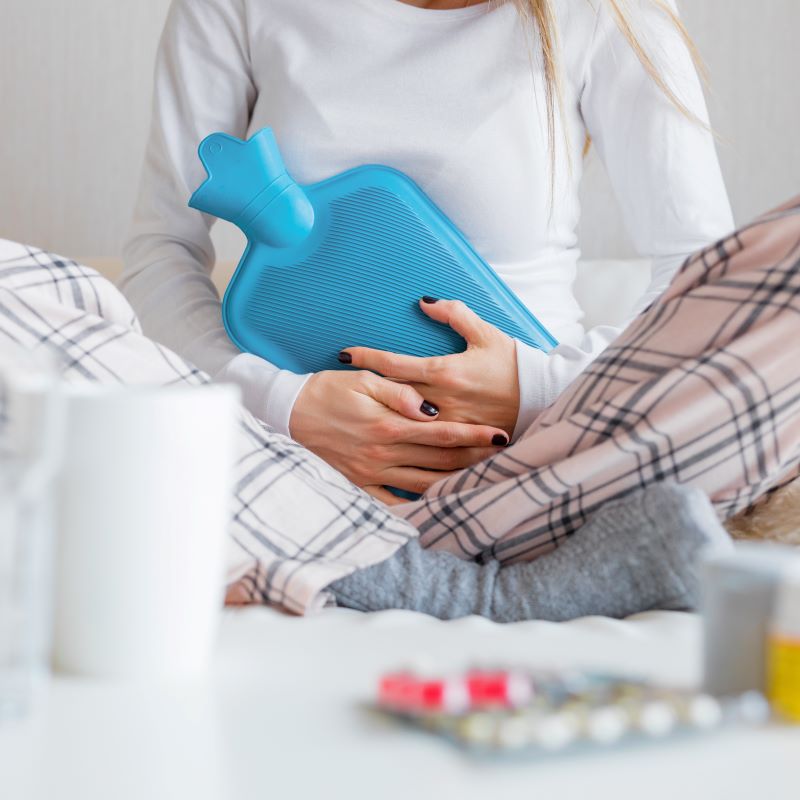
PMS (premenstrual syndrome) affects most women at one time or another. In fact, it’s estimated that three out of four women suffer from PMS regularly. What is PMS? Premenstrual syndrome refers to a cluster of physical and emotional changes a woman undergoes during the two weeks before bleeding actually occurs. This time frame is referred to as the ‘luteal cycle’. At the onset of her period, symptoms usually disappear. What Are the Symptoms of PMS? Symptoms of PMS are numerous and may include any or all of the following: What Causes PMS? The exact cause has not been pinpointed, but lowering levels of the sex hormones, estrogen and progesterone are believed to be key factors. Serotonin, a neurotransmitter responsible for feelings of well-being and happiness, also drops. Though this is a natural process, and necessary to prepare the body for reproduction, the monthly depletion can cause a hormonal imbalance, wreaking havoc on women physically and emotionally. If you are experiencing extreme discomfort and PMS is negatively affecting you physically and psychologically, do not hesitate to see your doctor. What is Dysphoric Menstrual Syndrome? Most women have mild to moderate cases of PMS which can be annoying, or at most, uncomfortable. These symptoms cause little or no disruption in their daily routines, and usually does not warrant medical help. However, about 5% of women with PMS suffer from what is categorised as dysphoric menstrual syndrome (PMDD), which is a far more severe and negatively impacts their lives. These women require more aggressive psychological or medicinal intervention. The criteria to meet the diagnosis of PMDD is that the patient has at least five of the emotional symptoms mentioned above during their luteal cycle. The presence of these symptoms is usually more exaggerated. These are a few that we look for: Approximately another 20% meet the definition of ‘subthreshold’ PMDD, meaning that they may be monitored diligently to avoid full-blown PMDD. This particular disorder is classified as ‘menstrually related mood disorder’ (MRMD) and may also need some medicinal or psychological treatment. Like PMS, hormone dissipation during the menstrual cycle may be the underlying cause. Are There Any Tests That Accurately Diagnose PMS? There are no specific lab tests to diagnose premenstrual syndrome. Instead, we’ll need to study your medical history to establish if you are suffering from it. It is very important to be completely truthful so that we can help you. We know that some of these symptoms may be frightening to you, and perhaps, at times, embarrassing to discuss, but getting the full picture allows us to give you the best and most effective advice and care. Keeping a diary of your symptoms for a few months helps. Three of the main things we look for are: Even jotting down specific odd thoughts and ideas, levels of fatigue, etc., can be helpful. This allows us to properly determine which hormonal imbalance is affecting you more and enable us to deal with the more troublesome symptoms accordingly. Remember to list the dates as these symptoms occurred, and exactly when menstruation itself began and ended. Can PMS be Treated? Mild to moderate PMS can be fairly easily managed with a few lifestyle changes and over-the-counter pain relievers. Heating pads or warm baths may help with pain, and ice packs with headaches. Topical rubs and ointments can reduce inflammation and joint pain. You may be advised to limit or completely eliminate salt, alcohol, caffeine, sugar and any artificial sweeteners as they contribute to many sleep and anxiety issues. Other recommendations to help alleviate PMS symptoms are: Some herbs and supplements may counteract PMS symptoms, although some have not been studied fully so it’s always best to get these from a healthy diet instead. Before taking them, it is recommended that you speak to your physician. Though they may help, the medications you already take may interact with them and cause adverse, sometimes dangerous interactions. Here is a list of the vitamins, herbs and supplements and the symptoms they may alleviate: For more severe PMS, your doctor may prescribe one or more of the following: How Can Cherokee Women’s Health Specialists Help Me? Because we deal with women’s health issues daily, we are aware of the debilitating effects of PMS. We would never minimize the detrimental influence it can have on you and yours. We are here to offer counsel, diagnosis, empathy, and treatment, using all our expertise and knowledge of the most up-to-date information medical science has to offer. Our staff includes three doubly accredited urogynecologists with the outstanding certification in OB/GYN and Female Pelvic Medicine and Reconstructive Surgery (FPMRS). This qualifies us to diagnose and treat all your female-related problems. Additionally, our staff includes specialists in other fields related to a women’s unique needs. To book an appointment to further discuss your PMS symptoms, call 770.720.7733.

young woman cramps
GYN Problems

How to Treat Cramps

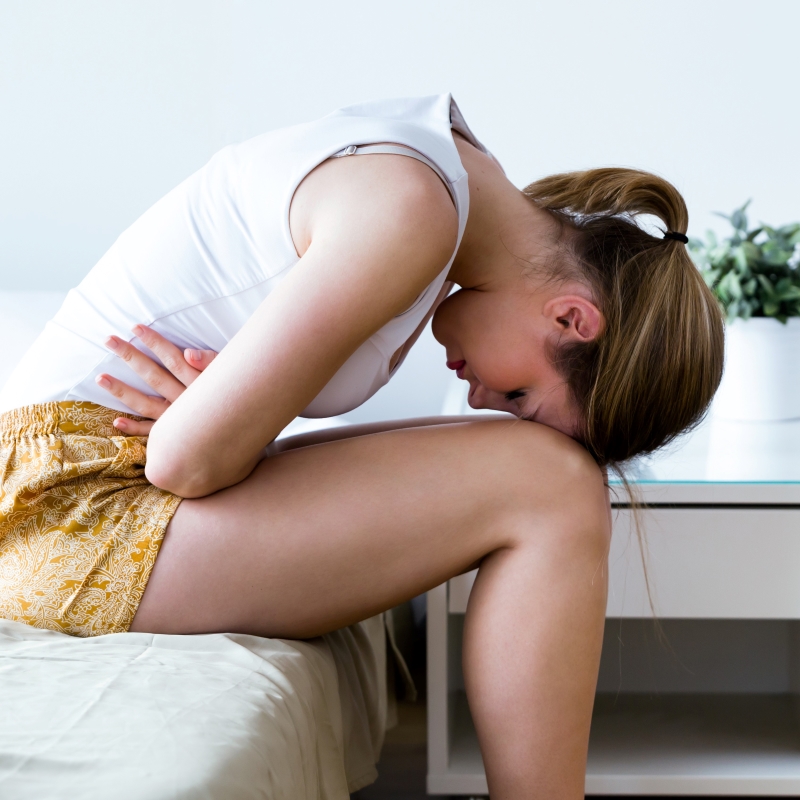
Women have been debating for centuries on the best ways to treat their period cramps. Fortunately, you no longer have to rely on ‘old-wives-tales’ for dealing with pain associated with cramps. Instead, you can make informed decisions based on medical evidence. While every woman’s body responds differently to each of the methods below, you’re certain to find at least one that works for you. Once you do, stick with it and take control over your life again. Dull throbbing pain, sharp pains that take your breath away or even nausea and radiating lower back pain can be resolved by simple changes to your routine. Lifestyle Changes to Treat Period Cramps Making proper lifestyle changes can help lessen the pain associated with menstrual cramps. Adding diet and exercise to your daily routine is one of the best ways to alleviate pain and stress that comes with your monthly cycle. Let’s take a look at some of the best ways to incorporate lifestyle changes into your routine so that you’ll be able to get through your period with reduced cramping. Food for Cramps Some of the best foods to help treat cramps due to PMS are loaded with healthy fats and lots of water. Before and during your period, your uterus begins to contract and prepare to dispel its lining. During this time you’ll experience cramping but there are certain dietary changes you can determine the level of pain you feel. When shopping for foods that will lessen the severity of your menstrual cramps, try some that contain higher levels of the following: Vitamin E Omega-3 Fatty Acids Vitamin B-1 (thiamine) Vitamin B-6 Magnesium Let’s go over a few specific foods that are ideal for eating during PMS and throughout your menstruation that keeps you feeling as good as possible. Foods that are low-fat and high-fiber are going to be your best bet. Whole grains Lentils and beans Fruits Nuts Dark leafy vegetables And of course, don’t forget to load up on lots of water! Remember, avoiding alcohol and tobacco during your period is another great way to reduce hurting from cramps. Comfort foods that contain high levels of salt or fat can also have adverse effects on cramps. Exercises for Cramps Some studies have shown that physical activity can combat hormone-like substances that can cause cramps. Many exercises can also help alleviate muscle tension and reduce inflammation which can lessen the severity of your period cramps. Any exercises that deal specifically with your ‘core’ are ideal for stretching and relieving painful cramps. For example, there are many yoga poses that don’t have to be strenuous to be effective. Physical activity also releases endorphins that make you feel good overall. So, why not? Take a spin class or walk to work during your period. Other Home Remedies for Menstrual Cramps There are several things you can do at home before seeing a doctor to get your menstrual cramps under control and take your life back. Today we’ll go over a few traditional methods, along with a couple alternative ways to reduce pain associated with cramps. Over the counter medicine. Taking anti-inflammatory pills or medication designed to reduce pain such as Ibuprofen (Advil/Motrin), Aspirin (Tylenol), or Naproxen (Aleve) can combat your PMS symptoms. Apply heat. Heat works in several ways to reduce your pain. It relieves muscle tension and relaxes your entire body. Take a long, hot bath, or apply a heating pad/patch to your lower abdomen for optimal results. Many experts agree that heat may be just as effective for treatment of cramps as over the counter medication. Elevate legs. Lay on your back or side with a pillow supporting and elevating your legs from the knee up. Try pads instead of tampons. During the most painful times of your menstrual period, you may want to consider using a pad as opposed to a tampon to prevent additional pressure. Acupuncture or acupressure. Many women swear by these treatments for their period cramps. Always, consult an expert when attempting alternative treatments for cramps such as these. It’s important to remember, there’s no one way to treat cramps for every woman. Find the treatment that works for you and stick to it! When to See a Doctor for Your Cramps While most women won’t need to see a doctor for their cramps, there are several instances that require attention. For example, if your period cramps are so unbearable that they are affecting your daily life, it may be time to speak with your doctor. Generally, lifestyle changes such as diet and exercise or over the counter medicine provide enough relief that you will never need to see your OB/GYN. However, you should seek medical attention as soon as possible if you’re experiencing any of the following issues. Cramps that last longer than your period. Menstrual cramps that take over your life. Cramps that become progressively worse. Home remedies are having no effect on the severity of cramps. Women over the age of 25 who recently started to have severe cramps due to period. Your doctor may find that the cramps you have are related to an underlying disorder. In most cases, they will offer you a prescription drug for pain, or a hormonal birth control to reduce symptoms. However, for severe problems, surgery may even be required to correct the issue. Final Thoughts Experiencing monthly cramps that take over your life isn’t something that you should have to deal with. Use some of the above home remedies to alleviate stress and pain due to cramps and take back your life. If you’re concerned about the severity of your cramps before or during your period, don’t hesitate to give us a call. Our staff is more than happy to answer any questions you may have and schedule an appointment with your OB-GYN.

© Copyright 2024 Cherokee Women’s Health Specialists
Scroll to Top