My Life with PCOS – A Patient’s Story
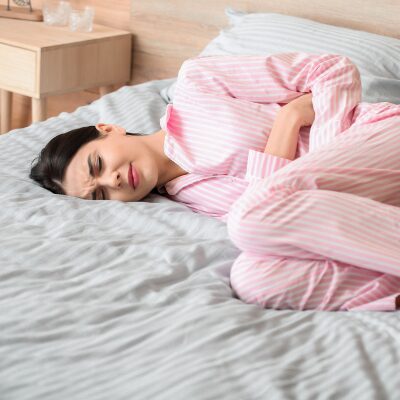
Elizabeth was diagnosed with PCOS at just 23, even though she’d had symptoms since she was 11. Polycystic ovary syndrome (PCOS) is a health problem that affects 1 in 10 women of childbearing age. PCOS can happen at any age after puberty, but most women don’t discover they have it until their 20s and 30s – when they have problems getting pregnant. We were fortunate to hear Elizabeth’s story which includes her struggles of living with symptoms of PCOS and finding a doctor that would take her symptoms seriously. Heavy Bleeding and Painful Periods Elizabeth was in the sixth grade and 11 years old when she had her first period, which is a relatively normal age to experience your first menstrual cycle. “It may be odd that I can remember the exact month and year that I got my first period. Maybe it’s because I didn’t realize I had started my period. And when my mom confirmed that’s what it was, I couldn’t stop crying,” Elizabeth recalls. “I don’t remember having considerable pain, but my mom would have to pick me up from school because my period would surprise me, and I would bleed through my pants. It was terribly embarrassing.” – Elizabeth Even though Elizabeth’s periods were very irregular and spaced out, she experienced no other symptoms so her mom figured they would become regular and ’even out’ as Elizabeth entered high school. However, Elizabeth couldn’t help but notice she was the only one of her friend group to have problems. “Is this normal”, Elizabeth began to question. My Pediatrician Classified Me as Overweight, But Provided No Help Unfortunately, Elizabeth’s symptoms didn’t ‘even out’ at all – in fact, they got worse. Her symptoms included weight gain and very painful periods. “My self-esteem plummeted. I was classified as overweight by my pediatrician, and I was noticeably larger than my friends,” she explains. The most frustrating part was that it didn’t seem to make sense. After all, she was very physically active. She lifted weights, played rugby and even carefully watched her diet. Heavy bleeding and severe pain plagued Elizabeth during her menstrual cycle, which came only every three to four months. She and her mom just assumed it was irregular due to her active lifestyle. However, that didn’t explain the intense pain and heavy bleeding. In fact, they were so severe that she couldn’t attend school, go outside, or even move during the first day of her menstrual cycle. “It was so bad. My mom would take the day off of work to tend to me, because I was in so much pain. Over-the-counter pain medication wouldn’t even take the edge off. I would just rock back and forth on the couch all day, dragging myself to the bathroom to change my menstrual pad or to vomit.” – Elizabeth I Just Learned to Live with the Pain and Heavy Bleeding Elizabeth said she learned to just deal with the symptoms and found ways to work around them. It was mainly the first day of her cycle that she was out-of-commission, so on those days, her teachers and coaches were very understanding and would let her go home without any penalties. Again, Elizabeth and her mom hoped her symptoms would simply ‘level out’ as Elizabeth became older. As Elizabeth was preparing to go off to college, she knew she had to do something. If the first day of her period fell on a day where she had class or an exam, she would be in major trouble. She had heard birth control could help ease the pain and bleeding of periods, so she scheduled an appointment with the school’s GYN. The gynecologist ran bloodwork and performed an annual exam. The results shocked Elizabeth – the bloodwork revealed that she had high testosterone levels! After Elizabeth spoke to her mother about her results, Elizabeth discovered her mom had polycystic ovary syndrome. “You’d think this is when I would be diagnosed with PCOS, right? Unfortunately, my GYN at the time told me it would be useless to do further testing since, as she put it, ‘I didn’t want to have kids yet and I was going on birth control anyway.’” Finally, the GYN at Cherokee Women’s Health Diagnosed Me With PCOS As Elizabeth was attending college, she noticed her pain and heavy bleeding were relieved, but she was very fatigued, and was eventually diagnosed with depression. After graduation, Elizabeth moved to Woodstock, GA, where she discovered Cherokee Women’s Health Specialists. After visiting a gynecologist and having more bloodwork tests, she was diagnosed with polycystic ovary syndrome. “Even though I suspected I had PCOS for a while, it was a major relief to get a formal diagnosis. I was much kinder to myself and was excited to finally stop suffering from my symptoms.” Receiving a Treatment Plan for PCOS Her doctor discussed the different treatment options, and together they chose the best option for her situation. Each patient diagnosed with PCOS has different symptoms and is in various phases of life. Discussing the treatment plans with your physician is the best way to manage and control your PCOS symptoms to be able to enjoy the best quality of life. Our GYNs Can Help Diagnose Female Health Issues Polycystic ovary syndrome is not a health condition that can go away, so make an appointment with your gynecologist. They will help rule out other potential causes and come up with a treatment plan. At Cherokee Women’s Health, our board-certified OB/GYNs are very experienced in diagnosing and treating symptoms of PCOS. schedule an appointment online or call us today at 770.720.7733.
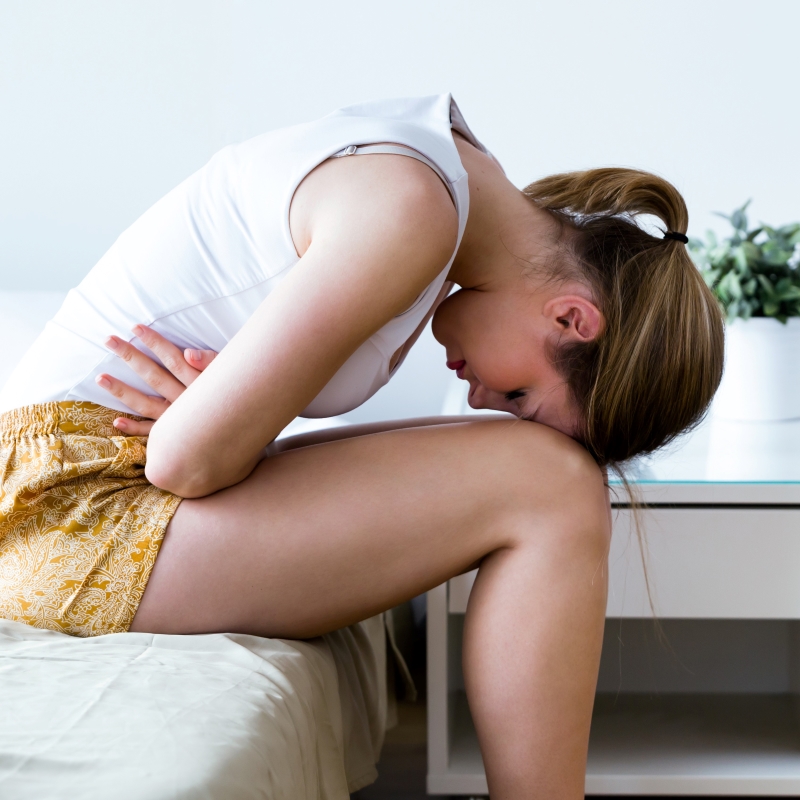
Painful Periods and Endometriosis
Endometriosis is a condition where tissue from the lining of the uterus, called the endometrium, forms and grows in places outside the uterus. These growths may lead to pain and infertility. Up to 50% of women who have endometriosis may experience infertility. If you had painful periods as a teenager, it is very likely you have endometriosis. This problem often goes undiagnosed because women “get used to” the pain. Symptoms of Endometriosis In endometriosis, displaced endometrial tissue continues to act as it normally would — it thickens, breaks down and bleeds with each menstrual cycle. Because this displaced tissue has no way to exit your body, it becomes trapped. When endometriosis involves the ovaries, cysts called endometriomas may form. Surrounding tissue can become irritated, eventually developing scar tissue and adhesions — abnormal tissue that binds organs together. Endometriosis can cause pain — sometimes severe — especially during your period. Fertility problems also may develop. Fortunately, effective treatments are available. Causes of Endometriosis The exact cause of endometriosis is not known. However, possible causes include the following: When to Call Your Doctor If you develop sudden, severe pelvic pain, call your doctor immediately. Call a doctor to schedule an appointment if: Treatment Options There is no cure for endometriosis, but treatment can help with pain and infertility. Treatment depends on how severe your symptoms are and whether you want to get pregnant. If you have pain only, hormone therapy to lower your body’s estrogen levels will shrink the implants and may reduce pain. If you want to become pregnant, having surgery, infertility treatment, or both may help. Not all women with endometriosis have pain. And endometriosis doesn’t always get worse over time. During pregnancy, it usually improves, as it does after menopause. If you have mild pain, have no plans for a future pregnancy, or are near menopause (around age 50), you may not feel a need for treatment. The decision is up to you. Medicines If you have pain or bleeding but aren’t planning to get pregnant soon, birth control hormones (patch, pills, or ring) or anti-inflammatories (NSAIDs) may be all that you need to control pain. Birth control hormones are likely to keep endometriosis from getting worse. If you have severe symptoms or if birth control hormones and NSAIDs don’t work, you might try a stronger hormone therapy. Besides medicine, you can try other things at home to help with the pain. For example, you can apply heat to your belly, or you can exercise regularly. Surgery If hormone therapy doesn’t work or if growths are affecting other organs, surgery is the next step. It removes endometrial growths and scar tissue. This can usually be done through one or more small incisions, using laparoscopy. Laparoscopy can improve pain and your chance for pregnancy. In severe cases, removing the uterus and ovaries (hysterectomy and oophorectomy) is an option. This surgery causes early menopause. It is only used when you have no pregnancy plans and have had little relief from other treatments. We Can Help As OB/GYNs, we specialize in protecting your fertility and providing treatment to relieve physical suffering. Our three board certified specialists in Female Pelvic Medicine and Reconstructive Surgery (FPMRS) provide an exceptional level of expertise you won’t find in any other OB/GYN practice in the Southeast. Please contact us today to schedule your appointment by calling 770.720.7733 or schedule an appointment online.