OB/GYN Dr. James Haley

placental abruption_324535153
OB

Placental Abruption: Symptoms and Risk Factors

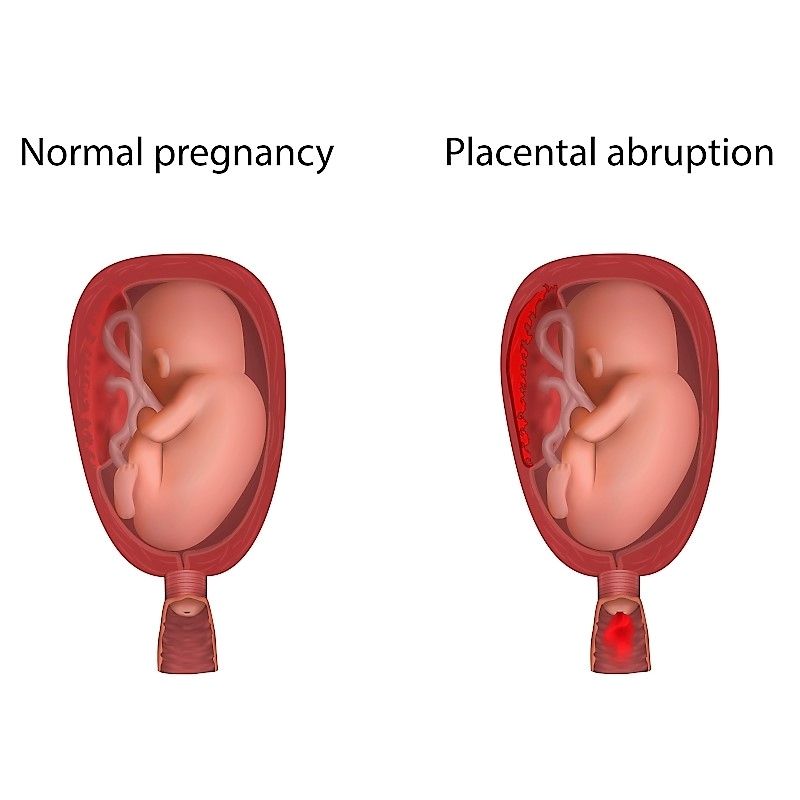
Placental abruption requires immediate care since the baby may not be receiving enough oxygen. Placenta abruption occurs when the placenta detaches from the uterine wall before or during labor. The placenta is an organ that provides nutrients to the baby in the womb. Placental abruption can cause vaginal bleeding and pain. Without prompt medical treatment, a severe case of placental abruption can have dire consequences for the mother and her unborn child. Symptoms When any symptoms occur, it is usually sudden. The main symptom of placental abruption is vaginal bleeding. However, vaginal bleeding doesn’t apply to all women, as 20 percent don’t experience any. Some of the symptoms and signs of placental abruption include: Continuous lower back and abdominal pain Painful abdomen (belly) when touched Tender and hard uterus Fetal distress Risk Factors While the exact cause of placenta abruption is unknown in most cases, certain factors make a pregnancy more at risk to placental abruption. Risk factors may include: Advanced maternal age Being pregnant with multiple babies Having a history of high blood pressure or previous abruptions Excessive amniotic fluid Uterine infection Substance use. In most cases, doctors don’t know the exact cause or causes of placental abruption. However, having one or more of these risk factors doesn’t mean you’ll experience a placental abruption. Diagnosis If you are experiencing any bleeding or abdominal pain, contact your doctor right away. Placental abruption can only truly be diagnosed after birth when the placenta can be examined. There are a few methods that are used to try to make this diagnosis during pregnancy so that proper treatment can be applied. Including: Ultrasound Blood tests Fetal monitoring Evaluation of symptoms (bleeding, pain, etc.). Complications In severe cases, complications of placental abruption can include: Stillbirth Decreased oxygen to the baby, which can lead to brain damage Maternal blood loss leading to shock Emergency hysterectomy Maternal death from severe blood loss. Placenta Abruption Treatment Unfortunately, there is no way to reattach the placenta once it’s detached, or no treatment plan that can stop it. The treatment depends on the severity of the separation, location of the separation and the age of the pregnancy. In the case of partial separation, usually less than 34 weeks, bed rest and close monitoring may be prescribed. In some cases, emergency treatment and hospital admission may be needed as well. In the case with a complete separation, usually more than 34 weeks, delivery is often the safest course of action. Depending on the stability of the baby, an immediate C-section may be necessary. The mother might also need a blood transfusion. We’re Here for You and Your Baby Call your doctor immediately if you experience bleeding in your third trimester. The outcome of a placental abruption diagnosis is improved with fast and accurate treatment. While placental abruptions can’t exactly be foreseen, here at Cherokee Women’s Health Specialists, our board-certified OB/GYNS are experts in high-risk pregnancies. Call us today at 770.720.7733 or schedule an appointment online.

Hospital Home Birth photo_235949027
Midwife Education, OB

Hospital “Home Birth”? Yes, You Can!

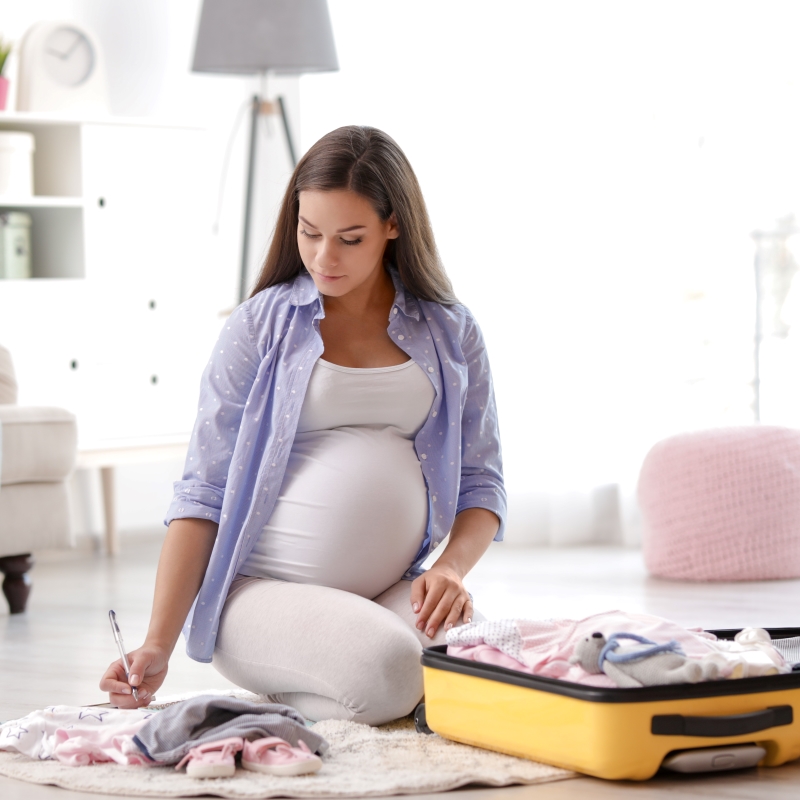
Can you have a “home birth” in a hospital? Yes, you can! As OB/GYNs, we help deliver a home birth experience while in the safety of a hospital. It’s the best of both worlds. We Want You to Have the Best “Home Delivery” Experience in a Hospital Home births have become increasingly popular among expectant moms, especially since the pandemic. Approximately 1% of all U.S. births are delivered at home, and statistics show that number is on the rise. But for the safety of pregnant moms and their babies, an “at home style” delivery in the hospital is the preferred option by OB/GYNs, especially by the doctors at Cherokee Women’s Health Specialists. The doctors and midwives at Cherokee Women’s Health work together with you as a team to accommodate your individual birth plan. The state-of-the-art facility at Northside Hospital Cherokee has a top-notch Women’s Center and a Level 3 NICU. We are fully equipped and ready for any dangers that arise, but ultimately, we desire to give you the closest type of birth possible to what you would experience at home. We believe each pregnant mother is special and deserves individualized family centered care. There are many options for a labor experience, and we will make every attempt to accommodate your preferences to make your labor desires come to fruition. It’s your body, your baby, and your birth – so we want and expect you to have your best experience for your pregnancy journey and birth. Why Should You Deliver in a Hospital? The American College of Obstetrics and Gynecology firmly states that the safest option for mom and baby are in a hospital or birthing center. The American Academy of Pediatrics concurs that babies are best born in the hospital to ensure the safest and healthiest outcome. The health and safety of mom and baby are of upmost priority — so taking the necessary precautions by being in a hospital are recommended by experienced doctors. James Haley, MD, FACOG, FPMRS of Cherokee Women’s Health has delivered nearly 10,000 babies during his career as an OB/GYN. He shares candidly about the dangers of home births: “We work together with expectant mothers to make all of the best plans for how a delivery will go. Childbirth, as we know, doesn’t always go smoothly or as planned. Occasionally, a medical crisis arises that causes the entire team of doctors and nurses to jump into immediate action, work together like nothing you’ve ever seen — all to get that baby out in 2-3 minutes to save its life, while also trying to take care of the mother and keep her safe. I have personally seen hundreds of babies that would have died, had the patient not been at the hospital just at that moment.” – Dr. James Haley on the importance of delivering in a hospital Preparing For Your “At Home Style” Delivery No one can tell you what your birth experience will be like, but we can help you feel prepared, confident, and ready for the birth of your baby. At Cherokee Women’s, we have an OB patient VIP program for all newly pregnant mothers, where you are given the opportunity to have all your questions answered and are given all the information you need to guide you throughout your pregnancy journey. You can create your own birth plan, unique to you and your wishes. We check on you often throughout your pregnancy – in addition to all the regular visits, to make sure that your pregnancy and birth plan are meeting your expectations. For those that opt for a natural birth, we offer unmedicated births. Our medical team is very willing to offer intermittent monitoring and variable laboring positions, among the many other requests according to your specialized birth plan. We also have the expertise of one of our physicians, Lisa McLeod, DO, FACOOG, who specializes in osteopathic manipulation to help women in labor and delivery. Her unique obstetrical training in holistic treatment has been valuable to patients wanting a natural approach to childbirth. As part of the planning process, we recommend attending maternity classes at Northside Hospital so that you can learn about the options available to make your childbirth as close to a home birth as possible. You will learn what to expect during delivery and all the options available to make your birthing experience your own. You also can learn what you need to know about breastfeeding, infant CPR, and you will be given answers to your questions through evidence-based education and support. It is important to educate yourself during pregnancy by attending classes, sharing with others who have similar concerns and learning what to expect so that during labor and after birth, you understand what’s going on and can make decisions with your doctors and midwives. Natural Hospital Birth: It Can be Done! You really can have the natural birth you are hoping for even if you must be at the hospital. You can enjoy the experience of working with your body to birth your baby in collaboration with your team of doctors, midwives, and nurses who are there to ensure you have a safe delivery.

© Copyright 2024 Cherokee Women’s Health Specialists
Scroll to Top