
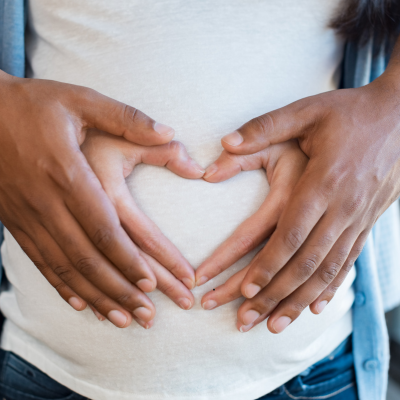
healthy pregnancy

pregnant couple
OB

Is Sex Safe During Pregnancy?

It’s completely normal to be worried about protecting the health and safety of your developing baby. Many couples, especially first-time parents, worry about how pursuing intimacy in their relationship will affect the little one growing inside mama. Which brings us to the age-old question. Is sex safe during pregnancy? The simple answer is yes, for normal pregnancies sex while your pregnant is fine. However, there are a few things you should be aware of before jumping into the sack. Change in Your Libido While some women crave sex during pregnancy, it’s the last thing on other women’s minds. Pregnancy can affect your body in ways you’d never expect. So, based on your hormonal functions, you may not be in the mood. Some things that can have an effect on your libido early on during pregnancy include: Later in your pregnancy, things such as weight gain, and back pain can dampen your enthusiasm for sexual intercourse. Keep in mind, your partner can be affected by your pregnancy as well. Their desires may be toned down to fatigue, or simply anxious about hurting the baby during intercourse. When is Sex Safe During Pregnancy? For the most part, sex during pregnancy is completely safe for everyone involved. Your developing baby is protected by both the amniotic fluid in your uterus and the strong muscles of the uterus itself. Sexual activity won’t affect the baby in the least. You may be wondering about alternative forms of sex as well. While some alternative sexual activities are completely safe for both you and baby, others might be more detrimental to your health. If you are pregnant and plan to have sex with someone you are not in a monogamous relationship with, using condoms is recommended to protect against possible transmission of STDs. Any sexual position that you feel comfortable is completely safe. However, towards the second trimester, you’ll likely feel more comfortable in positions that are not directly putting pressure on your back. When is Abstinence Recommended? During your final weeks of pregnancy, your doctor may suggest abstaining from sex. Both female orgasms and semen can stimulate contractions. This is due to the release of a chemical called prostaglandins which is said to trigger contractions when you’re close to your due date late in the third trimester. If you have a history of pre-term labor or have any of the following conditions your doctor will likely recommend practicing abstinence during the remainder of your pregnancy. Sex with a partner that has been diagnosed with an STD or STI should be avoided due to possible risk of your or your baby contracting the STD. At the very least, it’s important to use protection as always when any sexual activity with a person that has been diagnosed with any STD. Final Thoughts While usually, sex is safe during pregnancy. However, there are certain conditions that may require abstinence. Experiment with a mixture of positions throughout your pregnancy that offer the most support and comfort during sexual activities. Don’t hesitate to give us a call to schedule an appointment with your doctor. Our caring staff is always available to answer any questions or concerns via phone regarding sexual intercourse during your pregnancy as well.
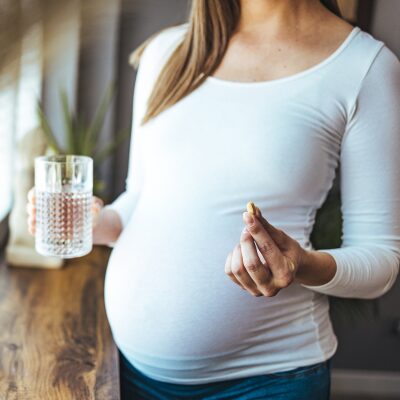

prenatal vitamins
OB

Are Prenatal Vitamins Really Necessary?

Healthy nutrition is important throughout life, and especially during pregnancy. Even with a wide variety of whole foods, a mother and baby may require nutrients above and beyond what is contained in food. Think of prenatal vitamins as insurance to make sure you are getting all of the essential nutrients during pregnancy. Whether currently pregnant or planning to become pregnant, women can benefit from taking prenatal vitamin and mineral supplements as early as possible. It is particularly important if you meet any of the following criteria: Follow a vegetarian or vegan diet Are lactose intolerant or have other food intolerance Smoke or abuse other substances Have a blood disorder Have an eating disorder Experience chronic disease Have had gastric bypass surgery Are having twins or higher multiples Even if you do not fall into these categories, ensuring you get all of your nutrient requirements daily will help give you optimal strength and energy levels. It will also give your baby the best head start possible during all of the important stages of development in the womb. Important Vitamins and Minerals Before and During Pregnancy You may be wondering which nutrients are especially important when pregnant, and how to choose the best supplement. Consult with your health provider to discuss your individual needs and which prenatal vitamins you should take before, during and after pregnancy. Many pregnant women do not get enough of this mineral from their diet to meet the body’s increased need. This can lead to a deficiency called anemia, in which the blood has a low number of healthy red blood cells. Iron supports the baby’s growth and development and can cut your risk for preterm delivery, low birth weight and even infant mortality. Folic Acid. This B vitamin is important to take even if you are in the planning stages of conceiving. The body absorbs the synthetic version of folic acid better than the natural one typically found in food, so even with a balanced diet, a folic acid supplement is recommended. It can reduce your baby’s risk of neural tube, heart, and other defects. Iodine is important for healthy thyroid function during pregnancy. It can also lower the risk of miscarriage, stillbirth and stunted fetal growth and development. Calcium helps your baby grow a healthy heart, strong bones, and teeth, nerves, and muscles as well as develop a normal heart rhythm. It can also reduce your risk of hypertension and preeclampsia. This mineral is important even after you give birth and if you are breastfeeding. Vitamin D. This vitamin is necessary for the absorption and metabolism of Calcium and Phosphorus. It is beneficial for immune function, healthy cell division and bone health in both mother and baby. You may be wondering if you should be concerned about other nutrients. Not all prenatal vitamins include omega-3 fatty acids which may help promote your baby’s brain development. Your health care provider may recommend this or other supplements, particularly if you do not eat fish or other omega-3 rich foods. Which Prenatal Vitamin Should I Take? There are many prenatal vitamins available in pharmacies to purchase over-the-counter. Consult with your health care provider if you are unsure which specific brand best meets your needs. He or she may recommend a prenatal vitamin that has the proper doses of nutrients for your particular circumstance. Final Thoughts If you still have questions or concerns about prenatal vitamins, don’t hesitate to contact us. Our physicians at Northside Hospital Cherokee provide nutritional counseling and can quickly get you on the right path to the proper allotment of vitamins and supplements for you and your little one on the way.

© Copyright 2024 Cherokee Women’s Health Specialists
Scroll to Top