
teen gyn

teen-with-endometriosis_215073196
GYN Problems, Teen GYN Education

Endometriosis in Teen Girls

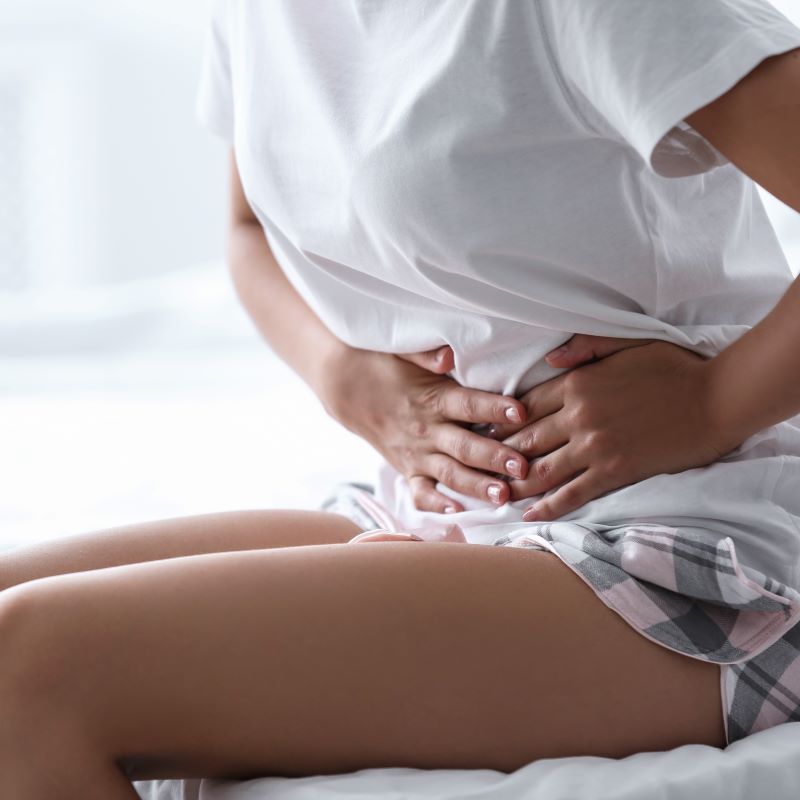
Endometriosis in teen girls can result in painful symptoms, and even infertility. Endometriosis is a common gynecological condition that affects women of all ages, including teenagers. It is characterized by the growth of tissue that normally lines the inside of the uterus (endometrium) outside the uterus. This tissue can grow on the ovaries, fallopian tubes, bowel, bladder, and other organs in the pelvis. Endometriosis affects an estimated 10% of women worldwide, but it often takes years to be diagnosed. This is particularly true for teenage girls, who may not recognize the symptoms of endometriosis or may not seek medical help for their symptoms. Endometriosis Symptoms Endometriosis symptoms can vary greatly, but common symptoms include: For teenage girls, endometriosis can be particularly challenging because they may not have developed a regular menstrual cycle yet. Some girls may experience painful periods from the start of menstruation, while others may develop symptoms over time. If a teenage girl has symptoms of endometriosis, it is important to see a gynecologist who can provide an accurate diagnosis and appropriate treatment. Diagnosis often involves a physical exam, medical history, and imaging tests such as an ultrasound. In some cases, a laparoscopy may be necessary to confirm the diagnosis. Treatment for endometriosis in teenagers may involve medications to relieve pain and inflammation, hormone therapy to regulate the menstrual cycle and reduce the growth of endometrial tissue, or surgery to remove the tissue. In some cases, a combination of treatments may be necessary. Managing Endometriosis In addition to medical treatment, there are lifestyle changes that can help manage endometriosis symptoms. These may include: It is important for teenage girls with endometriosis to have a support system, whether it is family, friends, or a support group. Coping with endometriosis can be difficult, both physically and emotionally, and having a support system can make a big difference. See Your GYN for an Early Diagnosis If a teenage girl has symptoms of endometriosis, it is important to see a GYN for an accurate diagnosis and appropriate treatment. With the right medical care and lifestyle changes, girls with endometriosis can manage their symptoms and live healthy, fulfilling lives.

teen-with-ovarian-cyst_504262275
GYN Problems, Teen GYN Education

Ovarian Cysts in Teens

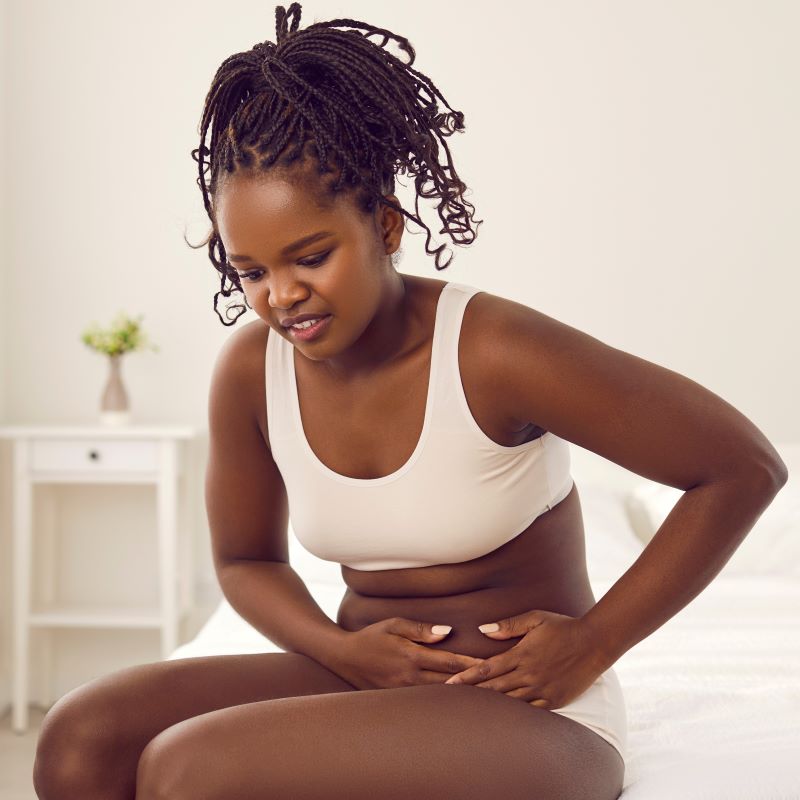
Functional ovarian cysts are quite normal and are expected each month in adolescent girls and young women. However, non-functional cysts can also occur. These types of cysts can be malignant and cause serious problems, even in young girls. What is an Ovarian Cyst? An ovarian cyst is a pouch filled with fluid or other tissue that can form on one or both ovaries. They are very common in women during their childbearing years, which means they affect teen girls as well. While an ovarian cyst may sound scary, most are not serious and cause no symptoms. Many cysts will go away on their own. The 2 Types of Ovarian Cysts Functional Ovarian Cysts The most common cysts are called functional cysts. Once a young female begins regular periods, ovarian cysts will occur and are caused by normal body processes. Cysts can develop at different stages of the menstrual cycle in response to changing levels of hormones. A functional cyst formation happens when either the egg is not released or the sac (follicle) in which the egg forms does not dissolve after the egg is released. Risk factors for functional cysts may include:  Non-Functional Ovarian Cysts The second type of ovarian cysts are call non-functional cysts. Unlike functional cysts, these are not related to the menstrual cycle. Though most non-functional cysts are benign, on rarer occasions some can become malignant, rupture, twist the ovary, (known as ovarian torsion) or grow large enough to cause symptoms. The exact cause of non-functional cysts are unknown. What are the Symptoms of Ovarian Cysts? Most cysts are small, do not cause symptoms and may disappear on their own within two or three menstrual cycles. Some cysts may cause a dull or sharp ache in the abdomen and pain during certain activities. Larger cysts or more serious cysts may cause symptoms including: If a girl develops ovarian torsion, her symptoms will be much more immediate and severe. She may have severe pelvic pain, nausea and vomiting and may even lose consciousness. How are Ovarian Cysts Diagnosed? Because many ovarian cysts cause little to no symptoms, they are often diagnosed by chance during tests for other conditions. If a young girl does have symptoms of an ovarian cyst, her OB/GYN can use multiple tests to make a diagnosis. These may include a pelvic ultrasound, laparoscopy, or blood tests to check her hormone levels. What Treatments are Available? Treatment for an ovarian cyst depends on the cyst’s size and severity. When the cyst is small and causes few or no symptoms, doctors may just monitor it with follow-up appointments and possible further ultrasounds. No intervention may be needed as the cyst may disappear on its own. In some cases, the doctor may prescribe hormonal medicine like birth control to stop more cysts from forming, though this will not get rid of any existing cysts. Larger or problematic cysts may need to be removed. Often, removal can be done with minimally invasive (laparoscopic) surgery by a gynecologist. The extent and type of surgery that is needed depends on several factors, including the size and type of the cyst, the patient’s age and the symptoms, among others. What Can be Done to Prevent Ovarian Cysts? While there is no way to prevent most ovarian cysts, regular pelvic exams help ensure that changes in the ovaries are diagnosed as early as possible. It’s important to stay alert to changes in your monthly cycle. Make a note of unusual menstrual symptoms, especially ones that go on for more than a few cycles. With menstruation starting at the average age of 12 years, 9 months, girls should have their first GYN visit between the ages of 13 and 15, according to the American College of Obstetricians and Gynecologists (ACOG). Not only can a GYN help put a teen’s mind at ease, he or she can also diagnose issues like ovarian cysts early on, preventing potentially serious issues from developing into something worse. Our OB/GYNs Can Help Our board-certified OB/GYNs specialize in female health care — from the adolescent years through the menopausal stage — so you can be sure women of all ages will receive the best gynecological care possible. Call us today at 770.720.7733 or schedule an appointment online at either our Canton or Woodstock locations. Teen GYN Articles

© Copyright 2024 Cherokee Women’s Health Specialists
Scroll to Top