

pelvic prolapse

woman with uterine prolapse relief
Pelvic Organ Prolapse Education, Urogynecology

Uterine Prolapse Relieved by a Hysterectomy

Uterine prolapse is a distressing condition that affects women, causing the descent or protrusion of the uterus into the vaginal canal. When conservative measures are ineffective, a hysterectomy can offer a long-term solution to restore pelvic health. Here, we will delve into the inspiring story of Sarah, a resilient 58-year-old mother of three, who confronted uterine prolapse head-on and found renewed vitality through a hysterectomy. When Sarah was younger, she was a vibrant and active woman who led a busy life, balanced the responsibilities of raising three children, managed a household, and pursued a fulfilling career. But as she approached her late 50s, she began to experience uncomfortable pressure in her pelvic region and discomfort during intercourse. This caused Sarah both physical and emotional distress. It affected her ability to engage in physical activities, compromised her relationships, and took a toll on her overall well-being. Simple tasks like walking, standing for extended periods, or lifting objects became challenging due to the discomfort and bulging sensation in her vaginal area. She also experienced a loss of self-confidence and struggled with intimacy issues. Finding Cherokee Women’s Health Sarah had read that Cherokee Women’s Health Specialists had two double board-certified urogynecologists that were experts in this area, so she scheduled an appointment with Dr. James Haley. Dr. Haley diagnosed Sarah with stage 4 uterine prolapse and explained that this occurs when the supportive tissues and muscles in the pelvic area weaken, leading to the descent of pelvic organs. Factors such as multiple childbirths and hormonal changes during menopause can contribute to the development of pelvic prolapse. Choosing to Have a Hysterectomy Dr. Haley determined that in Sarah’s case, surgical intervention called a hysterectomy would be the most appropriate treatment option for her. A hysterectomy involves the surgical removal of the uterus and can be performed through various approaches, such as abdominal, vaginal, or laparoscopic techniques. Dr. Haley talked with Sarah to ensure she had a thorough understanding of the procedure and its potential outcomes. After careful consideration, Sarah decided to undergo the surgery, understanding it would provide her with the best chance of significant symptom relief and improved overall well-being. “Surgery Changed My Life” Sarah’s hysterectomy was performed vaginally and was successful. Following Dr. Haley’s advice, she allowed her body the necessary time to recuperate. As the weeks passed, Sarah gradually resumed her daily activities, incorporating light exercises and maintaining a healthy lifestyle. The support from her loved ones and participation in support groups helped her navigate the emotional aspects of her recovery. With each passing day, Sarah experienced remarkable improvement in her symptoms and an enhanced quality of life. The absence of uterine prolapse brought newfound confidence and vitality into her life. She rediscovered her passion for physical activities and rejoiced in the freedom that the hysterectomy had granted her. Sarah now shares her story to empower other women facing uterine prolapse, encouraging them to seek professional guidance and consider a hysterectomy as a viable option for reclaiming their own lives. Our Urogynecologists Can Help Our urogynecologists provide compassionate care tailored to your needs. Call us today at 770.720.7733 or schedule an appointment today at either our Woodstock or Canton location.
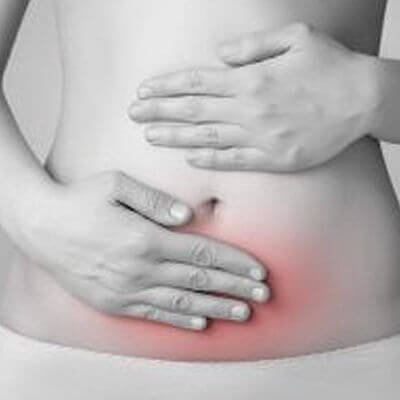

pelvic pain
Anterior and Posterior Repair Education, Pelvic Organ Prolapse Education, Pelvic Reconstruction Education, Urogynecology

What is Pelvic Prolapse?

Pelvic organ prolapse (POP) refers to the sagging or drooping of any pelvic organs due to damage, trauma, childbirth or injury. The pelvic floor consists of a group of cradle-shaped muscles that hold pelvic organs in place. The pelvic organs include the uterus, bladder, cervix, vagina, rectum and intestines. Like any other part of the body, these muscles, with their surrounding tissues (fascia), can develop problems. If you fill a small plastic bag with grocery items, say for instance, a box of cereal, a few cans of vegetables, some jars and a package of rice —the bag should hold the items with no problem. But if you hang that full bag on a wall hook and leave it suspended, you’ll start to notice the items in it begin to bulge against the membrane of the bag as it takes on the shape of its contents. After a while, depending on how heavy the items are, the corner of the cereal box or rim of a can may start to bulge and even poke through as the bag stretches, weakens and eventually tears from the weight of the items in it. The groceries may even begin to protrude and dangle outside of the bag as the tears get larger. Pelvic prolapse happens much the same way. As the muscles and tissues holding the pelvic organs weaken, degrade or tear, the pelvic organs slip or drop through, sometimes forming a small hanging internal bulge. At other times, depending on the damage, they may actually dangle externally from the vagina or anus, causing problems and inhibiting their function. This is called prolapse. Who is at Risk for Pelvic Organ Prolapse? One in three women suffer from POP. Any activity that puts undue pressure on the abdomen can cause pelvic floor disorders. Typically, labor and childbirth are the leading causes of prolapse, especially when a woman has had several children, a long, difficult labor, or has given birth to a larger child.Pelvic organ prolapse becomes more common with age, usually around menopause when tissues damaged during a woman’s childbearing years begin to lose strength. Other causes are: What are the Symptoms of Pelvic Organ Prolapse? It is entirely possible not to have any symptoms at all. Sometimes pelvic organ prolapse is only discovered during a routine gynecological examination. Minor symptoms are a feeling of annoying pressure of the uterus or other pelvic organs against the vaginal wall, minimal malfunction of those organs, and mild discomfort. Other symptoms are: Symptoms may be aggravated by jumping, lifting or standing. Relief is usually found after lying down for a while. When Should You See Your Doctor? If you have increased sensations of pelvic pressure or pulling which is exacerbated by lifting or straining, but relieved when you lie down. Diagnosis At times, pelvic organ prolapse may be hard to diagnose, especially if a patient does not complain of any symptoms. Patients might be aware there’s a problem but cannot actually pinpoint its location. After asking questions regarding symptoms, medical history, past pregnancies, and other health problems, your doctor will perform a physical examination. Then, if organ prolapse is suspected or discovered, the following additional tests may be ordered: The doctor will then use a classification system to decide the organ prolapse level so he can best decide treatment options. Often, only simple non-invasive treatments and lifestyle changes are recommended for minor prolapse. If surgery is warranted, the following may be suggested: What Can You Do? Pelvic prolapse often sounds worse than it is. For many women, there are hardly any symptoms. For those who do suffer, there is help available, whether it is a simple lifestyle change, surgical repair, or reconstruction. If you have questions about your gynecological health or would like to consult with one of our pelvic reconstructive surgeons, please call 770.720.7733 or schedule an appointment online.

© Copyright 2024 Cherokee Women’s Health Specialists
Scroll to Top