
endometriosis

GYN Problems

Can Endometriosis Be Genetic?

Can endometriosis be genetic? We’ll explore the genetic links to endometriosis and how our board-certified OB/GYNs at Cherokee Women’s Health can help you manage your risks and symptoms. Endometriosis is a chronic and often painful condition affecting approximately 1 in 10 women of reproductive age. Characterized by the growth of tissue similar to the uterine lining outside the uterus, it can lead to severe pelvic pain, heavy periods, and infertility. While the exact cause of endometriosis remains unclear, researchers have increasingly pointed to genetics as a significant factor. The Genetic Connection: Is Endometriosis Hereditary? Mounting evidence suggests that endometriosis has a hereditary component. Studies show that women with a first-degree relative—such as a mother, sister, or daughter—diagnosed with endometriosis are up to 7-10 times more likely to develop the condition themselves. This increased risk points to a genetic predisposition, though the condition isn’t caused by a single gene. Instead, it’s considered polygenic, meaning multiple genetic variations, combined with environmental factors, contribute to its development. Research published in journals like Human Reproduction has identified specific genetic markers associated with endometriosis, particularly those linked to inflammation, hormone regulation, and tissue growth. For example, variations in genes like WNT4 and GREB1 have been implicated in altering how the body responds to estrogen, a key driver of endometrial tissue growth. While these findings don’t guarantee you’ll inherit endometriosis, they highlight why family history is a critical piece of the puzzle. At Cherokee Women’s Health, our OB/GYNs take your family history seriously. During your consultation, we’ll ask detailed questions about your relatives’ health to assess your risk and guide our diagnostic approach. How Family History Influences Endometriosis Risk Understanding your family history can be a powerful tool in predicting and managing endometriosis. If your mother or sister has experienced symptoms like chronic pelvic pain, painful periods, or fertility struggles, it could signal a shared genetic vulnerability. Twin studies further support this link: identical twins, who share nearly 100% of their DNA, are more likely to both have endometriosis compared to fraternal twins, who share about 50%. However, genetics isn’t the whole story. Environmental factors—such as exposure to endocrine-disrupting chemicals (e.g., BPA in plastics) or lifestyle habits—can interact with genetic predispositions to trigger or worsen the condition. This interplay explains why some women with a family history never develop endometriosis, while others without apparent genetic risk do. Recognizing Symptoms: Could It Run in Your Family? Endometriosis symptoms can vary widely, but they often overlap within families due to shared genetics. Common signs include: Severe menstrual cramps that worsen over time Chronic pelvic pain outside of periods Pain during intercourse Heavy or irregular bleeding Infertility or difficulty conceiving If these sound familiar—especially if a close relative has similar complaints—it’s worth exploring further. Early recognition is key, as endometriosis is often misdiagnosed or dismissed as “normal” period pain, delaying treatment by years. Managing Genetic Risks: Prevention and Treatment Options While you can’t change your DNA, understanding your genetic risk for endometriosis opens the door to proactive management. Modern medicine offers a range of strategies to reduce symptoms and prevent complications, tailored to your unique needs. Here’s how we approach it at Cherokee Women’s Health: Hormonal Therapies Since estrogen fuels endometrial growth, hormonal treatments like birth control pills, progestin IUDs, or GnRH antagonists (e.g., elagolix) can suppress symptoms and slow disease progression. These options are especially helpful for women with a family history who want to manage risk before symptoms escalate. Lifestyle Adjustments Research suggests that diet and exercise may influence endometriosis severity. Anti-inflammatory foods (e.g., fatty fish, leafy greens) and regular physical activity can help mitigate inflammation, a key factor in the condition. Our team provides guidance on lifestyle changes to complement medical treatment. Surgical Intervention For severe cases or fertility concerns, minimally invasive laparoscopic surgery can remove endometrial lesions while preserving reproductive health. Our physicians excel in these advanced techniques, offering shorter recovery times and better outcomes. Fertility Support If endometriosis runs in your family and you’re planning to conceive, we collaborate with fertility experts to optimize your chances, whether through surgery or assisted reproductive technologies like IVF. By addressing your genetic risk early, we aim to minimize the impact of endometriosis on your life. Call us at 770-720-7733 or schedule online for a free consultation to discuss your options. Take Control of Your Health Today So, can endometriosis be genetic? The answer is yes—family history plays a significant role in your risk, but it doesn’t have to define your future. At Cherokee Women’s Health Specialists, our board-certified OB/GYNs are here to help you uncover your risks, recognize symptoms, and access cutting-edge treatments to live better with or without endometriosis. Whether it runs in your family or you’re experiencing unexplained pain, we’re ready to support you with compassionate, expert care. Don’t let uncertainty hold you back. Contact us today at 770-720-7733 or schedule and appointment online. Together, we’ll explore your family history, assess your risks, and create a plan to protect your health—because you deserve answers and relief.
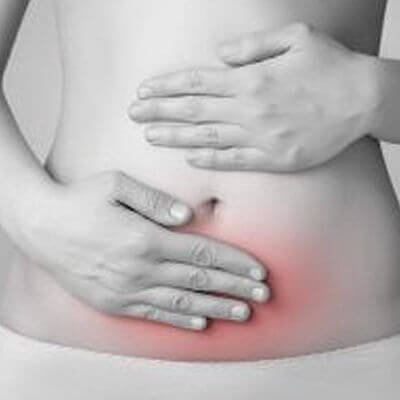
pelvic pain
GYN Problems

Endometriosis – Facts Every Woman Should Know

Endometriosis is the third leading cause of infertility in women of childbearing age. This disease affects 1 in 10 females from the ages of 15 to 44. It impacts more than 11% of women in the U.S. alone and is often times not diagnosed until a woman is in her 30’s or 40’s, so they may have it and not even know. The inside of your uterus (womb) has a lining of tissue called the endometrium. This is similar to that thin layer of skin-type material attached to the shell you sometimes see when you peel a hard-boiled egg. When you have a normal menstrual cycle, this uterine lining thickens to get your uterus ready to house a baby. Its purpose, if fertilization occurs, is to keep an embryo latched on to itself for nine weeks, providing nourishment until the mother’s blood supply through the placenta can take over the job. If pregnancy doesn’t happen that month, menstrual blood sloughs away that barrier and your body begins to rebuild a new one in preparation for the possibility of pregnancy the next time. With endometriosis, endometrial tissue grows and attaches itself in different places outside of your uterus where it doesn’t belong. Like the one in your womb, this tissue is stimulated during the menstrual cycle, but it doesn’t break down. Instead, it remains, causing pain, irritation, and possible scarring which can eventually lead to adhesions, a type of scarring that can cause different organs to fuse together. Endometrial tissue can be found in: In very rare cases, it has even been found on skin, and in the lungs and brain. What are the Symptoms of Endometriosis? Many women have none. Others may suffer a little discomfort, while yet others may experience extreme, debilitating effects. Symptoms include: What Are the Health Risks of Endometriosis? Although endometriosis is neither contagious nor cancerous, left alone it can continue to expand in places where growths should not appear. Unchecked, this may lead to the following problems: Who Can Get Endometriosis? Any female who has begun to menstruate can get endometriosis. In the past, women were often not diagnosed until 30 or 40 years old. Now, doctors know to be on the lookout much earlier, starting in the teens to 20’s. Although endometriosis is not overly picky about which woman’s body it chooses to inhabit, you have a greater likelihood of suffering from it if you have:  What Causes Endometriosis? No one really knows although research is intense and ongoing. Some theories include: How is it Diagnosed? The only way endometriosis is diagnosed is that it must be seen at the time of surgery. When someone presents with symptoms of endometriosis, initial workup may entail: Surgery is then performed as necessary. Is There a Cure? There is no cure, but endometriosis can be treated and managed. Options depend on your particular issues and symptoms, and whether you still want to become pregnant. They range from medication to surgery. What Are the Treatments? Your doctor will most likely try the following: How Can I Make Sure I Don’t Get Endometriosis? There is no way to prevent endometriosis, but there is a possibility of reducing your odds by using estrogen-lowering birth control, limiting caffeine and alcohol which raise estrogen, exercising regularly, and maintaining ideal body weight. How Can Cherokee Women’s Health Specialists Help Me? Our entire practice focuses solely on women and their unique biology. We are trained in every aspect of women’s health care and have three board–certified, doubly accredited urogynecologists holding certification in Female Pelvic Medicine and Reconstructive Surgery (FPMRS). This means that we can diagnose, understand, and treat all feminine problems with the most up-to-date knowledge and innovations known to modern medicine. To further discuss endometriosis, call us at 770.720.7733 or schedule an appointment online.

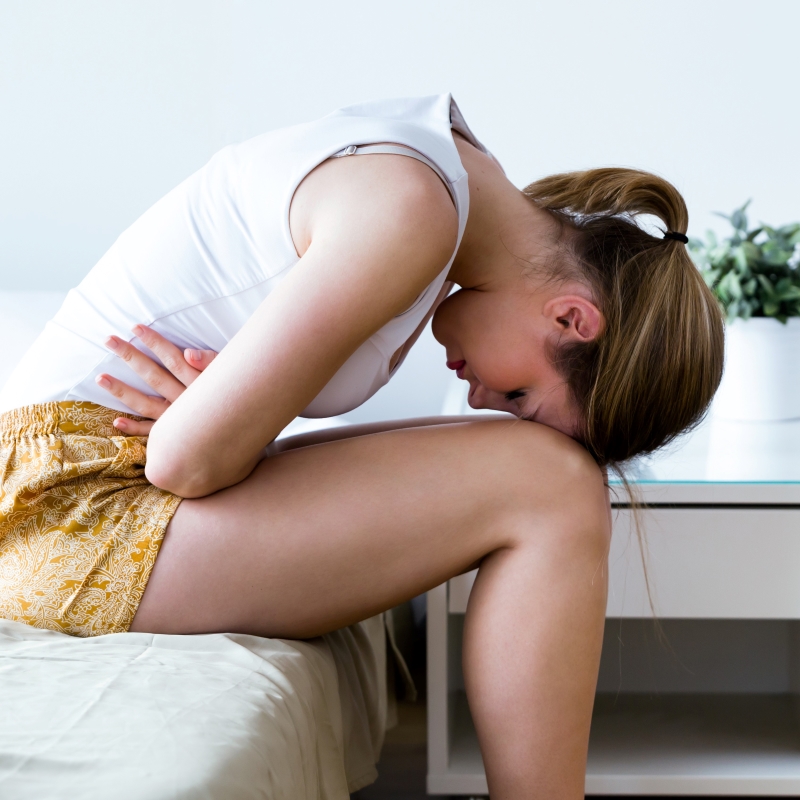
young woman cramps
Bleeding Education, GYN Problems, Laparoscopic Surgery Education

Painful Periods and Endometriosis

Endometriosis is a condition where tissue from the lining of the uterus, called the endometrium, forms and grows in places outside the uterus. These growths may lead to pain and infertility. Up to 50% of women who have endometriosis may experience infertility. If you had painful periods as a teenager, it is very likely you have endometriosis. This problem often goes undiagnosed because women “get used to” the pain. Symptoms of Endometriosis In endometriosis, displaced endometrial tissue continues to act as it normally would — it thickens, breaks down and bleeds with each menstrual cycle. Because this displaced tissue has no way to exit your body, it becomes trapped. When endometriosis involves the ovaries, cysts called endometriomas may form. Surrounding tissue can become irritated, eventually developing scar tissue and adhesions — abnormal tissue that binds organs together. Endometriosis can cause pain — sometimes severe — especially during your period. Fertility problems also may develop. Fortunately, effective treatments are available. Causes of Endometriosis The exact cause of endometriosis is not known. However, possible causes include the following: When to Call Your Doctor If you develop sudden, severe pelvic pain, call your doctor immediately. Call a doctor to schedule an appointment if: Treatment Options There is no cure for endometriosis, but treatment can help with pain and infertility. Treatment depends on how severe your symptoms are and whether you want to get pregnant. If you have pain only, hormone therapy to lower your body’s estrogen levels will shrink the implants and may reduce pain. If you want to become pregnant, having surgery, infertility treatment, or both may help. Not all women with endometriosis have pain. And endometriosis doesn’t always get worse over time. During pregnancy, it usually improves, as it does after menopause. If you have mild pain, have no plans for a future pregnancy, or are near menopause (around age 50), you may not feel a need for treatment. The decision is up to you. Medicines If you have pain or bleeding but aren’t planning to get pregnant soon, birth control hormones (patch, pills, or ring) or anti-inflammatories (NSAIDs) may be all that you need to control pain. Birth control hormones are likely to keep endometriosis from getting worse. If you have severe symptoms or if birth control hormones and NSAIDs don’t work, you might try a stronger hormone therapy. Besides medicine, you can try other things at home to help with the pain. For example, you can apply heat to your belly, or you can exercise regularly. Surgery If hormone therapy doesn’t work or if growths are affecting other organs, surgery is the next step. It removes endometrial growths and scar tissue. This can usually be done through one or more small incisions, using laparoscopy. Laparoscopy can improve pain and your chance for pregnancy. In severe cases, removing the uterus and ovaries (hysterectomy and oophorectomy) is an option. This surgery causes early menopause. It is only used when you have no pregnancy plans and have had little relief from other treatments. We Can Help As OB/GYNs, we specialize in protecting your fertility and providing treatment to relieve physical suffering. Our three board certified specialists in Female Pelvic Medicine and Reconstructive Surgery (FPMRS) provide an exceptional level of expertise you won’t find in any other OB/GYN practice in the Southeast. Please contact us today to schedule your appointment by calling 770.720.7733 or schedule an appointment online.

doctor with patient
GYN Problems

Endometriosis: How a Board-Certified FPMRS Can Help

If you have a history of painful periods, pain with sex, or general pelvic pain, there is a good chance you have endometriosis. Endometriosis is a condition that affects over six million women and teens in the United States, and millions of other women worldwide. Causes and Symptoms of Endometriosis While the definite causes of endometriosis aren’t 100% clear, possible causes include: Retrograde menstruation Embryonic cell growth Surgical scar implantation Endometrial cells transport Immune systems disorder Symptoms can be varied, with some women experiencing little to no pain and others experiencing moderate to heavy amounts of pain during periods, sexual intercourse or with bowel movements. Other symptoms include: Fatigue Diarrhea Constipation Bloating Nausea Excessive bleeding Infertility Treatment Strategies for Endometriosis While there is not a cure for endometriosis, certain treatment options can help with pain and infertility. Treatment will vary depending on your symptoms, your age, and whether or not you have future plans of becoming pregnant. Medication – Over-the-counter pain relievers may include aspirin and acetaminophen, as well medicines that inhibit prostaglandin (the hormone that controls processes such as inflammation, blood flow, and the formation of blood clots and the induction of labor). These include ibuprofen and naproxen sodium. If pain is very severe, prescription drugs may be required. Hormonal Therapy – Hormonal treatment aims to stop ovulation for as long as possible and may include: oral contraceptives, progesterone drugs, a testosterone derivative (danazol), and GnRH agonists (gonadotropin releasing hormone drugs). Side effects may be a problem for some women. Surgery – If your doctor has determined that surgery is the best treatment option, a board-certified FPMRS (Female Pelvic Medicine and Reconstructive Surgeon) can determine what surgical method works best for your needs. FPMRS surgeons are highly skilled in the diagnosis, evaluation and both surgical and non-surgical treatment of pelvic floor disorders such as endometriosis. Types of Surgery For Endometriosis A more conservative surgery option consists of using a laparoscope to find and remove any growths to remove pain and increase the possibility of pregnancy. In some cases, hormonal therapy may be prescribed in conjunction with conservative surgery. In more severe cases, your surgeon may recommend a hysterectomy, removal of all growths, and removal of ovaries (also called oophorectomy). These types of surgeries are considered only when other treatment options have offered little relief, as the surgery causes early menopause. Additionally, it is only considered when you have no future plans to become pregnant. The OB/GYNs at Cherokee Women’s have a deep understanding of women’s anatomy and the types of concerns that women struggling with endometriosis may be facing. Our board-certified FPMRS doctors can address concerns related to scar tissue, internal trauma after childbirth, excessive bleeding and infertility. If you have questions or concerns regarding symptoms or treatment for endometriosis, don’t hesitate to schedule an appointment.

© Copyright 2024 Cherokee Women’s Health Specialists
Scroll to Top