

How Do You Know if You Have PCOS?
Dr. Haley talks about PCOS, its symptoms, how it’s diagnosed and available treatment solutions.
Dr. Haley talks about PCOS, its symptoms, how it’s diagnosed and available treatment solutions.

By James Haley, MD, FACOG, FPMRS “As GYNs, we address bladder issues on a daily basis, so when we discovered that our longtime patient suffered from a prolapsed bladder, we asked her to share her story of life before — and after — bladder surgery”, says Dr. Haley. Living with a Prolapsed Bladder “I knew every bathroom in town,” recalls Gabrielle, a vibrant woman in her mid-50s, a common age for women to experience bladder problems. “I never leaked but I had to use the bathroom ALL the time,” she explained. “My husband used to complain, ‘I hate running errands with you because you have to go to the bathroom at every stop.’ “I knew every bathroom in town. I never leaked but I had to use the bathroom ALL the time,” Gabrielle discussing her bladder problems “It started in my late 40s, when I began getting this weird feeling that my bladder had ‘fallen’. It got worse and worse, and it just became this constant pressure. It affected everything. When I exercised it was never painful, but I felt this constant sensation of pressure. I finally talked to my GYN, and he said it was caused by a prolapsed bladder.” What is Prolapsed Bladder? Prolapsed bladder, also known as fallen bladder or cystocele, is a condition where the bladder drops down from lack of support. Pelvic floor muscles and tissues hold the bladder and other organs in place, but they can weaken over time. This causes the bladder to descend from its fixed position and slip downwards into the vagina. In more severe cases, the bladder may dangle completely outside of the vagina. What Causes Prolapsed Bladder? There are four main reasons a woman may develop a prolapsed bladder: Childbirth: A difficult delivery, long labor, a large baby or multiple births Strain: Heavy lifting, strained bowel movements, excessive coughing Menopause: Lack of estrogen, which is vital in maintaining the health of vaginal tissue Obesity: Excess weight, which puts undue strain on pelvic muscles and tissues What are the Symptoms? Sensation of pressure in the bladder or vagina Leakage of urine when coughing, sneezing, laughing, etc. Protrusion of tissue from the vagina A sensation that the bladder is not completely empty right after urinating Difficulty urinating Pelvic pain or discomfort Painful intercourse Life After Treatment Gabrielle relates that she was given multiple treatment options but ultimately chose a permanent treatment solution called a surgical bladder lift, which was a great success, even years later. “That surgery literally changed my life. It’s been five years, and I’ve never had a problem. AND no more crazy bathroom trips!” Gabrielle on life after treatment When Should You See Your Doctor? If you notice that you have any of these symptoms and you suspect a prolapsed bladder, you should see your doctor immediately. This is not a condition that repairs itself. It usually worsens over time. However, it can be fixed, thanks to many modern methods available today. Why Our FPMRS Specialists are Experts in Bladder Prolapse Our board-certified OB/GYNs Dr. Michael Litrel and Dr. James Haley have earned board certification in Female Pelvic Medicine and Reconstructive Surgery. FPMRS is a surgical subspecialty addressing the problems women experience with the changes to their anatomy from having children and pelvic prolapse. FPMRS surgeons are also known as board-certified urogynecologists. Cherokee Women’s Health Specialists has unique surgical expertise in the Southeast United States as an OB/GYN practice with three double board-certified urogynecologists. To schedule an appointment, call our office today at 770.720.7733 or schedule an appointment online.
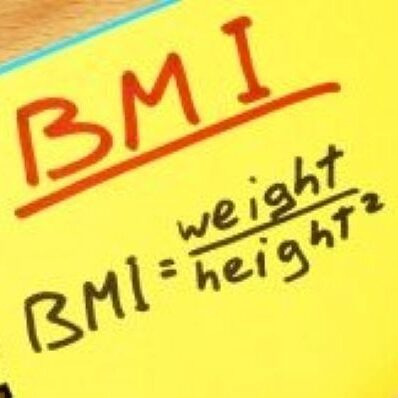
by James Haley, MD, FACOG, FPMRS As many as 86 million people in the United States have prediabetes, yet 90% of them don’t even know it. Prediabetes is the condition that exists when you have higher than normal blood sugar levels, but not high enough to classify as diabetes. Someone with prediabetes has a higher risk of developing Type 2 diabetes and other serious health issues, including stroke and heart disease. Since this condition has no symptoms, it can easily go undiagnosed. However, there are risk factors to look for, and certainly ways you can decrease your risk of becoming a Type 2 diabetic. Type 2 diabetes is a major public health issue, and more people need to know they are at risk. Know the Risk Factors for Prediabetes The American Diabetes Association (ADA) has guidelines that list a total of 11 specific risk factors that determine if you should be screened for prediabetes. They include: High Blood Pressure High Cholesterol Body Mass Index (BMI) over 25 History of Heart Disease Physical Inactivity 1st Degree Relative with Diabetes Over 45 years old Had Diabetes in Pregnancy (gestational diabetes) African-American race Latino ethnicity Asian-American race If you’re over 45 and have any of the other risk factors, you should see your doctor. A simple blood test can let you know if you are prediabetic. Unfortunately, most Americans these days have a body mass index (BMI) over 25, not realizing the risks associated with it. If you have a calculator, you can easily figure your BMI. Below is the standard formula. If you are in good shape and have extra muscle, it may be a little off. Nevertheless, it is still a good method and will give you a close estimate. How to Calculate Your BMI Figure out how many inches tall you are. (Example: if you are 5’4″ you are 64 inches). Multiply the number by itself. (Example: 64 x 64 = 4096) Write the total down and clear your calculator. Now, punch in your weight in pounds and divide by that saved 4-digit number (For a 125 woman, 125 divided by 4096 = .03051758) Multiply your result by 703. (.03051758 x 703=21.4538) Here, 21.45 is the BMI If the result you get is less than 18.5, you are considered underweight. If your BMI is between 18.5-24.9, you are normal weight. But if your BMI is 25-29 you are considered overweight, and over 29 is considered obese. No matter how undesirable you find your calculations, don’t despair. Make today the first day of positive changes. It’s never too late to start a sensible diet and exercise plan. Change begins with that first step. Get committed!! Get going! For guidelines on nutrition and weight loss, discuss your concerns with your doctor at your next annual exam.
by James Haley, MD FACOG, FPMRS As a physician and fitness enthusiast, I’ve read a plethora of articles, books, and journals on weight loss. My patients continually tell me their struggles with dieting, lamenting that the weight always returns, usually along with a few extra pounds. Personally, I can relate. It’s not a dilemma exclusive to women. Men struggle, too. As you age, you just can’t eat like you used to—ven if you exercise regularly. After reading numerous books and trying different diets myself, I finally discovered an author who not only pinpoints the problem of obesity, but also the answer to those last ten pounds. In his book, ‘The Obesity Code’, Dr. Jason Fung, a nephrologist, states that the real culprit of weight gain isn’t overeating. It’s excessive insulin. He is emphatic that many of his patients would need less medical intervention if they lost weight. Since most of his patients are Type 2 Diabetics, a disease associated with too much insulin, he has been able to determine the common link – SNACKING. In the past few decades, the number of times we eat daily has increased. People have gone from eating three meals a day to about six, counting snacks. Go on, admit it. It’s what you do—what I’ve done. it’s a cycle, and it makes sense once you understand the reason why. Every time you eat, you stimulate insulin, keeping it at a constant high level. This fools the body into thinking it’s always hungry. Your body is constantly thinking you are hungry because your insulin stays in a high range. Obesity is a hormonal disease. Insulin, a hormone, tells you how much to eat and how much to burn. The body behaves as if the weight is set on a thermostat. So, obesity is not about caloric imbalance. Thus, it makes sense that the idea of cutting calories is totally wrong. You may not be obese. Maybe you have a few obstinate pounds that won’t melt—a jiggle around the middle resistant to diet and exercise. ‘Fat’, ‘plump’, ‘chubby’—whatever you call it, a surplus of insulin is causing it. The longer you have higher amounts of it, the more resistant your body becomes, which produces even more and causes that crazy, never-ending cycle. So what’s the solution? Avoid insulin-stimulating foods like sugar and refined grains. These are the enemy. Eliminate between-meal snacks. Designate mealtimes. Meal timing and insulin levels work together to regulate our weight. We need periods of time when we aren’t eating, so insulin can go down, leaving our bodies in energy burning mode. If we leave more time between meals…. we burn energy. And when we burn energy, we lose weight. To learn more about the other secret to regulating insulin for weight loss, read here.