
diabetes

bmi and prediabetes
Nutrition and Weight Loss

Is Prediabetes Stalking You? Recognize the Danger

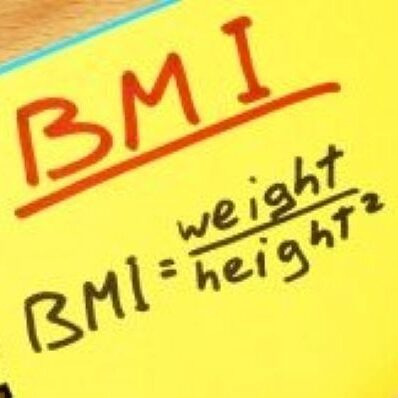
by James Haley, MD, FACOG, FPMRS As many as 86 million people in the United States have prediabetes, yet 90% of them don’t even know it. Prediabetes is the condition that exists when you have higher than normal blood sugar levels, but not high enough to classify as diabetes. Someone with prediabetes has a higher risk of developing Type 2 diabetes and other serious health issues, including stroke and heart disease. Since this condition has no symptoms, it can easily go undiagnosed. However, there are risk factors to look for, and certainly ways you can decrease your risk of becoming a Type 2 diabetic. Type 2 diabetes is a major public health issue, and more people need to know they are at risk. Know the Risk Factors for Prediabetes The American Diabetes Association (ADA) has guidelines that list a total of 11 specific risk factors that determine if you should be screened for prediabetes. They include: High Blood Pressure High Cholesterol Body Mass Index (BMI) over 25 History of Heart Disease Physical Inactivity 1st Degree Relative with Diabetes Over 45 years old Had Diabetes in Pregnancy (gestational diabetes) African-American race Latino ethnicity Asian-American race If you’re over 45 and have any of the other risk factors, you should see your doctor. A simple blood test can let you know if you are prediabetic. Unfortunately, most Americans these days have a body mass index (BMI) over 25, not realizing the risks associated with it. If you have a calculator, you can easily figure your BMI. Below is the standard formula. If you are in good shape and have extra muscle, it may be a little off. Nevertheless, it is still a good method and will give you a close estimate. How to Calculate Your BMI Figure out how many inches tall you are. (Example: if you are 5’4″ you are 64 inches). Multiply the number by itself. (Example: 64 x 64 = 4096) Write the total down and clear your calculator. Now, punch in your weight in pounds and divide by that saved 4-digit number (For a 125 woman, 125 divided by 4096 = .03051758) Multiply your result by 703. (.03051758 x 703=21.4538) Here, 21.45 is the BMI If the result you get is less than 18.5, you are considered underweight. If your BMI is between 18.5-24.9, you are normal weight. But if your BMI is 25-29 you are considered overweight, and over 29 is considered obese. No matter how undesirable you find your calculations, don’t despair. Make today the first day of positive changes. It’s never too late to start a sensible diet and exercise plan. Change begins with that first step. Get committed!! Get going! For guidelines on nutrition and weight loss, discuss your concerns with your doctor at your next annual exam.


healthy foods
Nutrition and Weight Loss

How to Starve Insulin Through Fasting

by James Haley, MD, FACOG, FPMRS I have always had a personal interest in nutrition and fitness, and more so after I became a doctor and needed that knowledge to benefit my patients. After reading volumes of research on these subjects and hearing my patients’ struggles with weight gain, I came across nephrologist Dr. Jason Fung’s book, ‘The Obesity Code’. Most of Dr. Fung’s patients are Type 2 diabetics, and he explains clearly how obesity is a problem due not to caloric intake, but to constant high levels of insulin in the body retained through frequent eating. In short, Dr. Fung states that the more often you eat, refueling with snacks between meals, the longer your insulin levels remain elevated. Since insulin is a hormone that tells your body how much to eat and how much to burn, high insulin levels fool the body into thinking you are always hungry. Those messages cause you to eat more, and of course, gain weight. How Do You Overcome This Vicious Cycle?  1. Stop Snacking This is the first step. Avoid especially the sugary and refined, processed foods which make your insulin levels spike and fall all day, perpetuating the cycle of hunger and sluggishness, making you think you’re hungry. 2. Stay Hydrated and Eat Well   Drink plenty of water and eat healthy foods like vegetables, nuts, salads, fruit and protein-rich chicken and fish, which keep your insulin levels steady. 3. Fast Fasting! The word may make you shudder. I’m not talking about a three-week, Gandhi-type fast. Dr. Fung suggests a “mini- fast”: going without breakfast. And yes, this goes against everything you’ve ever been told, that breakfast is the most important meal of the day. You don’t need to do it daily, but skipping breakfast gives your body about 14 hours of fasting from the night before. We need periods of time when we aren’t eating, when insulin can go down, leaving our bodies in energy burning mode. This one step will dramatically lower your insulin, which in turn acts to lower the body’s set weight. You’ll start to feel better, have more energy – and you may just get rid of that last, lingering ten pounds. 4. Consult Your Doctor Fasting is never recommended for pregnant women, breastfeeding mothers, or people with certain diseases. If you simply need a jump start to weight loss, try the mini-fasting route and let your body’s insulin levels drop to burn energy. You will be surprised at how much better you feel. Once you change your mindset about food, regulate your insulin, and time your meals, you will see many positive results. Whether you need to lose weight or not, you will definitely have more energy, and hopefully live a longer, healthier life.

© Copyright 2024 Cherokee Women’s Health Specialists
Scroll to Top