
birth control

tubal ligation photo_126062336
Sterilization, Well Woman

Tubal Ligation: When Should I Get my Tubes Tied?

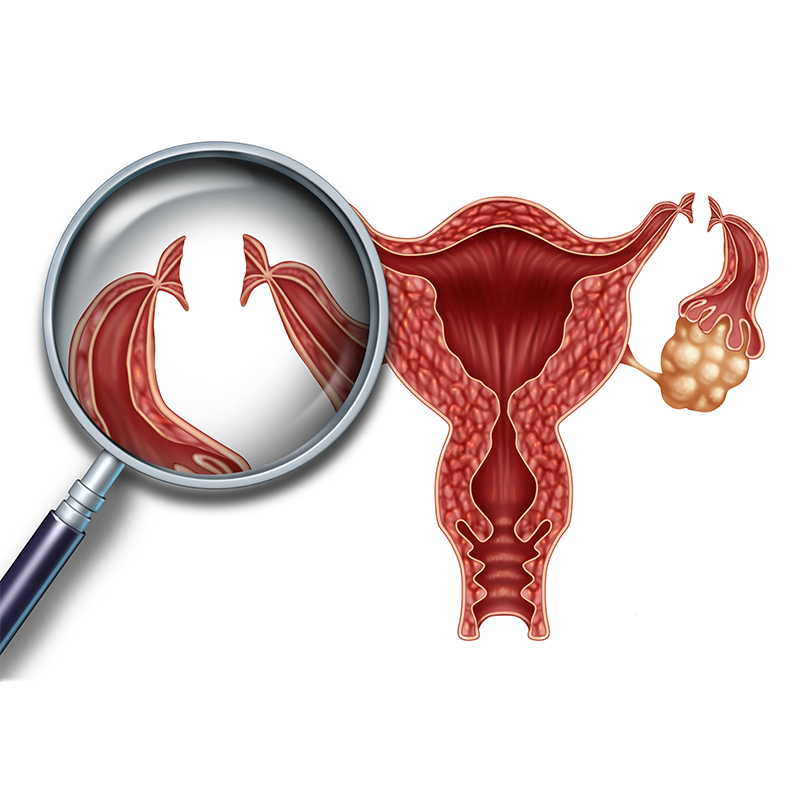
Commonly referred to as “getting your tubes tied,” tubal ligation is a permanent surgical procedure that is performed to prevent pregnancy. More formally, it’s also known as female sterilization. In recent years, the term “tubal sterilization” is most accurate, since the technical definition of the word “ligation” refers to a specific surgical technique that is no longer used in most sterilization surgeries. Whatever the term you prefer, the procedure involves closing off a woman’s fallopian tubes to prevent eggs from traveling down to the uterus, and prevents pregnancy. When Can Tubal Ligation be Performed? Tubal ligation can be done in conjunction with childbirth, since the advantage is that it can be performed at the same time as a C-section or within 48 hours of a vaginal delivery. Many surgeons prefer to do the surgery after birth because you’re already in the hospital, and your abdominal muscles are still relaxed from having just given birth. If you decide later on that a tubal sterilization is the procedure for you, it can also be done as an outpatient procedure separate from childbirth via interval tubal ligation. This process uses a laparoscope, a thin tube with a camera lens and light on the end. The procedure involves general anesthesia to prevent any pain or discomfort. What to Expect During the Procedure If you have an interval tubal ligation as an outpatient procedure, either a needle is inserted or an incision is made through your navel so your abdomen can be inflated with gas (carbon dioxide or nitrous oxide). Then the laparoscope is inserted into your abdomen. In most cases, your doctor will make a second small incision to insert special instruments. Using these instruments passed through the abdominal wall, your doctor seals the fallopian tubes by destroying segments of the tubes or blocking them with plastic rings or clips. If you have a tubal ligation after vaginal childbirth, your doctor will likely make a small incision under your navel, providing easy access to your still-enlarged uterus and fallopian tubes. If you have a tubal ligation during a C-section, your healthcare provider will use the same incision that was made to deliver the baby. What to Expect After a Tubal Ligation Procedure If your abdomen was inflated with gas during the interval tubal procedure, the gas will be withdrawn. You may be allowed to go home several hours after the procedure. If you have the procedure in combination with childbirth, the tubal ligation isn’t likely to add to your hospital stay. You may have some discomfort at the incision site afterwards. Other symptoms you may experience include: Abdominal pain or cramping Fatigue Dizziness Gassiness or bloating Shoulder pain You may take acetaminophen (e.g. Tylenol) or ibuprofen (Advil, Motrin IB, others) for pain relief, but avoid using aspirin, since it may increase bleeding. Your doctor will most likely permit you showering or bathing 48 hours after the procedure, but will advise against straining or rubbing the incision for a week. You should also avoid strenuous lifting and sex for one to two weeks, but can resume your day-to-day activities gradually as you begin to feel better. Your stitches will dissolve and won’t require removal. If you have any concerns that you aren’t healing properly, it’s important to call your doctor to see if you need a follow-up appointment. Additionally, contact your health care provider immediately if you experience: A temperature of 100.4 F (38 C) or greater Fainting spells Severe abdominal pain that’s persistent or gets worse after 12 hours Bleeding from your incision that’s persistent or gets worse after 12 hours, despite use of pressure and bandages Discharge from your incision that’s persistent or gets worse. Who is the Ideal Candidate for Tubal Ligation? Tubal sterilization is considered a permanent surgery, so it’s a good option only if you’re completely sure you don’t want any more children. If you’re not entirely sure if you’re done having children, you might consider other less permanent forms of birth control. While you may have heard of women who successfully get their tubal sterilizations reversed, it isn’t guaranteed to be effective, and involves a second invasive surgery. Additionally, because tubal sterilization is a surgery, your doctor may advise against the surgery if you’re obese, have chronic health conditions such as heart disease, or if you’ve had complicated abdominal surgeries in the past. Complications If you think you may be pregnant after your tubal ligation procedure, you should contact your health care provider immediately. While tubal ligation is highly effective in preventing most pregnancies, it isn’t an absolute in preventing pregnancy. An estimated 1 out of every 200 women will become pregnant after tubal ligation. Complications related to tubal ligation include an increased risk of an ectopic pregnancy, which happens when a fertilized egg implants in the fallopian tubes instead of traveling to the uterus. An ectopic pregnancy can be dangerous, and can cause a rupture in the fallopian tube, resulting in internal bleeding. Contact Us In 95% of cases, tubal ligation is an effective permanent form of birth control. Before deciding if this procedure is the best fit for you, it’s important to consider all the possibilities and know your options. If you think tubal ligation might be the right permanent birth control option for you, we invite you to call us at 770.720.7733 or schedule an appointment online with one of our board-certified obstetricians.


birth control photo
Well Woman

Alternatives to Latex Condoms

When used correctly and consistently, condoms can be an effective method of birth control and provide protection from STIs. If you or your partner has a latex allergy or sensitivity to latex, rest assured that there are easily available alternatives to latex condoms. Many are equally useful in the prevention of pregnancy and sexually transmitted infections. What is a Latex Allergy? Latex is natural rubber, a product made primarily from the rubber tree. Some people have a reaction to the rubber in latex, which can cause moderate, severe, or even life-threatening reactions. Allergy to latex is an increasing health problem. In some cases, repeated contact with products containing latex can increase your sensitivity and, with continued use, develop into an allergy. Symptoms of Latex Allergy The following are the most common identifiers that you may be sensitive to latex. You’ll find that latex can affect both your skin as well as cause internal respiratory problems. Below is a list of the most common skin reactions when it comes to latex allergies. These reactions most commonly occur on or near areas that come into direct contact with latex. You may have a latex allergy if you are experiencing any of the following respiratory issues during or after using a latex based condom. If you notice one or more of these symptoms after coming in close contact with latex, contact your doctor to get tested for a latex allergy. Furthermore, if you experience severe or life-threatening symptoms, seek immediate medical attention. Alternatives to Latex Condoms Condoms are one of the most common types of birth control and STI protection on the market. A condom is a thin sheath that fits over the erect penis. There are currently three types of male condoms available other than the latex variety. Let’s take a closer look at some of your options to help you determine which will work best for you. Each has advantages and drawbacks. Ultimately, it’s up to you and your partner to make the right choice for your lifestyle. Polyurethane Condoms Polyurethane is a plastic based product that contains no latex. Polyisoprene Condoms Polyisoprene is a newer product made of a non-latex material. Natural Condoms Made from the oldest material on the market—the intestinal membrane of a lamb, sometimes known as a lambskin condom. Female condoms are not as popular of choice as traditional condoms. However, you may find that they suit your needs better. A female condom is a thin plastic pouch that lines the vagina. It is held in place by a closed inner ring, or rim, at the cervix and an outer ring at the opening of the vagina. Final Thoughts There are numerous alternatives to latex condoms. All of the varieties we’ve mentioned require no prescription and can be purchased in pharmacies, stores or vending machines. Many family planning clinics, school nurses, or university health centers will provide condoms, including non-latex condoms, free of charge. For the best protection against unplanned pregnancy and STIs, use a condom even when using another method of birth control, such as pills or an IUD. Always use a condom when participating in vaginal, oral, or anal intercourse. If you have a latex allergy or sensitivity to latex, make an appointment to discuss your options with your OB/GYN.

birth control photo
Contraception Education

Birth Control No-Nos

Birth control is offered in many varieties with different instructions, so it can be confusing for women to know that what they are doing is correct. By using birth control correctly, you can increase its effectiveness. Here are the different methods of birth control and the common errors or actions you should avoid to keep yourself protected. Hormonal Contraception Hormonal methods of birth control have a low chance of error if used correctly. The pill is a common choice, but the first mistake is selecting the wrong pill for your body and lifestyle. Call your doctor for an appointment today to explore options and make the right decision. Birth Control Pills Missing a pill or forgetting to take the pill for a couple of days can negatively affect the way it works. This common error can be helped with certain steps. If you forget your pill, take one as soon as you remember, even if that means you take 2 in one day. If you forget 2 days of pills, take 2 the day you remember and 2 the following day to get back on track. Use a backup method until your next period. A big “no, no” when using the pill is to avoid taking rifampin, a drug used to treat tuberculosis, as it interferes with the effectiveness of the pill. General antibiotics are fine; however, be sure to use another form of birth control if you need to take anti-seizure drugs, anti-HIV drugs, and some anti-fungal medications. The Patch The patch is less effective when you apply it at the wrong time of your cycle. To have high effectiveness, you must implement it on the first day of your menstrual cycle or the first Sunday following your period. Also, be cautious of the day you change your patch, and do not apply it to skin that is moisturized, has make-up, or is ultra dry. Vaginal Rings The vaginal ring releases hormones into the body the same way the pill does. A typical mistake is not inserting it within 5 days of the beginning of your period. You will also be at risk of getting pregnant while using the ring if you forget to remove it after 3 weeks and don’t replace it within 7 days. Condoms and Barrier Methods When using a female condom, common mistakes include not applying enough lubrication and not entering the penis directly into the condom. Make sure to remove the female condom carefully after sex to avoid leakage. With male condoms, effectiveness is decreased if you do not leave enough space at the tip or do not remove the air before intercourse. Never reuse condoms, and make sure to hold the base when withdrawing. Be sure to check the expiration date before use along with the size and fit. If a diaphragm is not the right size for you, then it will not be as effective. Be sure to consult your doctor with questions at any point when using contraception. A common mistake to avoid is leaving your diaphragm in for more than 30 hours. Plan to remove the diaphragm or sponge 6 hours after sex and no sooner. Intrauterine Devices (IUDs) With IUDs being almost mistake-proof, they are one of the most effective forms of birth control. However, as with the pill, the ring and the diaphragm, the IUD only protects users from pregnancy, not sexually transmitted infections. Error or lack of effectiveness can arise from not checking the placement of your IUD after insertion. Be sure to check for the string inside your vagina as directed by your physician. Do not use a copper IUD if you are allergic to copper. If you are not in a committed relationship and have multiple partners, the IUD may not be the right choice for you. Similarly, with other forms of birth control, do not use an IUD if you are pregnant. When taking contraception post-pregnancy, check with your OB for the best course of action. Final Thoughts If you are considering birth control or are currently unhappy with your contraception, call your doctor with questions or for an appointment to explore options. Birth control is primarily designed to protect you from an unwanted pregnancy. It does not provide STD protection, so always use condoms if you are not in a committed relationship or may be at risk for STD exposure. To increase the effectiveness of your birth control, make sure to educate yourself about the risks and follow the appropriate instructions.

© Copyright 2024 Cherokee Women’s Health Specialists
Scroll to Top