Search Results for: menstrual cycle

stressed woman
GYN and Annual Exams

Can Stress Really Affect Your Menstrual Cycle?

While the menstrual cycle is a natural physiological process, it appears that stress can indeed play a role in disrupting its regularity. The human body is an intricate and interconnected system where many different factors can influence its functions. One such connection that has gained attention is the relationship between stress and the menstrual cycle. There is science behind this theory, and thankfully, there are steps that can be taken to manage this potential impact. Understanding the Menstrual Cycle The menstrual cycle is a complex interplay of hormones and bodily processes that occurs in the female reproductive system. On average, the cycle lasts around 28 days, but variations between individuals are common. This process includes the egg in the ovaries getting ready and being released, the lining of the uterus getting thicker, and if pregnancy doesn’t happen, the shedding of this lining during the period. Stress and How Your Body Reacts When you’re stressed, your body goes into a “fight-or-flight” mode. This happens because of something called the hypothalamic-pituitary-adrenal (HPA) axis, which is like a control center. When stress shows up, your brain’s hypothalamus sends a signal to start the stress response. This makes your pituitary gland release a hormone called adrenocorticotropic hormone (ACTH), which then tells your adrenal glands to make stress hormones, including cortisol. Cortisol, often known as the “stress hormone,” is a big player in how your body works. It’s involved in lots of things, including your menstrual cycle. When cortisol levels are high, they can mess with other hormones that help regulate your cycle, like estrogen and progesterone. Impact on Menstrual Cycle Managing Stress-Related Cycle Disruptions Take Care of You Stress can affect your period because your mind and body are closely connected. While some stress is normal, too much stress over a long time can disrupt the hormones that help your period stay regular. It’s important to learn how stress and your body are linked and to find ways to manage stress. By doing this, you can take care of both your mental well-being and your menstrual health. We Can Help Visiting your OB/GYN regularly and talking about any issues with your cycle is important too. Our compassionate providers can help you understand your body better and give you guidance on how to keep things balanced. Call us today to make an appointment at 770.720.7733 or simply request an appointment online.

Ablation with Dr. Litrel
Urogynecology

Endometrial Ablation: A Minimally Invasive Solution for Heavy Periods and Menstrual Relief

Today, we’re going to perform an endometrial ablation procedure, also known as HTA, which stands for hydrothermal ablation. Essentially, this instrument will be inserted into our patient’s uterus to burn the lining and stop her periods. The good thing about this procedure is that the patient has been experiencing heavy bleeding for ten days a month and is unhappy with it. She doesn’t want any more children but also doesn’t want surgery or any invasive procedures. This device works inside the uterus without affecting the woman’s hormones and reduces bleeding by about 90%. Watch Dr. Litrel’s accompanying video. We’ve already inserted the device into the patient’s cervix and uterus, and we can see the interior of her uterine cavity. There’s a significant amount of tissue on both the top and bottom surfaces, but we have confirmed through a biopsy that there’s no evidence of hyperplasia, cancer, or precancerous lesions. Now that everything is ready, we will proceed with the ablation. No Pain or Discomfort We’re almost at the end of this ablation, with about two minutes remaining. The great thing is that the patient doesn’t feel any pain or discomfort during this process. As we proceed, the lining of the uterus is changing from a pink, blood-filled appearance to a nice whitish color, indicating the successful ablation of the vasculature. This means her periods will be significantly decreased. What to Expect After an Endometrial Ablation After the procedure, the patient will tolerate it well and will be able to leave our office within 20 minutes. The benefit of this ablation is that it’s a 10-minute procedure performed in the office, providing relief and decreased bleeding without impacting her hormones. She’ll be able to resume normal activities later today or tomorrow and should have an easy recovery without any significant disruptions. We hope that her menstrual cycles will also stop altogether. If you suffer from heavy periods and would like to schedule an appointment at either our Canton or Woodstock location, call us today at 770.720.7733, or simply schedule an appointment online.

PMDD_455950794-1
GYN Problems, Well Woman

Do I Have PMDD – Premenstrual Dysphoric Disorder?

Premenstrual dysphoric disorder (PMDD) is a severe form of premenstrual syndrome (PMS). If you suffer from extreme physical and emotional distress a week or two before your period, you may have PMDD. PMDD Symptoms Not only do women with PMDD suffer from physical symptoms, but they experience psychological and behavioral symptoms as well. Symptoms occur a week or two before your period, and typically improve within a few days after your period begins. Symptoms can be severe enough to interfere with your everyday life. Emotional Symptoms Physical Symptoms What Causes It? The cause of PMDD isn’t actually known. However, decreased levels of estrogen and progesterone after ovulation and before starting your period may trigger symptoms. The brain chemical serotonin, which regulates hunger, sleep and mood, may also play a role as they constantly change throughout your menstrual cycle. Diagnosing PMDD Make an appointment with your gynecologist – a doctor who is board-certified in female health – and have an open and honest discussion about your symptoms. From there, your GYN will take a medical history and evaluate your symptoms. Once other conditions such as depression, reproductive disorders or anxiety are ruled out, you may be asked to track your symptoms over one or two menstrual cycles to check for a pattern. Your doctor will look for five or more PMDD symptoms, including one mood-related symptom. Is There a Treatment for PMDD? There are various treatments or ways to help manage PMDD. Your GYN may recommend one or more of the following: What Happens if Left Untreated? PMDD can cause extreme depression and in severe cases, may result in suicide. Relationships and careers can suffer as a result of the severe physical and emotional symptoms. If you’re experiencing suicidal thoughts, call the National Suicide Prevention Lifeline at 1.800.273.8255. You’ll receive free and confidential emotional support 24/7. Talk to Your GYN Today if You Suspect PMDD While PMDD can be physically and emotionally debilitating, most women can get relief from their symptoms and enjoy a full life. Make an appointment with one of our compassionate GYNs today. Call us at 770.720.7733 or schedule an appointment online.

GYN Problems

PCOS: Truths and Misconceptions

Polycystic ovary syndrome, or PCOS, is one of the most common hormonal disorders affecting women of reproductive age. Yet despite how prevalent it is, PCOS remains surrounded by confusion and myths. At Cherokee Women’s Health, we believe that understanding the truth about PCOS is crucial for managing symptoms and improving quality of life. Let’s separate fact from fiction by addressing some common misconceptions. Common PCOS Misconceptions Misconception #1: PCOS Means You Have Ovarian Cysts The Truth: The name “polycystic ovary syndrome” is misleading. Not all women with PCOS have cysts on their ovaries. The term comes from the appearance of the ovaries on ultrasound, which may show multiple small follicles (not true cysts) that look like a string of pearls. Diagnosis is based on a combination of symptoms, lab tests, and imaging, not just cysts. Misconception #2: You Can’t Get Pregnant if You Have PCOS The Truth: Many women with PCOS conceive naturally or with medical assistance. While PCOS can cause irregular ovulation, it does not automatically mean infertility. Lifestyle changes, medications, and fertility treatments can help many women achieve pregnancy. Misconception #3: Only Overweight Women Get PCOS The Truth: PCOS affects women of all shapes and sizes. Although being overweight can exacerbate symptoms, many women with PCOS are of average weight or even underweight. Genetics and hormones, not weight alone, play significant roles in PCOS development. Misconception #4: Irregular Periods Are the Only Symptom The Truth: PCOS is a complex condition with a variety of symptoms, including: Irregular or absent menstrual cycles Excess hair growth (hirsutism) Acne Thinning hair on the scalp Weight gain or difficulty losing weight Darkening of skin, especially around neck folds or underarms Mood changes Difficulty getting pregnant Some women have only a few symptoms, while others experience many. Misconception #5: PCOS Isn’t a Big Deal The Truth: PCOS is a lifelong health condition that can increase the risk of: Type 2 diabetes High blood pressure High cholesterol Sleep apnea Endometrial cancer Anxiety and depression Early diagnosis and management are key to preventing long-term complications and maintaining overall health. Misconception #6: Birth Control Pills Cure PCOS The Truth: Birth control pills can help regulate periods and reduce symptoms like acne and excess hair, but they don’t “cure” PCOS. There is currently no cure for PCOS, but symptoms can often be managed successfully through lifestyle changes, medication, and personalized care. Misconception #7: You Did Something to Cause PCOS The Truth: PCOS is not your fault. Its exact cause isn’t fully understood, but it’s believed to involve a combination of genetic and environmental factors. Women with a family history of PCOS are at higher risk. You didn’t cause your PCOS by something you did or didn’t do. Take Charge of Your Health Living with PCOS can feel overwhelming, but you’re not alone. Our expert and compassionate team at Cherokee Women’s Health specializes in diagnosing and treating PCOS. We’re here to help you understand your body, manage symptoms, and protect your long-term health. If you suspect you might have PCOS or have questions about your symptoms, schedule an appointment with us today. Let’s work together to help you feel your best. Call us today at 770.720.7733 or simply schedule an appointment online.

GYN Problems

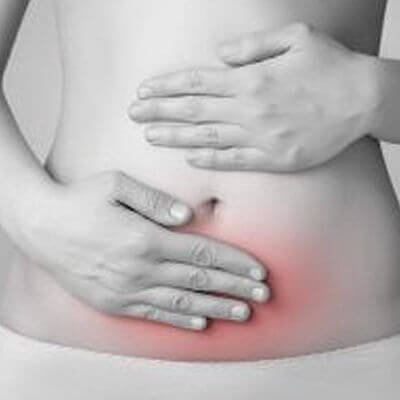
The Connection Between Pelvic Pain and Hormones

Pelvic pain can feel mysterious and frustrating, especially when it seems to come and go without warning. For many women, the answer lies in hormones. These powerful chemical messengers play a crucial role in nearly every system of your body, including the complex network of tissues, nerves, and organs in the pelvis. At Cherokee Women’s Health Specialists, we help women connect the dots between hormones and pelvic pain. Understanding this link is the first step toward finding relief and reclaiming your quality of life. Hormones: More Than Just Reproductive Messengers When most people think of hormones, they think of periods, pregnancy, and menopause. But hormones like estrogen, progesterone, and testosterone influence: Muscle tone Nerve sensitivity Blood flow Tissue inflammation Pain perception in the brain So, when hormones fluctuate, pelvic pain can flare up or subside. How Hormonal Changes Trigger Pelvic Pain The Menstrual Cycle and Pelvic Pain Many women notice pelvic pain around their periods. Here’s why: Estrogen and progesterone drop before menstruation, sometimes triggering inflammation and cramping. Prostaglandins (hormone-like substances) rise to help shed the uterine lining, but high levels can cause intense uterine and pelvic muscle contractions. Women with conditions like endometriosis or fibroids may have worse pain because hormonal changes stimulate abnormal tissue growth or bleeding. Ovulation Pain Some women feel sharp pelvic pain during ovulation (mid-cycle), caused by: The release of an egg stretching the ovary’s surface Fluid or a small amount of blood irritating nearby pelvic tissues Though usually harmless, it can be mistaken for other causes of pelvic pain. Hormones and Pelvic Floor Muscles Estrogen helps keep pelvic tissues flexible and well-lubricated. When estrogen levels drop (e.g., postpartum, during breastfeeding, or in menopause): Pelvic floor muscles may become tight and irritated Tissues can feel dry, leading to discomfort or pain during sex Nerves may become more sensitive, amplifying pain signals Endometriosis: A Hormone-Driven Condition Endometriosis is fueled by estrogen. Even small hormonal shifts can: Cause tissue outside the uterus to swell, bleed, and create inflammation Lead to severe pelvic pain, painful periods, and pain with intercourse Managing hormones is often a key part of endometriosis treatment. Perimenopause and Menopause In the years leading up to menopause, fluctuating hormones can: Cause irregular periods and unpredictable pelvic pain Trigger muscle tension in the pelvis Lower estrogen levels, leading to vaginal dryness, pain with sex, or chronic pelvic discomfort Hormones and Chronic Pelvic Pain Some women develop chronic pelvic pain (CPP), lasting six months or longer. Hormonal factors can play a significant role by: Creating cycles of inflammation Causing changes in nerve sensitivity (making pain signals stronger) Affecting mood and stress levels, which can amplify pain perception Treatments If you suspect hormones are linked to your pelvic pain, you’re not imagining things. Treatment may include: Hormonal therapies (e.g., birth control pills, hormonal IUDs, or menopause management) Pelvic floor physical therapy Lifestyle changes to help stabilize hormones Pain management techniques Treatment of underlying conditions like endometriosis At Cherokee Women’s Health Specialists, we listen carefully to your symptoms and create a plan tailored to your body and your goals. When to Seek Help Consider making an appointment if: Your pelvic pain disrupts daily life Pain worsens around your menstrual cycle You have new pelvic pain after menopause Pain is accompanied by heavy bleeding, fever, or unusual discharge Take Charge of Your Pelvic Health Hormones may be invisible but their effects on pelvic pain are very real. If you’re struggling, know that help is available. Our team at Cherokee Women’s Health Specialists is dedicated to diagnosing the cause of your pain and helping you find lasting relief. Call us today at 770.720.7733 or simply schedule an appointment online.

GYN Problems

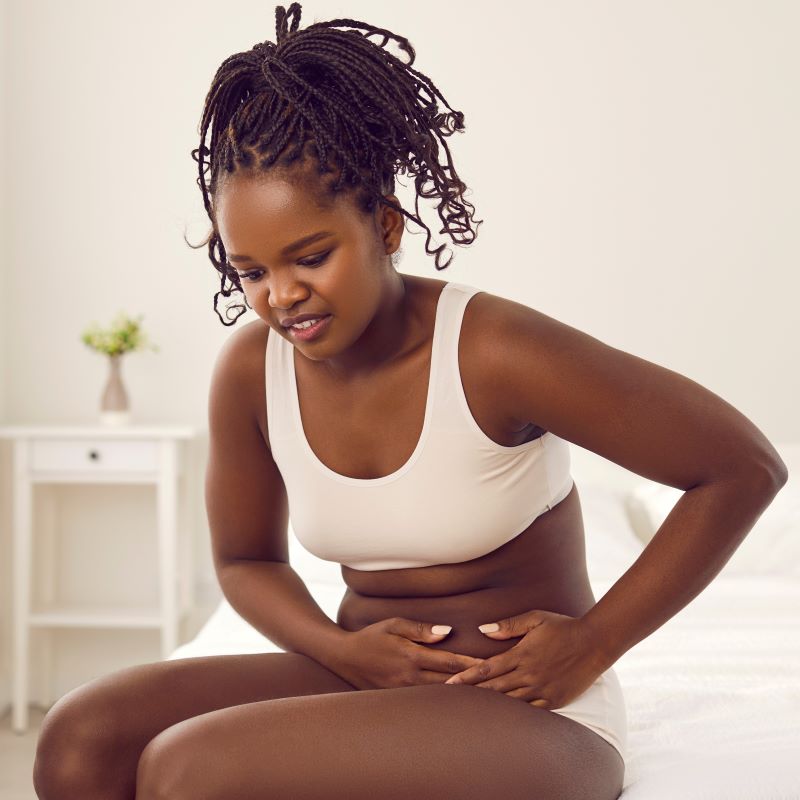
Endometriosis: What is Your Risk?

Endometriosis is a condition that can cause significant pain, heavy periods, and even infertility, yet many women don’t realize how common it truly is. At Cherokee Women’s Health Specialists, we believe that understanding your risk is a crucial step toward receiving the care and relief you deserve. So, just how common is endometriosis? Let’s take a closer look. How Many Women Have Endometriosis? It’s estimated that about 1 in 10 women of reproductive age, roughly 10%, are affected by endometriosis. That means millions of women in the U.S. alone live with this chronic condition. However, the true number may be even higher because: Many women are misdiagnosed or go undiagnosed for years. Symptoms can be mistaken for other conditions, like irritable bowel syndrome (IBS) or pelvic inflammatory disease (PID). Some women have few or no symptoms, making diagnosis less likely. Who is at Risk for Endometriosis? While any woman can develop endometriosis, certain factors may increase your risk: Family history – Having a mother, sister, or other close relative with endometriosis increases your chances of developing it yourself. Age – Endometriosis is most common in women in their 20s, 30s, and 40s, but it can begin as early as the teenage years. Starting your period at a young age Short menstrual cycles (less than 27 days) Heavy periods that last more than 7 days Never having given birth – Women who haven’t had children appear to be at higher risk, although endometriosis also affects many women who have had children. Health conditions – Certain conditions, such as autoimmune diseases, may be more common in women with endometriosis, though researchers are still studying these connections. Common Symptoms of Endometriosis Understanding your risk means knowing what to watch for. Common symptoms include: Painful periods (cramps that don’t improve with medication) Pain during sex Chronic pelvic pain Heavy menstrual bleeding Painful bowel movements or urination, especially during your period Difficulty getting pregnant Remember: Painful periods are not “just part of being a woman.”  If your pain interferes with daily life, it’s time to talk to a specialist. How is Endometriosis Diagnosed? Diagnosis often starts with a thorough discussion of your symptoms, followed by a pelvic exam and sometimes imaging tests. The only way to confirm endometriosis definitively is through laparoscopy, a minimally invasive surgical procedure that allows your doctor to see and sometimes remove endometrial tissue. Don’t Ignore Your Symptoms Many women live for years without a diagnosis, believing their pain is normal. But endometriosis is a real medical condition, and help is available. At Cherokee Women’s Health Specialists, our team of OB/GYNs has extensive experience diagnosing and treating endometriosis. We’re here to listen to your concerns and help you find relief so you can live life to the fullest. If you’re experiencing symptoms or want to better understand your risk for endometriosis, call us today at 770.720.7733 or schedule an appointment online. Early diagnosis and treatment can make a world of difference.

GYN Problems

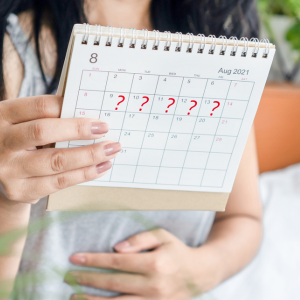
Heavy Periods After Stopping Birth Control

One unexpected side effect that often catches people off guard is heavy periods after discontinuing birth control. For many women, stopping birth control is a big decision, whether it’s to try for a baby, switch methods, or simply take a break from hormonal contraception. If you’ve recently stopped taking the pill, patch, or another hormonal contraceptive and noticed your periods are heavier than before, you’re not alone. This article explores why heavy periods happen after stopping birth control, what’s normal, and when you might need to see a doctor. Understanding How Birth Control Affects Your Cycle To understand why your periods might get heavier after stopping birth control, it helps to know how these methods work. Hormonal contraceptives—like the pill, patch, ring, or hormonal IUD—rely on synthetic hormones (usually estrogen and progesterone) to regulate your menstrual cycle. They suppress ovulation, thin the uterine lining, and often lighten or even stop your periods altogether. When you’re on birth control, your body adjusts to this artificial hormonal balance. The “period” you experience while on the pill, for example, isn’t a true period—it’s withdrawal bleeding caused by the drop in hormones during the placebo week. Because the uterine lining doesn’t build up as much under hormonal influence, bleeding tends to be lighter and more predictable. Once you stop birth control, your body needs time to recalibrate. Your natural hormonal cycle kicks back in, and for some women, this transition leads to heavier, longer, or more painful periods than they’re used to. But why does this happen? Let’s dive into the reasons. Why Are My Periods Heavier After Stopping Birth Control? 1. Hormonal Rebalancing: When you discontinue hormonal birth control, your ovaries start producing estrogen and progesterone again on their own. This shift can take a few weeks to several months, depending on your body and the type of contraception you were using. During this adjustment period, hormone levels may fluctuate, causing the uterine lining to thicken more than it did on birth control. A thicker lining means more tissue to shed during your period, which can result in heavier bleeding. 2. Return to Your Natural Cycle: If you started birth control as a teenager or young adult, the periods you had while on it might not reflect your body’s natural menstrual cycle. After years of hormonal suppression, your “real” periods might naturally be heavier or more intense than the controlled withdrawal bleeding you experienced. For some, this is a rude awakening—especially if they assumed birth control “fixed” their periods permanently. 3. Underlying Conditions Resurfacing: Birth control is often prescribed to manage conditions like polycystic ovary syndrome (PCOS), endometriosis, or uterine fibroids, all of which can cause heavy periods. While on contraception, these issues might have been masked by lighter bleeding or skipped periods. Once you stop, the symptoms of these conditions can return, leading to heavier flows. If your periods become unmanageable, it could be a sign to investigate further with a healthcare provider. 4. Post-Birth Control Shedding: Some women experience what’s informally called a “detox” period after stopping birth control. This isn’t a medical term, but it reflects the idea that your body may shed an extra-thick uterine lining as it clears out the effects of synthetic hormones. This shedding can make your first few periods after discontinuation heavier than usual. 5. Type of Birth Control Matters: The type of birth control you were using can also influence what happens when you stop. For example, progestin-only methods (like the mini-pill or hormonal IUD) might lead to different post-discontinuation effects than combined estrogen-progestin methods (like the pill or patch). Women who stop using a hormonal IUD, such as Mirena, sometimes report heavy bleeding as their uterine lining adjusts to the absence of localized hormones. How Long Will Heavy Periods Last After Stopping Birth Control? The good news is that for most women, heavy periods after stopping birth control are temporary. Your cycle should stabilize within 3 to 6 months as your hormones find their natural rhythm. However, this timeline varies. Some women notice changes for just one or two cycles, while others take longer—especially if they were on birth control for many years. If you’ve been off birth control for more than six months and your periods are still unusually heavy, it’s worth checking in with a doctor. Persistent heavy bleeding (known as menorrhagia) could signal an underlying issue that needs attention. What’s Normal vs. What’s Not It’s normal to experience some changes in your period after stopping birth control, including: Heavier bleeding than you had on contraception Longer periods (up to 7 days is still considered normal) More intense cramps or clotting Irregular cycles for a few months However, there are red flags that warrant a trip to the doctor: Soaking through a pad or tampon every hour for several hours Periods lasting longer than 7 days consistently Large blood clots (bigger than a quarter) Severe pain that interferes with daily life Signs of anemia (fatigue, dizziness, pale skin) from excessive blood loss These symptoms could indicate conditions like endometriosis, fibroids, or a hormonal imbalance that birth control was previously managing. Tips to Manage Heavy Periods After Stopping Birth Control If your periods are heavier but still within the realm of normal, there are ways to cope while your body adjusts: 1. Track Your Cycle: Use an app or journal to monitor your period’s length, flow, and symptoms. This can help you spot patterns and feel more in control during the transition. 2. Stock Up on Supplies: Switch to high-absorbency pads, tampons, or a menstrual cup to handle heavier flows. Period underwear is another great option for added protection. 3. Support Your Body: Eat iron-rich foods (like spinach, red meat, or lentils) to replenish what’s lost during heavy bleeding. Pair them with vitamin C (think oranges or bell peppers) to boost absorption and combat fatigue. 4. Try Natural Remedies: Some women find relief from cramps and heavy flow with heat therapy (like a heating pad) or herbal teas (such as ginger

GYN Problems

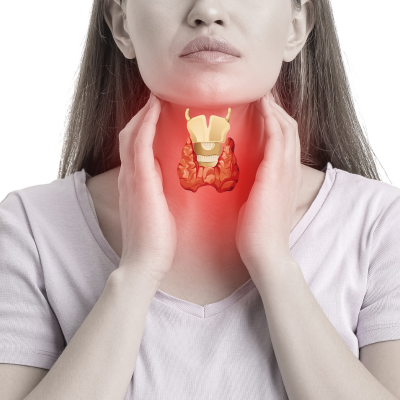
Thyroid Disorders and Heavy Periods: The Hormonal Link

For many women, thyroid disorders can lead to a cascade of symptoms, one of the most disruptive being heavy menstrual bleeding. Regarding women’s health, hormones are often at the center of the conversation. They regulate everything from mood to metabolism and play a starring role in the menstrual cycle. But what happens when the delicate balance of hormones goes awry? Understanding the connection between the thyroid gland and menstruation can empower women to seek the right diagnosis and treatment. We’ll explore how thyroid disorders influence heavy periods, the hormonal mechanisms at play, and what can be done about it. The Thyroid: A Hormonal Powerhouse The thyroid is a small, butterfly-shaped gland located in the neck, just below the Adam’s apple. Despite its modest size, it wields enormous influence over the body by producing hormones—primarily thyroxine (T4) and triiodothyronine (T3)—that regulate metabolism, heart rate, body temperature, and even reproductive health. The thyroid itself is controlled by the pituitary gland, which releases thyroid-stimulating hormone (TSH) to signal when more thyroid hormones are needed. When the thyroid functions normally, it keeps the body’s systems humming along smoothly. But when it malfunctions—either producing too much hormone (hyperthyroidism) or too little (hypothyroidism)—the ripple effects can be profound, especially for women’s reproductive health. Heavy Menstrual Bleeding: What It Looks Like Heavy menstrual bleeding, or menorrhagia, is more than just an inconvenience. It’s defined as excessive blood loss during a period that interferes with a woman’s quality of life. This might mean soaking through a pad or tampon every hour for several hours, passing large blood clots, or having periods that last longer than seven days. For some, it’s accompanied by severe cramps, fatigue, or even anemia due to significant blood loss. While heavy periods can stem from various causes—such as uterine fibroids, polyps, or endometriosis—hormonal imbalances are a common culprit. And that’s where the thyroid comes into play. Hypothyroidism and Heavy Periods Hypothyroidism occurs when the thyroid doesn’t produce enough hormones. Common causes include Hashimoto’s thyroiditis (an autoimmune condition), iodine deficiency, or certain medications. Symptoms often include fatigue, weight gain, cold intolerance, and dry skin, but its impact on menstruation can be just as significant. Here’s how it works: Thyroid hormones influence the production and regulation of sex hormones like estrogen and progesterone, which orchestrate the menstrual cycle. In hypothyroidism, low thyroid hormone levels can disrupt the hypothalamic-pituitary-ovarian axis—the communication network between the brain and reproductive organs. This disruption often leads to irregular ovulation or anovulation (no ovulation at all). Without ovulation, progesterone levels drop because this hormone is primarily produced by the corpus luteum, a temporary structure formed in the ovary after an egg is released. Progesterone’s job is to stabilize the uterine lining (endometrium) during the second half of the menstrual cycle. When progesterone is low, the endometrium can grow excessively under the influence of unopposed estrogen, leading to a thicker, more vascular lining. When it’s time to shed this lining during menstruation, the result is heavier, prolonged bleeding. Additionally, hypothyroidism can impair blood clotting by reducing levels of clotting factors like factor VIII and von Willebrand factor. This means that even normal menstrual shedding can become excessive because the blood doesn’t clot as efficiently. Hyperthyroidism and Menstrual Chaos On the flip side, hyperthyroidism—when the thyroid produces too much hormone—can also wreak havoc on periods, though the effects differ. Conditions like Graves’ disease, an autoimmune disorder, are common causes. Symptoms include weight loss, anxiety, heat intolerance, and a racing heart, but menstrual irregularities are also frequent. In hyperthyroidism, the excess thyroid hormones can overstimulate the reproductive system, leading to increased estrogen production and metabolism. This can cause irregular cycles, lighter periods, or even amenorrhea (absence of periods) in some cases. However, for some women, the hormonal chaos can paradoxically result in heavy bleeding. The overstimulation can disrupt the balance between estrogen and progesterone, leading to an unstable uterine lining that sheds unpredictably and excessively. The Broader Hormonal Web The thyroid doesn’t operate in isolation—it’s part of a complex hormonal network. For instance, thyroid dysfunction can affect the adrenal glands, which produce cortisol, a stress hormone that also influences reproductive health. Chronic stress from untreated thyroid issues can further exacerbate hormonal imbalances, creating a vicious cycle. Moreover, thyroid disorders often coexist with other conditions that impact menstruation, such as polycystic ovary syndrome (PCOS). Both hypothyroidism and PCOS can involve insulin resistance and elevated estrogen, compounding the risk of heavy bleeding. This overlap highlights the importance of a thorough medical evaluation when symptoms arise. Diagnosing the Connection For women experiencing heavy periods, pinpointing the thyroid’s role requires detective work. Doctors typically start with a blood test to measure TSH levels. High TSH suggests hypothyroidism (the pituitary is working overtime to stimulate an underactive thyroid), while low TSH points to hyperthyroidism (the thyroid is overproducing, suppressing TSH). Follow-up tests for T3, T4, and thyroid antibodies (in cases of autoimmune disease) provide a fuller picture. Menstrual history is also key. A doctor might ask about cycle length, bleeding duration, and associated symptoms like fatigue or hair loss. Imaging, such as an ultrasound, may rule out structural causes like fibroids, while a biopsy could check for endometrial abnormalities. Treatment Options: Restoring Balance Treating thyroid-related heavy bleeding involves addressing the root cause—restoring thyroid function—and, if needed, managing menstrual symptoms directly. For hypothyroidism, levothyroxine, a synthetic thyroid hormone, is the gold standard. As thyroid levels normalize, many women find their periods become lighter and more regular. It can take weeks to months to see full effects, so patience is key. Iron supplements may also be prescribed if anemia develops from blood loss. In hyperthyroidism, treatment might involve antithyroid drugs (like methimazole), radioactive iodine, or surgery, depending on the severity. Beta-blockers can manage symptoms like rapid heart rate while the thyroid stabilizes. As hormone levels settle, menstrual patterns often improve. For persistent heavy bleeding, hormonal therapies like birth control pills, progesterone-releasing IUDs, or tranexamic acid (a clotting enhancer) can help, regardless of thyroid status. In severe cases, procedures like endometrial ablation

GYN Problems

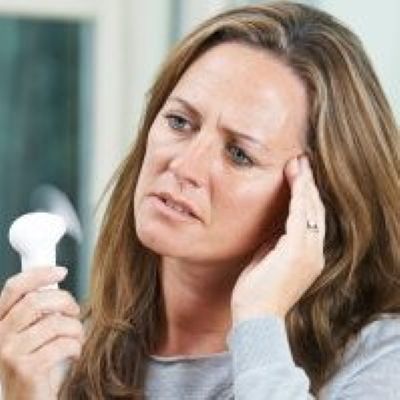
Heavy Periods in Your 40s: Perimenopause or More?

Could your heavy periods be perimenopause, or something more? If you’re in your 40s and noticing that your periods are heavier than usual, you’re not alone. Many women experience changes in their menstrual cycles as they approach midlife, often chalking it up to “just getting older.” But when soaking through pads or tampons becomes a regular ordeal, or when bleeding disrupts your daily life, it’s natural to wonder: Is this perimenopause, or could it be something else? Let’s dive into what heavy menstrual bleeding in your 40s might mean, explore the role of perimenopause, and highlight other potential causes that deserve attention. What Counts as “Heavy” Bleeding? Before we get into causes, it’s worth defining what “heavy menstrual bleeding” actually means. Medically known as menorrhagia, it’s more than just a nuisance—it’s bleeding that’s excessive or prolonged. Signs include soaking through a pad or tampon every hour for several hours, passing large blood clots (think quarter-sized or bigger), needing to double up on protection, or bleeding for more than seven days. If you’re waking up at night to change pads or finding it hard to leave the house during your period, that’s a signal to take a closer look. In your 40s, your body is likely in a transitional phase, and heavy bleeding can stem from hormonal shifts or other underlying issues. Let’s break it down. Perimenopause: The Usual Suspect Perimenopause—the years leading up to menopause—typically begins in a woman’s 40s (though it can start earlier or later). It’s a time when your ovaries gradually produce less estrogen, and ovulation becomes less predictable. This hormonal rollercoaster can wreak havoc on your periods, making them irregular, heavier, or both. Why does this happen? In a normal cycle, estrogen builds up the uterine lining, and progesterone stabilizes it after ovulation. During perimenopause, ovulation might not occur every month. Without progesterone to balance things out, the lining can grow thicker than usual, leading to heavier shedding when your period finally arrives. It’s like the body’s saying, “Oops, time to clear out the backlog!” The result? Flood-like periods, sometimes with clots, that can feel overwhelming. Other perimenopause clues might accompany the bleeding: hot flashes, night sweats, mood swings, or sleep trouble. But not everyone gets the full symptom package, so heavy bleeding alone could still point to this phase. The average age of menopause (when periods stop for good) is 51, so if you’re in your early or mid-40s, perimenopause is a strong contender. Beyond Perimenopause: Other Possible Culprits While perimenopause is a common explanation, it’s not the only one. Heavy bleeding can signal other conditions, some benign and some more serious. Here’s what else might be at play: Uterine Fibroids These are noncancerous growths in or around the uterus, and they’re incredibly common—up to 80% of women develop them by age 50. Uterine fibroids can make periods heavier, longer, or more painful, especially if they distort the uterine cavity or press on the lining. They’re more likely in your 40s because estrogen fuels their growth, and perimenopause’s hormonal fluctuations can exacerbate them. Symptoms like pelvic pressure or frequent urination might hint at fibroids, though some women have no signs beyond heavy bleeding. Endometrial Polyps Think of these as little overgrowths of the uterine lining. They’re usually benign but can cause heavy or irregular bleeding by interfering with the uterus’s normal shedding process. Like fibroids, they’re linked to estrogen excess, making them more common in perimenopause. Adenomyosis This condition happens when the uterine lining grows into the muscular wall of the uterus. It can lead to intense cramps and heavy bleeding, often described as a “boggy” or enlarged uterus. Adenomyosis tends to peak in women in their 40s and 50s and can overlap with perimenopause, complicating the picture. Hormonal Imbalances Beyond perimenopause, other hormonal issues—like thyroid problems or polycystic ovary syndrome (PCOS)—can disrupt your cycle. Hypothyroidism (an underactive thyroid) is sneaky and more common with age, bringing heavy periods alongside fatigue and weight gain. PCOS, though often diagnosed earlier, can persist into the 40s, causing irregular, heavy bleeds due to erratic ovulation. Bleeding Disorders Less common but worth considering are conditions like von Willebrand disease, a genetic disorder affecting blood clotting. If you’ve always had heavy periods, bruise easily, or bleed excessively after surgery, this could be a factor. It’s often overlooked until adulthood. Endometrial Hyperplasia or Cancer In rare cases, heavy bleeding signals a thickened uterine lining (hyperplasia), which can be a precursor to endometrial cancer. This risk rises in your 40s and beyond, especially if you’re overweight, have diabetes, or rarely ovulate—all of which boost estrogen exposure. Bleeding between periods or after menopause is a red flag, but heavy flows alone warrant a check if they’re persistent. When to See an OB/GYN Heavy bleeding isn’t just inconvenient—it can lead to anemia (low iron levels), leaving you exhausted, dizzy, or short of breath. If your periods are disrupting your life, don’t brush it off as “normal aging.” Track your symptoms—how long you bleed, how many pads or tampons you use, and any clots or pain—and bring that info to a healthcare provider. They might recommend: Blood tests to check for anemia, thyroid issues, or clotting problems. Ultrasound to spot fibroids, polyps, or adenomyosis. Endometrial biopsy to rule out hyperplasia or cancer, especially if you have risk factors. Hysteroscopy to peek inside the uterus for abnormalities. Managing Heavy Bleeding Treatment depends on the cause and your plans (like whether you want kids). For perimenopause-related bleeding, hormonal options—like birth control pills, a progesterone IUD (e.g., Mirena), or cyclic progesterone—can lighten periods by regulating the lining. Non-hormonal choices, like tranexamic acid, reduce bleeding during your period without affecting hormones. If fibroids or polyps are the issue, they might be removed surgically. Adenomyosis might call for similar approaches or, in severe cases, a hysterectomy (uterus removal). For hyperplasia or cancer, treatment escalates based on severity, from hormones to surgery. Lifestyle tweaks—managing stress, maintaining a healthy weight—can also help, especially if hormones are out of whack. We Can

© Copyright 2024 Cherokee Women’s Health Specialists
Scroll to Top