
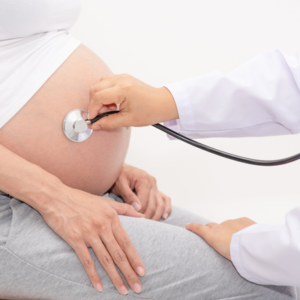
Feeling tired during pregnancy is common, but extreme fatigue may signal something more. Anemia in pregnancy is one of the most frequently diagnosed medical conditions among expectant mothers. When left untreated, it can affect both maternal health and fetal development. Understanding the signs and seeking early treatment helps ensure a safer pregnancy.
At Cherokee Women’s Health, routine prenatal care includes screening for anemia so concerns can be addressed promptly.
What Is Anemia in Pregnancy?
Anemia occurs when the body does not have enough healthy red blood cells to carry adequate oxygen to tissues. During pregnancy, blood volume increases significantly, which can dilute red blood cells and make iron levels drop. The most common type is iron-deficiency anemia, though folate deficiency and vitamin B12 deficiency can also occur.
Why Pregnancy Increases Anemia Risk
Pregnancy increases iron requirements because the body must support:
- The growing baby
- The placenta
- Increased maternal blood volume
Women who begin pregnancy with low iron stores, carry multiples, experience frequent pregnancies, or follow restrictive diets may face a higher risk.
Symptoms to Watch For
Mild anemia may not cause obvious symptoms. Because many of these symptoms overlap with normal pregnancy changes, lab testing is essential for accurate diagnosis. As levels decline, you may notice:
- Extreme fatigue
- Weakness
- Shortness of breath
- Dizziness
- Pale skin
- Headaches
- Rapid heartbeat
How Anemia Affects Pregnancy
Severe anemia can also affect maternal heart function. Early identification reduces these risks significantly.Untreated anemia can increase the risk of:
- Preterm delivery
- Low birth weight
- Postpartum depression
- Increased need for blood transfusion after delivery
Screening and Diagnosis
Prenatal blood work routinely checks hemoglobin and hematocrit levels. If anemia is detected, additional tests may evaluate iron levels and identify the specific cause. Monitoring continues throughout pregnancy to ensure levels improve with treatment.
Treatment Options
Treatment depends on severity and underlying cause.
For iron-deficiency anemia, recommendations may include:
- Oral iron supplements
- Increased dietary iron intake
- Vitamin C to enhance absorption
- Avoiding calcium at the same time as iron supplements
Iron-rich foods include:
- Lean red meat
- Spinach
- Lentils
- Beans
- Fortified cereals
In cases where oral supplements are not tolerated or levels remain low, intravenous iron therapy may be recommended.
Managing Side Effects of Iron
Iron supplements can cause constipation or nausea. Strategies to improve tolerance include:
- Taking iron with food if approved by your provider
- Starting with a lower dose and gradually increasing
- Increasing fiber and fluid intake
- Using stool softeners if needed
Discuss any side effects with your obstetric provider before stopping supplementation.
Prevention Strategies
Preventing anemia begins before conception whenever possible. Women planning pregnancy may benefit from:
- Preconception lab work
- Prenatal vitamins containing iron
- Balanced nutrition
- Spacing pregnancies appropriately
- Routine prenatal visits allow providers to monitor trends and intervene early.
When to Contact Your Provider
Prompt treatment protects both you and your baby. Seek evaluation if you experience:
- Worsening fatigue
- Chest pain
- Severe shortness of breath
- Lightheadedness that interferes with daily activities
Supporting a Healthy Pregnancy
Anemia in pregnancy is common but highly treatable. With proper screening, nutrition, and supplementation when needed, most women restore healthy iron levels and continue their pregnancies safely. Open communication with your obstetric provider ensures that symptoms are addressed early and that you receive personalized guidance for optimal maternal and fetal health.
We’re Here to Help You
Please call us today at 770.720.7733 or simply schedule an appointment online with one of our providers.